
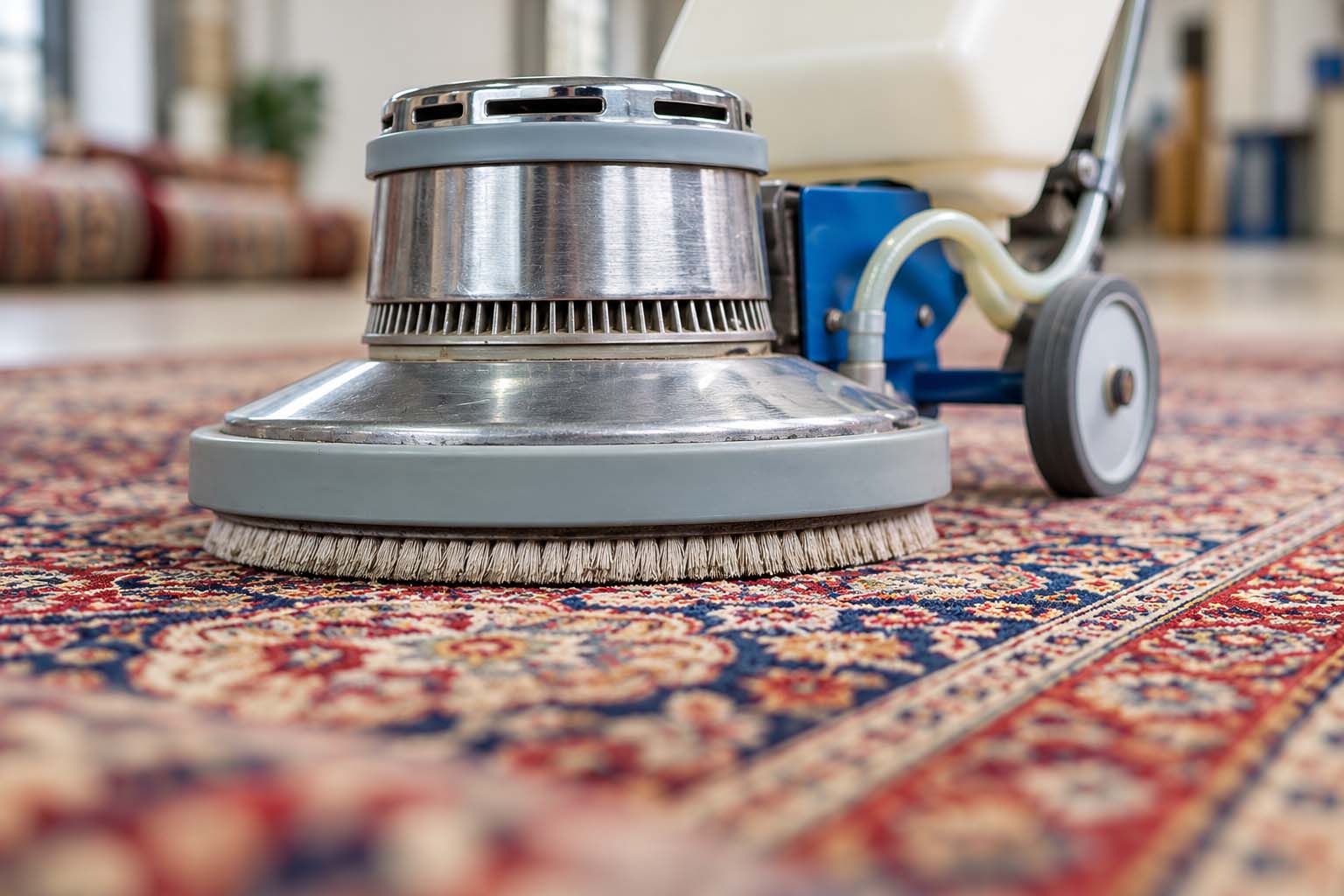
Oriental Rug Cleaning in Albany, NY: What Fine Rugs Really Need
An Oriental or Persian rug can look surprisingly clean even when a significant amount of soil is hiding below the surface. Fine dust, tracked-in grit, pet dander, food particles, and everyday household soil gradually settle through the pile and into the rug's foundation. In homes throughout Albany and the Capital District, seasonal dirt, moisture, road salt, pets, and everyday foot traffic can all contribute to that buildup.
For owners of Persian, Oriental, antique, handmade, wool, and silk rugs, oriental rug cleaning in Albany, NY should not be approached the same way as ordinary wall-to-wall carpet cleaning. Fine rugs require textile care that takes fiber type, dyes, construction, age, and condition into consideration before cleaning begins.
A well-made rug can remain part of a home for decades and, in many cases, generations. Professional cleaning is about more than making the surface look brighter. Proper rug washing removes abrasive soil from deep within the rug, addresses contaminants and odors, and helps protect the craftsmanship that makes the rug worth caring for.
Why Fine Rugs Need More Than Surface Cleaning
Handmade and fine area rugs hold soil differently than wall-to-wall carpet. Their dense pile and woven foundations can trap fine dirt, sand, pet dander, pollen, food particles, and other debris far below the surface.
Regular vacuuming is one of the best things you can do for a rug between professional cleanings, but even good household vacuuming cannot remove everything that settles deep into the foundation.
That hidden grit can become abrasive. As people walk across the rug, particles trapped between the fibers can contribute to gradual wear. Over time, heavily traveled areas may begin to look dull, flattened, or uneven. Fringe and edges may also begin showing signs of wear before the center of the rug does.
Fine rugs also require careful evaluation before washing. A wool Oriental rug may need a different approach than a silk rug, tufted rug, antique rug, or modern synthetic area rug. Dye stability, previous repairs, fringe condition, backing, stains, and existing damage can all influence the safest cleaning method.
That is why Hoffman Cleaning performs its fine and Oriental rug cleaning at a dedicated rug-cleaning facility rather than treating the rug like installed carpet inside your home.
What Professional Oriental Rug Cleaning Should Include
Professional rug care should begin with the rug itself, not with a cleaning machine or detergent. Before cleaning, the rug needs to be evaluated so the cleaning process can be matched to its construction, fibers, dyes, condition, and specific areas of concern.
Careful Inspection
Inspection can identify stains, pet contamination, weakened fringe, worn edges, dye concerns, moth activity, previous repairs, and other conditions that may affect cleaning.
This is especially important with antique, semi-antique, vintage, handmade, silk, and naturally dyed rugs. Two rugs that look similar from across the room may require very different handling once their fibers and construction are examined closely.
Removal of Embedded Dry Soil
A tremendous amount of dry particulate soil can settle into an area rug before the rug ever appears visibly dirty. Vacuuming removes surface debris, but fine particles can work deeper into the pile and foundation over time.
Removing as much of this dry soil as possible is an important part of professional rug cleaning. Once that embedded grit has been addressed, the rug can be washed more effectively.
Fiber-Appropriate Rug Washing
Hoffman Cleaning specializes in full-immersion hand washing for fine, domestic, and Oriental rugs. The specific cleaning approach and products can be selected according to the needs of the rug.
Professional washing allows soil and residues to be flushed from areas that cannot be reached through surface cleaning alone. It can also help restore the softer feel and visual depth that become muted as soil accumulates.
This off-site approach gives trained rug care specialists greater control over washing, rinsing, handling, and drying than would be possible if the rug were cleaned in place on a homeowner's floor.
Proper Rinsing and Controlled Drying
Getting a rug wet is only one part of the process. Removing cleaning residues and drying the rug properly are equally important.
A rug that remains damp for too long can develop odor and other moisture-related problems. Certain rugs also require particular attention to dye stability, shape, texture, and fringe during the drying process.
Cleaning at a dedicated facility allows the rug to be thoroughly washed and dried under conditions designed specifically for area rugs rather than relying on the conditions inside a home.
Pet Urine, Stains, and Odors Require More Than Spot Cleaning
Pet accidents are one of the most common reasons homeowners contact a professional rug cleaner. The visible stain on top of the rug may represent only a small portion of the actual contamination.
Urine can travel through the pile and into the rug's foundation. Depending on the amount and frequency of contamination, it may also spread beyond the area that appears stained on the surface.
This is one reason Hoffman Cleaning explains that an area rug cannot simply be spot cleaned when significant odor contamination is present. The entire rug may need to be professionally washed so contamination can be addressed throughout the textile rather than treating only what can be seen.
Results can depend on the rug's fibers, dyes, age, the length of time the contamination has been present, and products previously applied to the rug. Some old stains or permanent dye changes may remain even after the contamination itself has been treated.
Store-bought spot cleaners should also be used with extreme caution on valuable rugs. A product that works well on synthetic carpet may affect wool, silk, natural dyes, or other rug materials very differently.
When Rug Cleaning Should Be Combined With Repair
Professional cleaning can sometimes reveal wear or damage that was difficult to see while the rug was soiled. Loose fringe, worn edges, small tears, holes, weak areas, or previous repairs may become more noticeable once dirt has been removed.
Addressing these problems early can help keep a relatively small repair from becoming a larger structural problem.
Fringe deserves particular attention because, on many handmade rugs, it is connected to the rug's foundation rather than being decorative trim added afterward. Aggressive vacuuming, pulling, or trimming loose fringe can make the problem worse.
Hoffman Cleaning provides fine and Oriental rug repair for concerns including fringe damage, fraying edges, tears, holes, moth damage, worn pile, damaged foundations, and other types of deterioration.
Watch for Moth and Carpet Beetle Activity
Natural-fiber rugs can also attract clothes moths and carpet beetles, particularly in quiet areas that receive little traffic or vacuuming. Damage is often discovered underneath furniture, along edges, or in rugs that have been stored for extended periods.
Signs can include thinning or bare areas, loose fibers, webbing, small casings, or unusual debris near the rug.
If you suspect insect activity, professional inspection is a good idea before moving or storing the rug with other textiles. Hoffman Cleaning also offers moth protection for area rugs and can evaluate rugs that may already show signs of activity or damage.
How Often Should an Oriental or Fine Rug Be Professionally Cleaned?
There is no cleaning schedule that fits every rug or every household. A decorative rug in a lightly used room has very different needs than a living room rug shared by children, pets, and frequent visitors.
Hoffman Cleaning generally recommends professional full-immersion hand washing every 18 months to 3 years, depending on the amount of traffic and use the rug receives.
A rug may need attention sooner when it is exposed to:
- Heavy daily foot traffic
- Pets or repeated pet accidents
- Food and beverage spills
- Smoke or persistent odors
- Water or excessive moisture
- Heavy dust and tracked-in soil
- Moth or carpet beetle activity
Appearance should not be the only deciding factor. Consider professional cleaning when colors look muted, the pile feels gritty or matted, the rug has developed an odor, or noticeable dust and soil are accumulating in the foundation.
How to Care for Your Rug Between Professional Cleanings
Good maintenance between professional washes can reduce unnecessary wear and prevent dry soil from accumulating as quickly.
Vacuum regularly using a technique appropriate for the rug. Be especially careful around fringe, older fibers, and delicate rugs. Aggressive rotating brushes or beater bars can damage some rugs, particularly around the ends and edges.
Rotating the rug periodically can also help distribute foot traffic and sunlight more evenly. A quality rug pad can provide additional support, reduce movement, and help protect both the rug and the flooring underneath it.
When spills occur, blot them promptly with a clean white absorbent towel rather than scrubbing. Avoid experimenting with aggressive household cleaning products on a valuable handmade rug. When in doubt, contact a rug care specialist before applying anything.
A Better Way to Request a Rug Cleaning Estimate
You do not need to know whether your rug is Persian, Turkish, wool, silk, handmade, machine-made, or something else before contacting Hoffman Cleaning.
A few pieces of information can still make the initial conversation easier. Measure the approximate length and width of the rug and take photographs showing the entire rug as well as any stains, damaged fringe, worn edges, pet accidents, or other concerns.
Be sure to mention known issues such as pet urine, water exposure, smoke, moth activity, previous cleaning attempts, or existing repairs. The more information the rug specialist has, the easier it is to understand what the rug may need.
Professional Oriental Rug Cleaning for Albany and the Capital District
Hoffman Cleaning provides professional rug washing for homeowners throughout Albany, Schenectady, Rensselaer, Saratoga, Latham, Clifton Park, Troy, and surrounding Capital District communities.
The company cleans a wide range of rugs, including Oriental, Persian, wool, silk, antique, semi-antique, vintage, synthetic, hooked, tufted, flat-weave, braided, and machine-made rugs. Hoffman Cleaning is also a member of the Association of Rug Care Specialists (ARCS), reflecting its commitment to specialized education and professional rug care.
For added convenience, rug pickup and delivery are available throughout the Capital District. Rugs are brought to Hoffman's Latham facility, where a trained Rug Care Specialist can inspect, wash, dry, and prepare them for return.
Your rug may have already been part of your home for many years. Giving it professional attention before embedded soil, odor, or wear becomes more serious can help preserve its appearance, comfort, and craftsmanship for the years ahead.
Does your Oriental, Persian, or area rug need professional attention? Contact Hoffman Cleaning or call (518) 451-9410 to request an estimate or schedule rug pickup in the Albany and Capital District area.