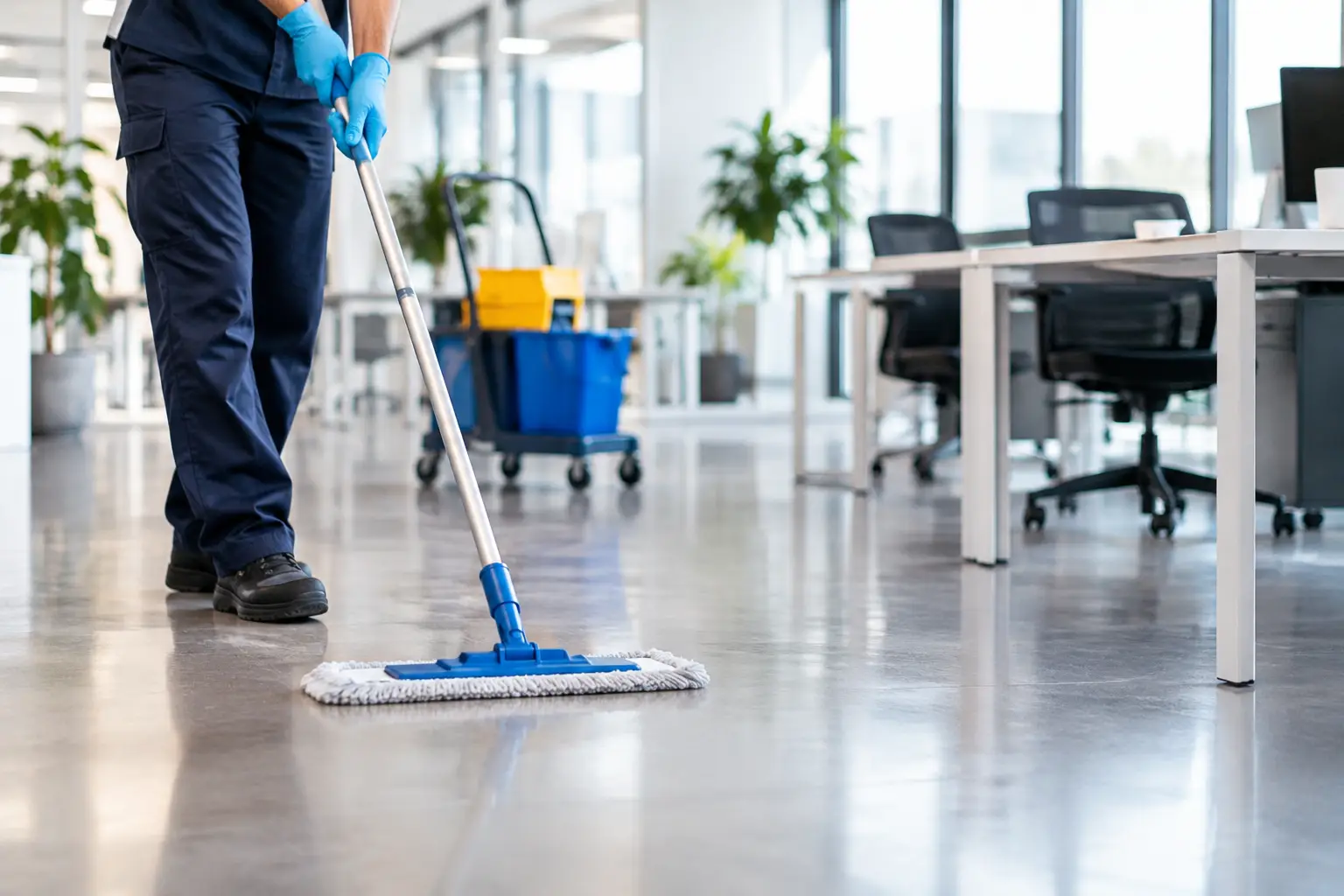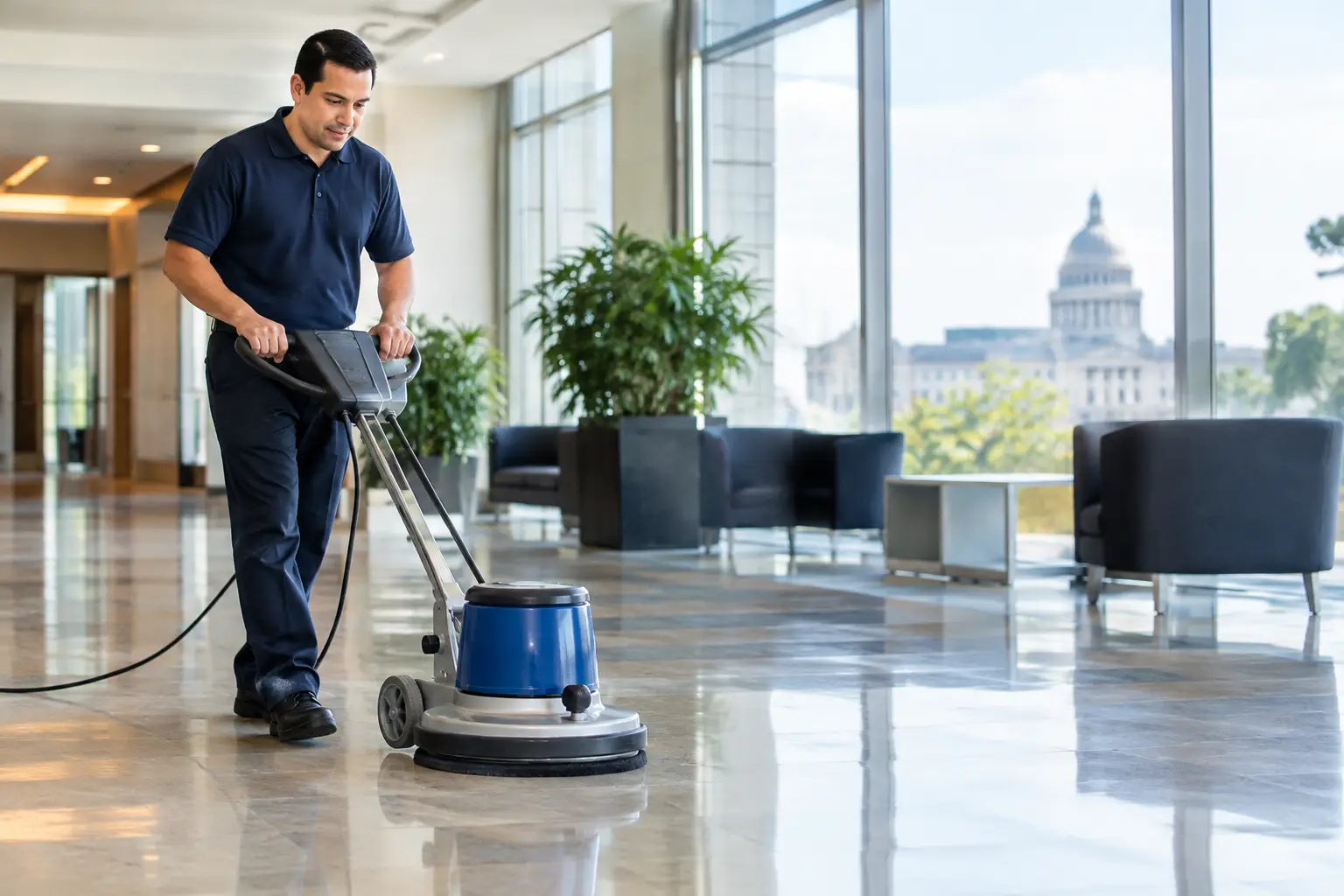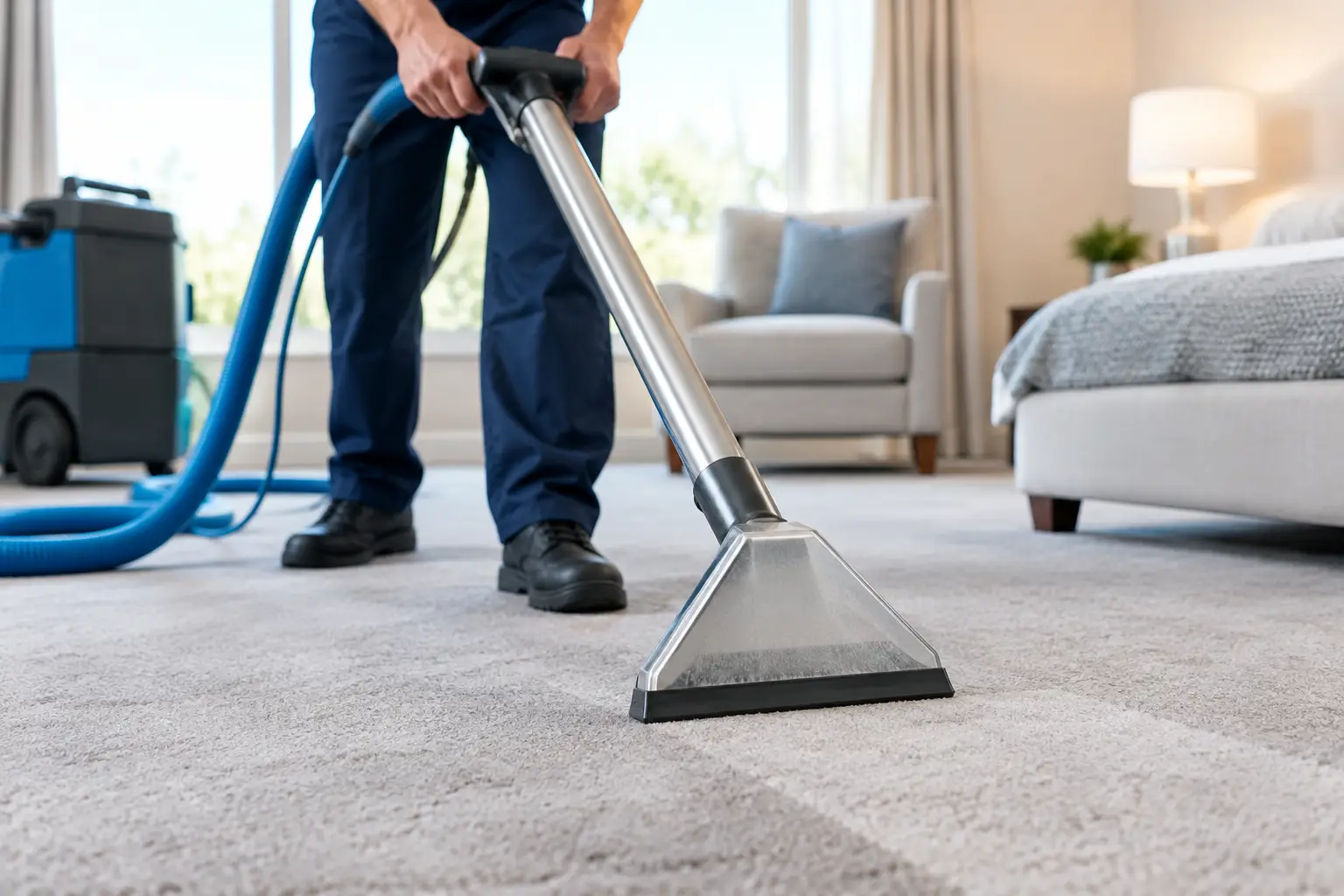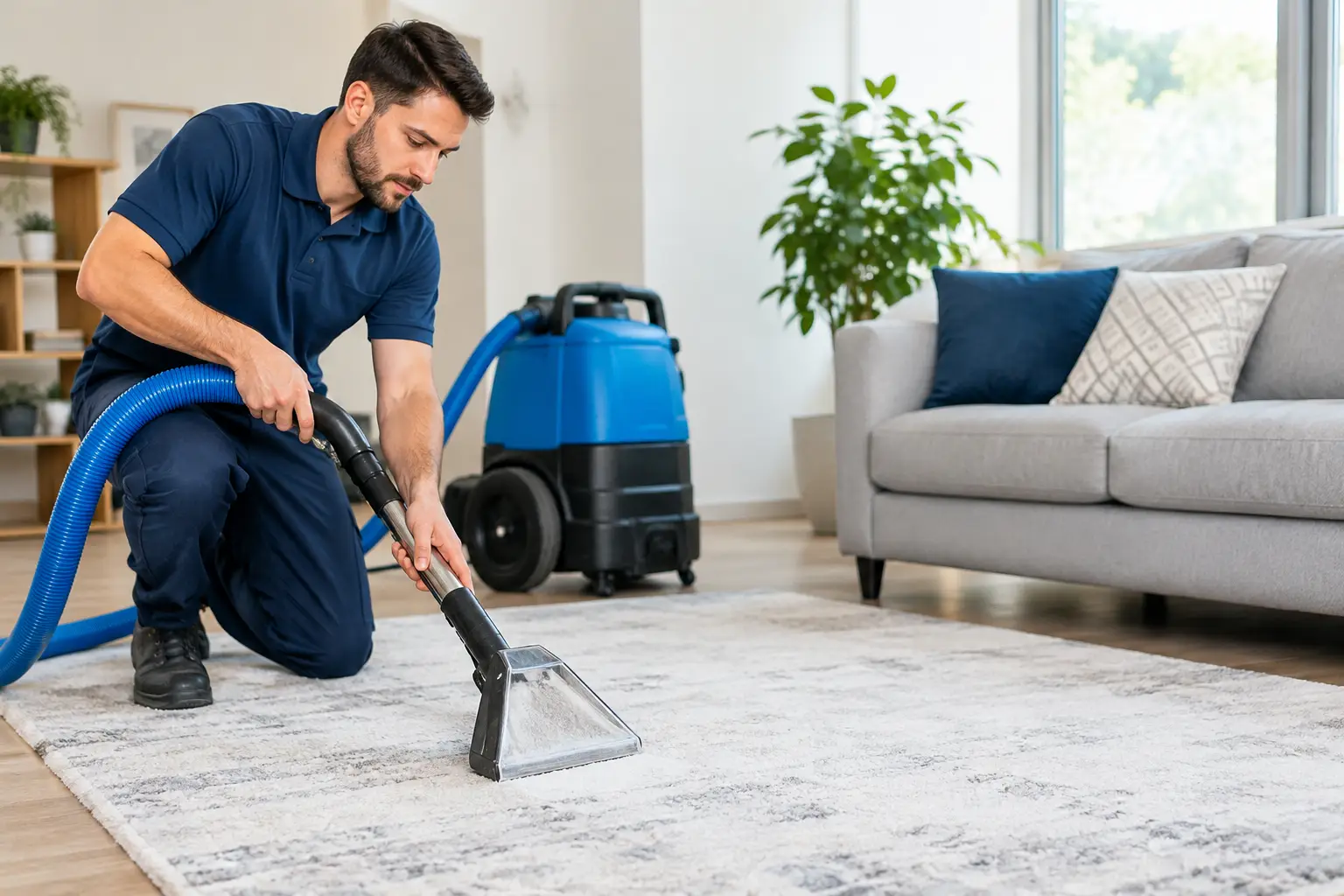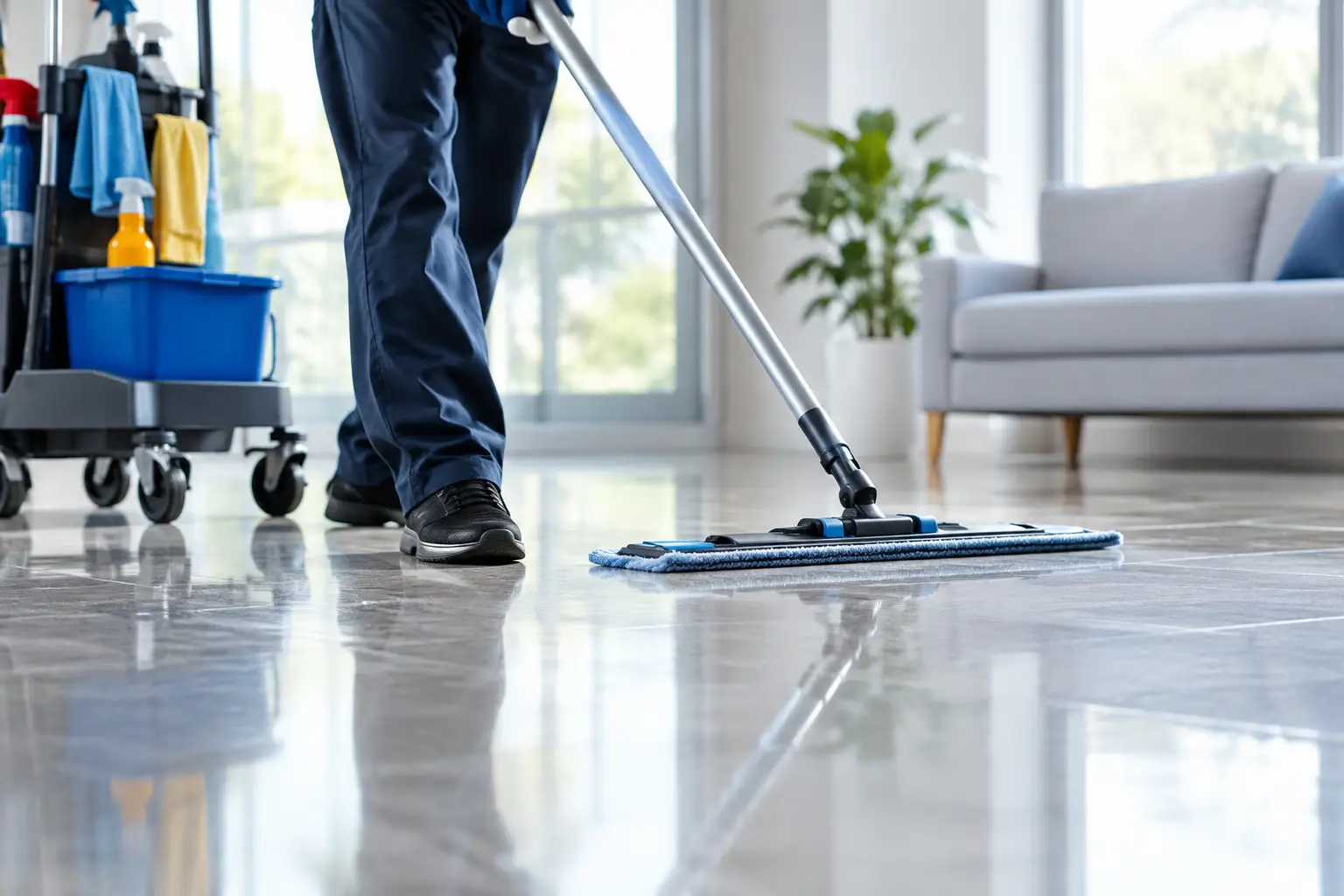
A floor can look clean at first glance and still be carrying the wear that shortens its life: gritty soil in carpet fibers, dull traffic paths on hardwood, darkened grout lines, or residue left behind by the wrong cleaner. Consistent floor maintenance addresses those problems before they become costly restoration issues. For homes and businesses across the Capital Region, it is one of the most practical ways to protect an investment that gets used every day.
The right plan is not the same for every surface. A family room carpet with pets needs different care than a marble lobby, a hardwood dining room, or tile in a busy restroom. What they have in common is this: regular attention keeps soil from becoming damage.
Why floor maintenance is more than a cleaning task
Foot traffic brings in abrasive grit, road salt, moisture, pollen, and oils from outside. In upstate New York, winter can be especially hard on floors. Salt and slush can leave white residue, scratch hard surfaces, and work deep into carpet backing. During warmer months, pollen, mud, and tracked-in debris create a different set of problems.
Vacuuming and mopping are essential, but they have limits. Standard daily cleaning removes loose surface soil. It does not always remove embedded grit, sticky residue, oils, or the buildup that makes a floor appear dull even after it has been cleaned. Professional service fills that gap with methods designed for the material underfoot.
There is also a presentation issue. In a home, worn floors can make an otherwise tidy room feel tired. In a business, stained carpet, dirty grout, or neglected entryways can affect how customers, tenants, and employees view the entire property. Regular care helps maintain a cleaner, more welcoming space without waiting until the floor looks beyond saving.
Build a floor maintenance routine around the surface
A good routine begins with identifying the flooring material, its finish, and how much traffic it receives. Cleaning too aggressively can be just as harmful as cleaning too rarely. The goal is to remove soil effectively without leaving residue, adding excess moisture, or damaging protective finishes.
Carpet: remove grit before it wears the fibers
Carpet acts like a filter, holding dust, allergens, pet dander, and tracked-in soil below the surface. Frequent vacuuming is the foundation of carpet care, especially near exterior doors, hallways, stairs, and areas where pets spend time. High-traffic sections often need attention several times a week.
Spills should be addressed promptly, but avoid scrubbing aggressively. Scrubbing can push a stain deeper and distort carpet fibers. Blot with a clean white towel, working from the outside of the spill toward the center. Be cautious with store-bought spot removers, since some leave behind residue that attracts dirt or changes the carpet’s color.
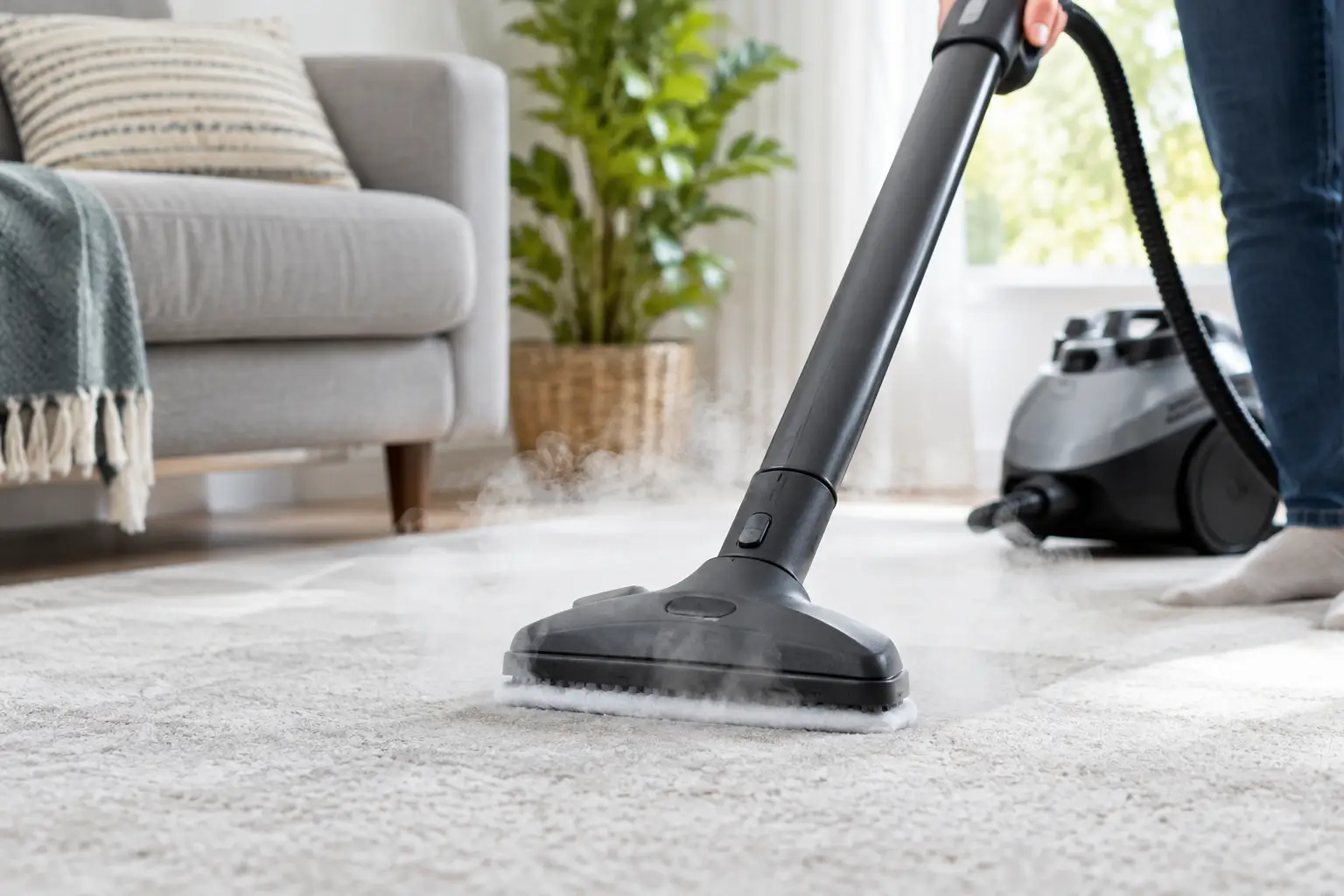
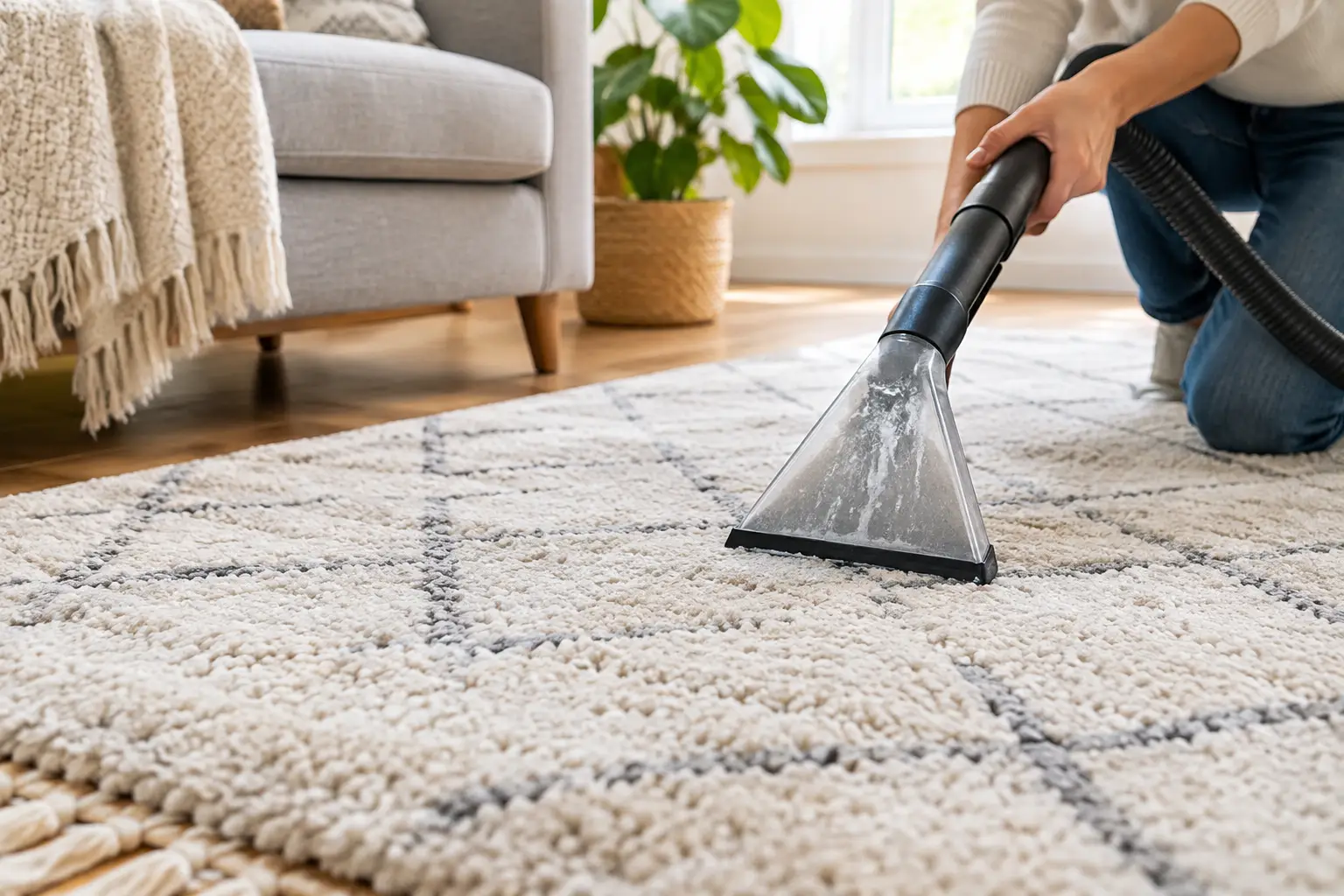
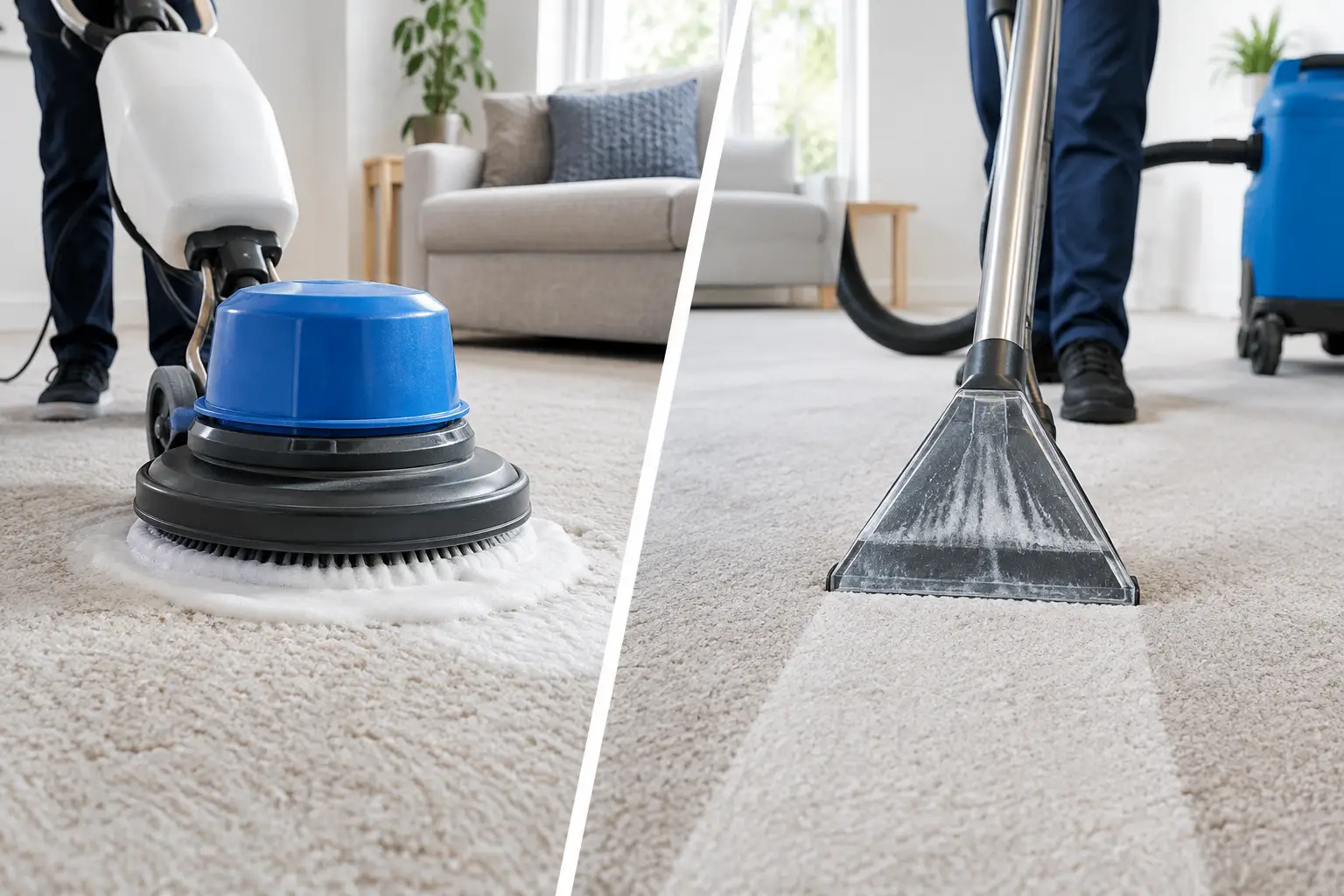
Professional carpet cleaning is valuable when traffic lanes start looking darker, spots return after home treatment, or the carpet feels less fresh despite regular vacuuming. The exact schedule depends on the household. A low-traffic home may need professional cleaning less often than a home with children, pets, or frequent guests. Commercial carpet in busy customer-facing areas usually requires a more frequent schedule.
Hardwood: control moisture and protect the finish
Hardwood floors add warmth and value, but they do not respond well to standing water, harsh chemicals, or abrasive dirt. Use a dry microfiber mop or a vacuum made for hard floors to collect grit before it scratches the finish. Place mats at entryways and use felt pads beneath furniture that moves often.
For routine cleaning, use only products appropriate for the floor’s finish and follow label directions carefully. Too much liquid can seep between boards and cause swelling or cupping. Oil soaps, waxes, and all-purpose cleaners may create buildup or leave a film that makes future professional cleaning more difficult.
When hardwood loses its even appearance, develops residue, or shows soil that routine cleaning cannot remove, professional hardwood floor cleaning can refresh the surface without the disruption of a full refinishing project. Deep scratches, worn-through finish, or water damage may require a different solution, so an honest assessment matters.
Tile and grout: focus on the lines between the tile
Tile itself is often durable, but grout is porous and collects dirt quickly. Kitchen floors, entryways, showers, and commercial restrooms are common trouble spots. Routine sweeping and mopping help, but dirty mop water can settle into grout lines and gradually make them look darker.
Avoid using overly harsh chemicals or acidic products unless they are specifically approved for the tile and grout. The wrong solution can damage grout, etch natural stone tile, or leave behind a haze. A professional tile and grout cleaning can remove embedded soil and restore a more even appearance when household cleaning no longer delivers visible results.
After cleaning, appropriate grout protection may help reduce future staining. It is not a substitute for regular care, but it can make everyday maintenance easier in areas that see frequent spills or wet shoes.
Natural stone and marble: use a lighter touch
Stone floors require more caution than many homeowners realize. Marble, travertine, limestone, and other natural stone surfaces can react to common acidic products such as vinegar, citrus cleaners, and some bathroom cleaners. These products may etch the surface, leaving dull marks that are not simply dirt.
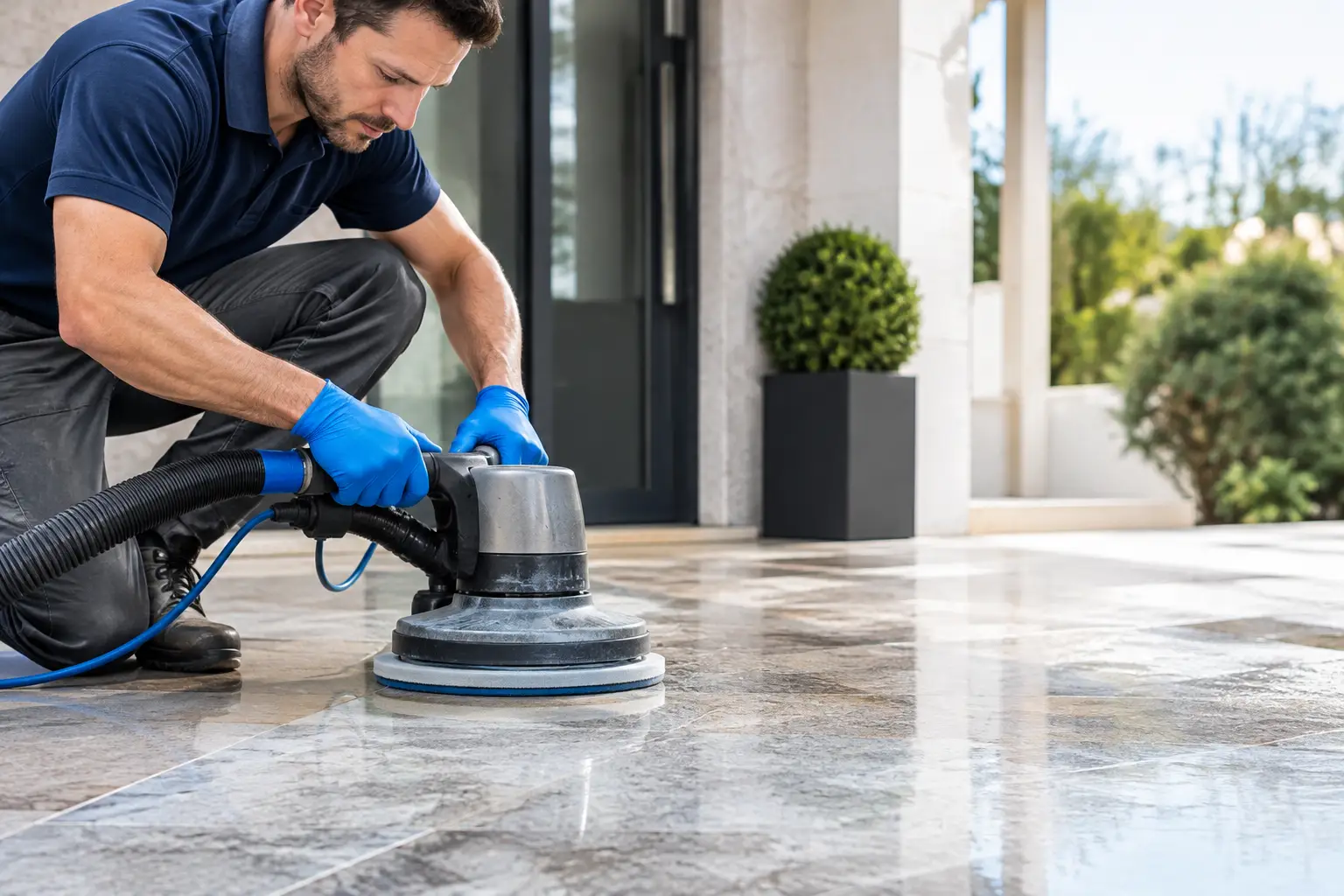
Use pH-appropriate cleaning products and clean spills quickly. A professional who understands stone can determine whether the issue is surface soil, staining, etching, or a worn finish. Marble polishing and stone cleaning are specialized services because the right approach depends on the specific stone and its condition.
Prevent damage where it starts
The most effective floor care often happens before dirt reaches the floor. Entry mats, regular vacuuming, and quick attention to spills do more than make cleaning easier. They reduce the abrasive particles that slowly wear down carpet fibers, grout, and protective finishes.
For property managers and business owners, a maintenance plan should focus first on entrances, reception areas, hallways, break rooms, and restrooms. These areas create the strongest first impression and receive the greatest volume of traffic. Scheduling service before floors look severely soiled is usually more cost-effective than waiting for deep stains, permanent traffic patterns, or finish damage to develop.
At home, pay special attention to mudrooms, kitchens, pet areas, and the path from exterior doors to the most-used rooms. If a pet accident occurs, surface cleanup is only the first step. Odor can remain in the carpet backing or padding, which is why recurring pet odors often need targeted treatment rather than another round of household cleaner.
Know when professional service is the better choice
Some floor concerns are simple enough for regular maintenance. Others deserve professional attention. Recurring spots, stubborn odors, uneven carpet traffic lanes, sticky tile, dark grout, dull hardwood, or etched stone are signs that the problem may be beyond what a mop, rental machine, or store-bought product can correct safely.
Professional cleaning is also useful before hosting a major event, listing a home for sale, moving into a property, renewing a lease, or preparing a commercial space for customers. It is an opportunity to reset the appearance of the floor and then maintain that result with a realistic routine.
Hoffman Carpet Cleaning provides specialized care for carpet, hardwood, tile and grout, marble, and stone, with professional technicians who treat each surface according to its needs. The objective is not to sell unnecessary work. It is to provide a clear recommendation, visible results, and service backed by a satisfaction guarantee.
A floor does not need to be visibly dirty to deserve attention. Keeping ahead of soil, moisture, and traffic wear gives every surface a better chance to stay clean, comfortable, and presentable for the people who use it most.