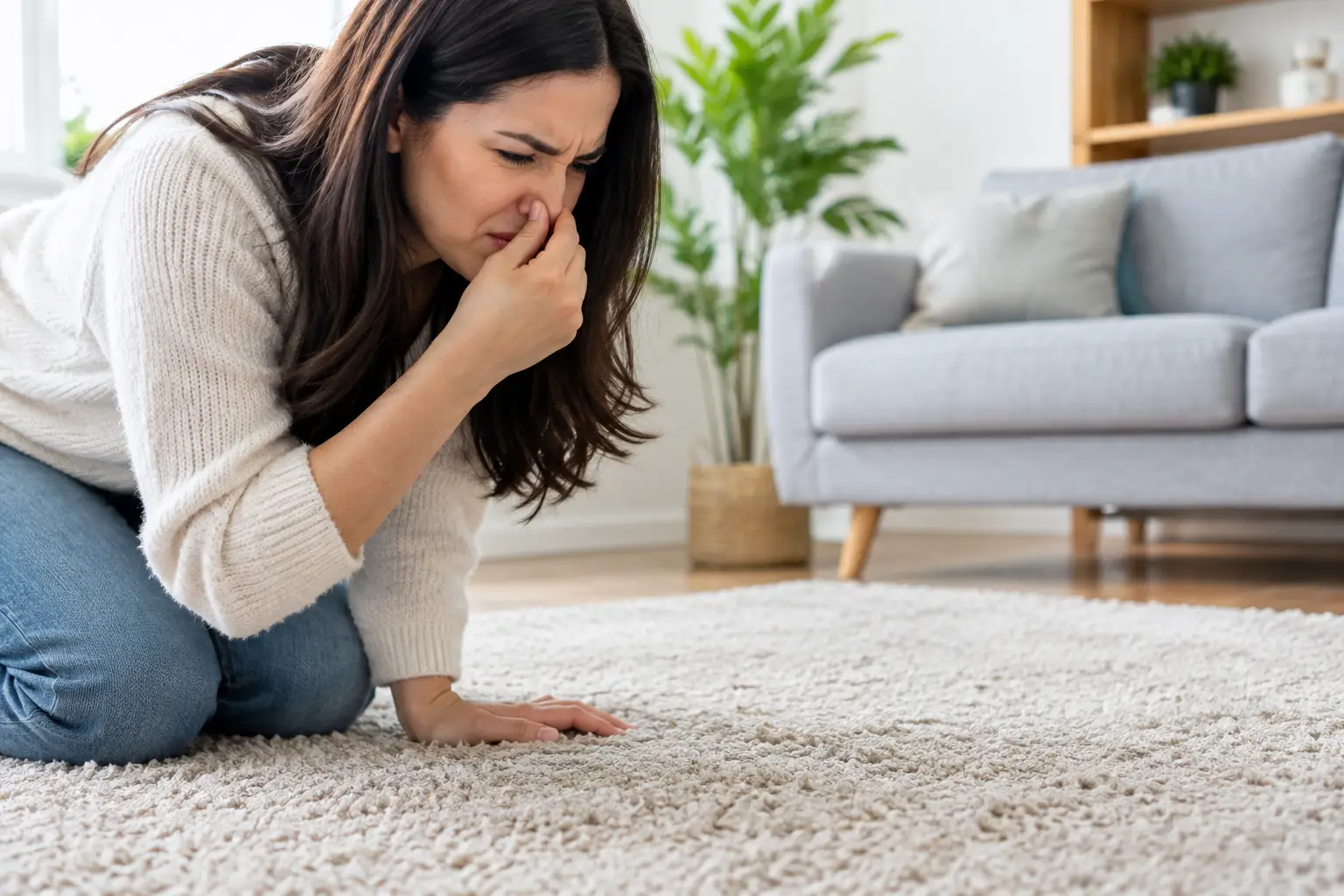
A carpet can look perfectly clean and still make the whole room feel off. That is because most carpet odor causes are not sitting on the surface. They are trapped in the fibers, carpet backing, pad, or even the subfloor below. A quick spray may cover the smell for an afternoon, but it will not remove the material feeding it.
For homes, rentals, offices, and customer-facing spaces across the Capital Region, the right solution starts with identifying the type of odor. Some smells respond well to prompt cleaning. Others point to moisture damage, old pet contamination, or a problem beneath the carpet that deserves closer attention.
Common Carpet Odor Causes
Pet urine that has soaked below the fibers
Pet accidents are among the most persistent carpet odors, especially when urine reaches the pad. As it dries, urine leaves behind crystals that can reactivate when humidity rises or the area gets damp. That is why a room can smell fine one day and suddenly have a strong ammonia-like odor after a rainy stretch or a deep cleaning attempt.
Fresh accidents are easier to address than old, repeated ones. Blotting promptly helps, but household spot cleaners often do not reach the full depth of the contamination. If the odor returns after you clean the visible spot, the source may be in the padding or subfloor rather than the carpet face yarn.
Moisture, mildew, and slow drying
A musty odor usually means moisture has been present too long. It may follow a basement seepage issue, a wet entryway, a plumbing leak, a window leak, or carpet that was cleaned and did not dry properly. Albany-area weather can add to the challenge, particularly in lower-level rooms where damp air and limited circulation slow drying.
Mildew odors should not be ignored or simply deodorized. First, the moisture source needs to be stopped. If carpet has been wet for an extended period, the pad and backing may be affected even when the top of the carpet feels dry. In some cases, cleaning is appropriate; in others, replacement of damaged materials is the responsible option.
Food, drinks, and organic spills
Milk, coffee with cream, juice, soup, beer, and other food spills can leave more than a visible stain. Organic residue becomes a food source for odor-producing bacteria. The smell may start mildly, then become more noticeable days later as the spill settles into the carpet.
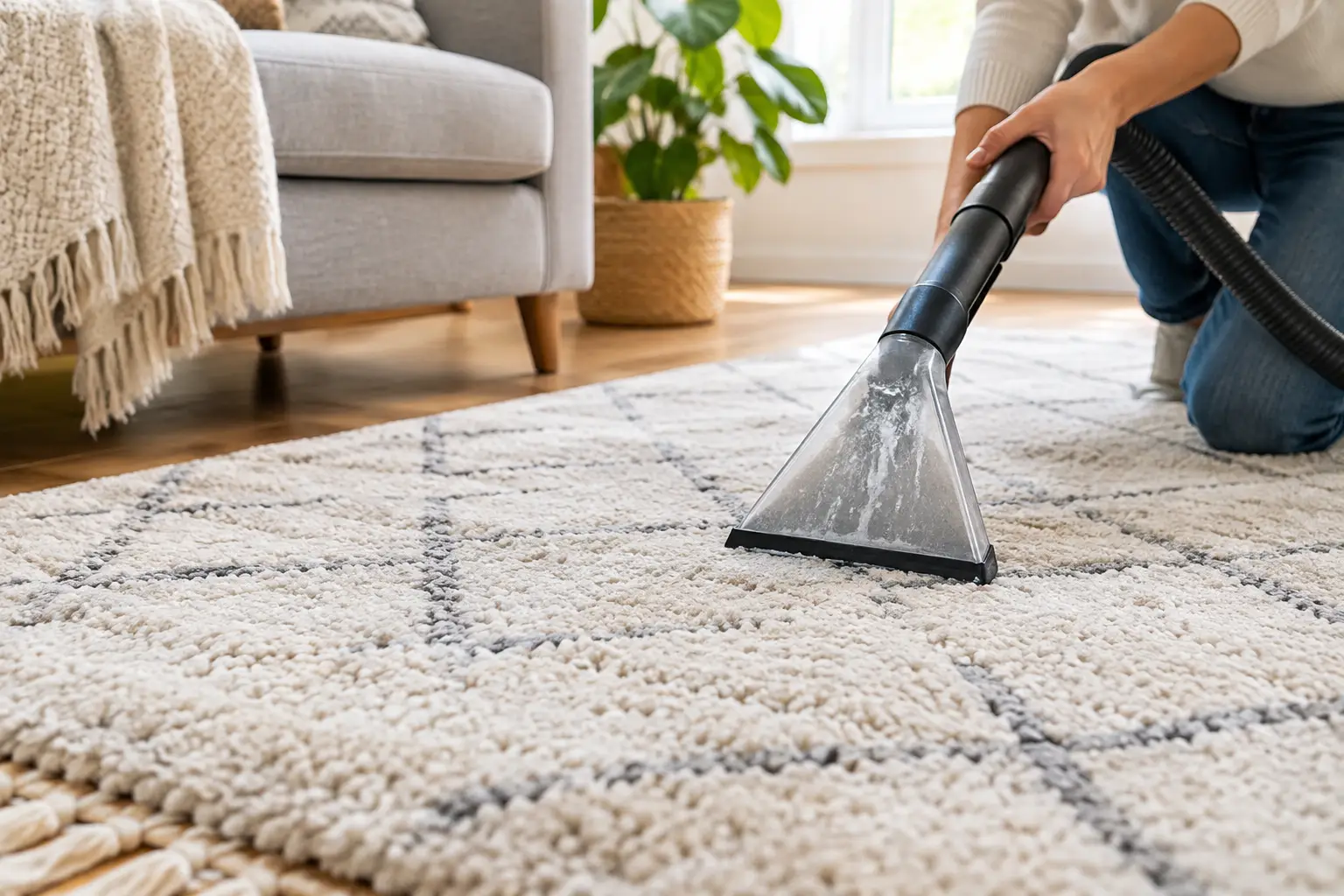
A spill that was scrubbed with soap can be especially frustrating. Scrubbing can push residue deeper, while too much detergent may leave behind a sticky film that attracts soil. Professional extraction removes residue more thoroughly than surface treatment alone, which is often the difference between a carpet that looks better and one that truly smells fresh.
Smoke, cooking oils, and everyday household buildup
Carpet acts like a filter. It collects airborne particles from cigarettes, fireplaces, candles, cooking, and general household activity. Smoke odor is particularly stubborn because fine particles and oily residue cling to fibers, upholstery, draperies, and walls, not just the carpet.
In a busy home or commercial space, this buildup can create a stale, dusty smell without one obvious spill or accident. A thorough cleaning can make a meaningful difference, although heavy smoke exposure may require cleaning several soft surfaces in the room for the best result.
Moldy items, dirty shoes, and tracked-in soil
Wet boots, gym bags, pet bedding, potted plants, and damp laundry baskets can all transfer odor and moisture to carpet. Entryways and hallways are common trouble spots because dirt, road salt, slush, and moisture get tracked in repeatedly during a New York winter.
These odors may seem minor at first, but repeated exposure lets soils build up below the surface. Regular professional cleaning is less about making a carpet look new for one day and more about removing the buildup before it becomes a permanent part of the room.
When the Smell Is Coming From Under the Carpet
If an odor becomes stronger when the heat is on, after rain, or when you walk across a particular spot, look beyond the carpet fibers. The pad can absorb liquid like a sponge, and wood or concrete beneath it can hold odor long after the carpet appears dry.
Older pet damage is a common example. Previous owners or tenants may have treated the surface while leaving contamination underneath. In a rental property, a unit can smell fine during a walkthrough but develop a noticeable odor once windows are closed and the space warms up.
There is a trade-off here: aggressive deodorizing treatments can help when the contamination is limited, but they cannot always overcome extensive saturation in a damaged pad or subfloor. An experienced technician should be clear about what cleaning can reasonably accomplish and when more extensive restoration is needed.
Why Store-Bought Deodorizers Often Fall Short
Powders, sprays, and scented products can make a room smell cleaner temporarily, but most do not remove the source. Carpet powders may also leave residue in the pile, especially if they are not fully vacuumed out. That residue can trap additional soil and make future cleaning more difficult.
Enzyme products can be useful for fresh pet accidents when used correctly, but they need enough contact time and moisture to work. Pouring a small amount on the surface will not solve an accident that spread through the backing and pad. Likewise, vinegar can reduce certain odors, yet it is not a universal solution and may leave its own smell behind.
The goal is not to replace one odor with another. It is to identify the source, remove as much residue as possible, and treat the affected materials at the depth where the odor lives.
What to Do Before an Odor Gets Worse
Start by identifying the room and the strongest area of odor. Check for dampness around windows, exterior doors, appliances, plumbing fixtures, and basement walls. If there is an active leak or flooding concern, address that first. Cleaning carpet before the moisture problem is resolved can lead to the same odor returning.
For a recent spill or pet accident, blot with clean white towels rather than rubbing. Use light pressure, work from the outside toward the center, and avoid soaking the area with several competing products. Keeping the room ventilated and using fans can help the carpet dry faster.
If the odor has been present for weeks, keeps returning, or covers more than one small area, professional evaluation is usually the more efficient choice. This is especially true before listing a home, welcoming a new tenant, reopening an office, or preparing for guests. A lingering odor can change how clean an otherwise well-kept space feels.
Professional Carpet Cleaning for Odor Problems
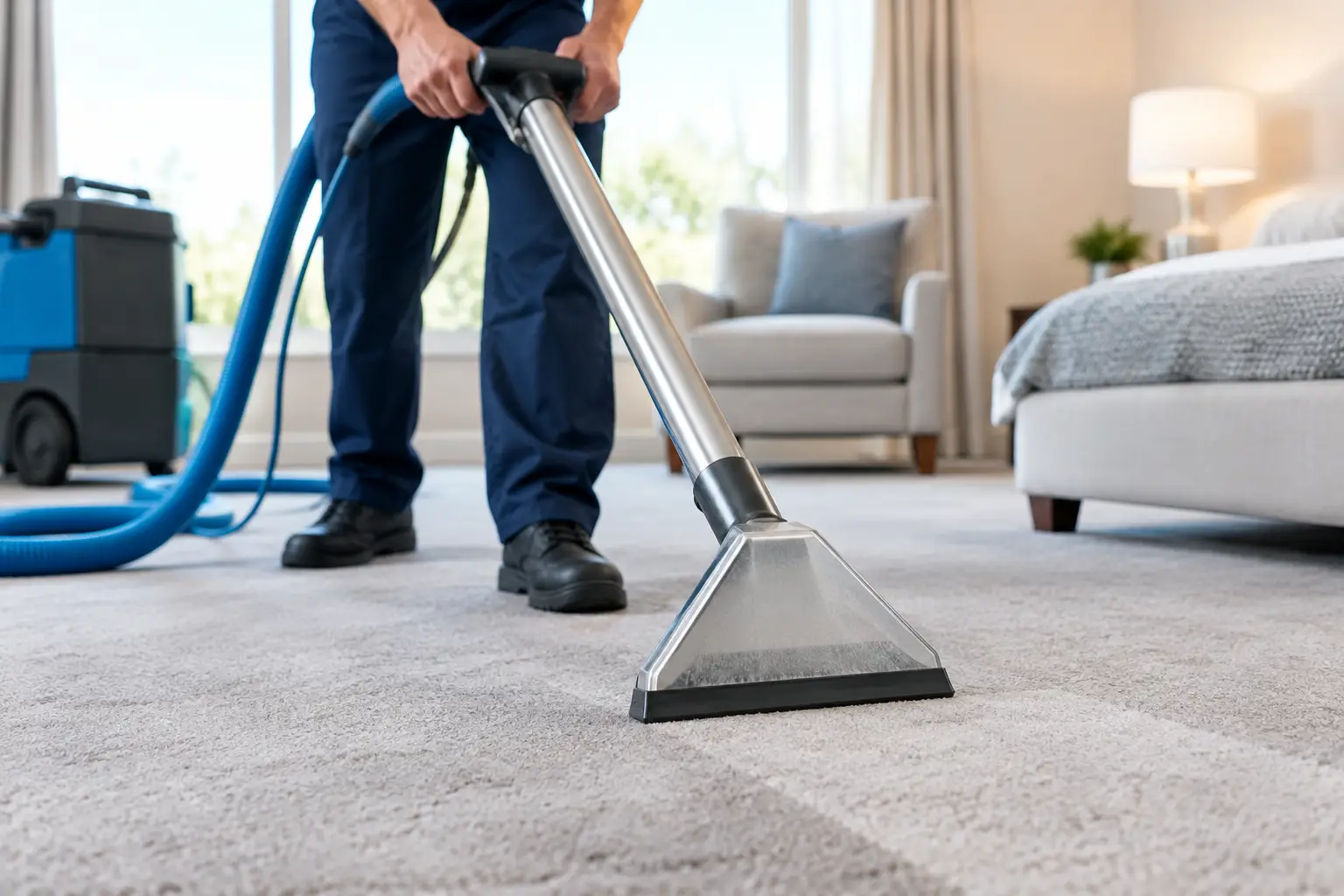
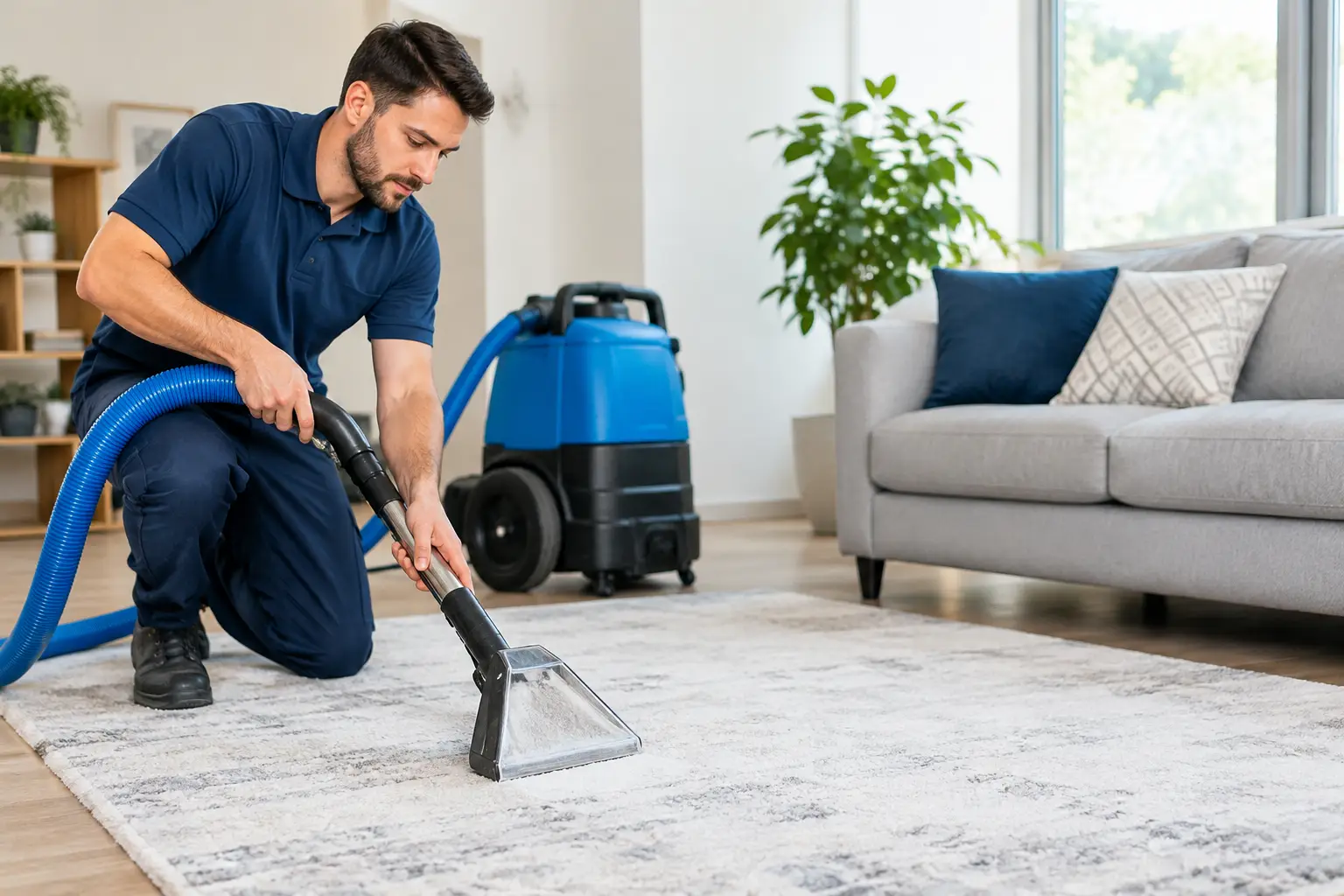
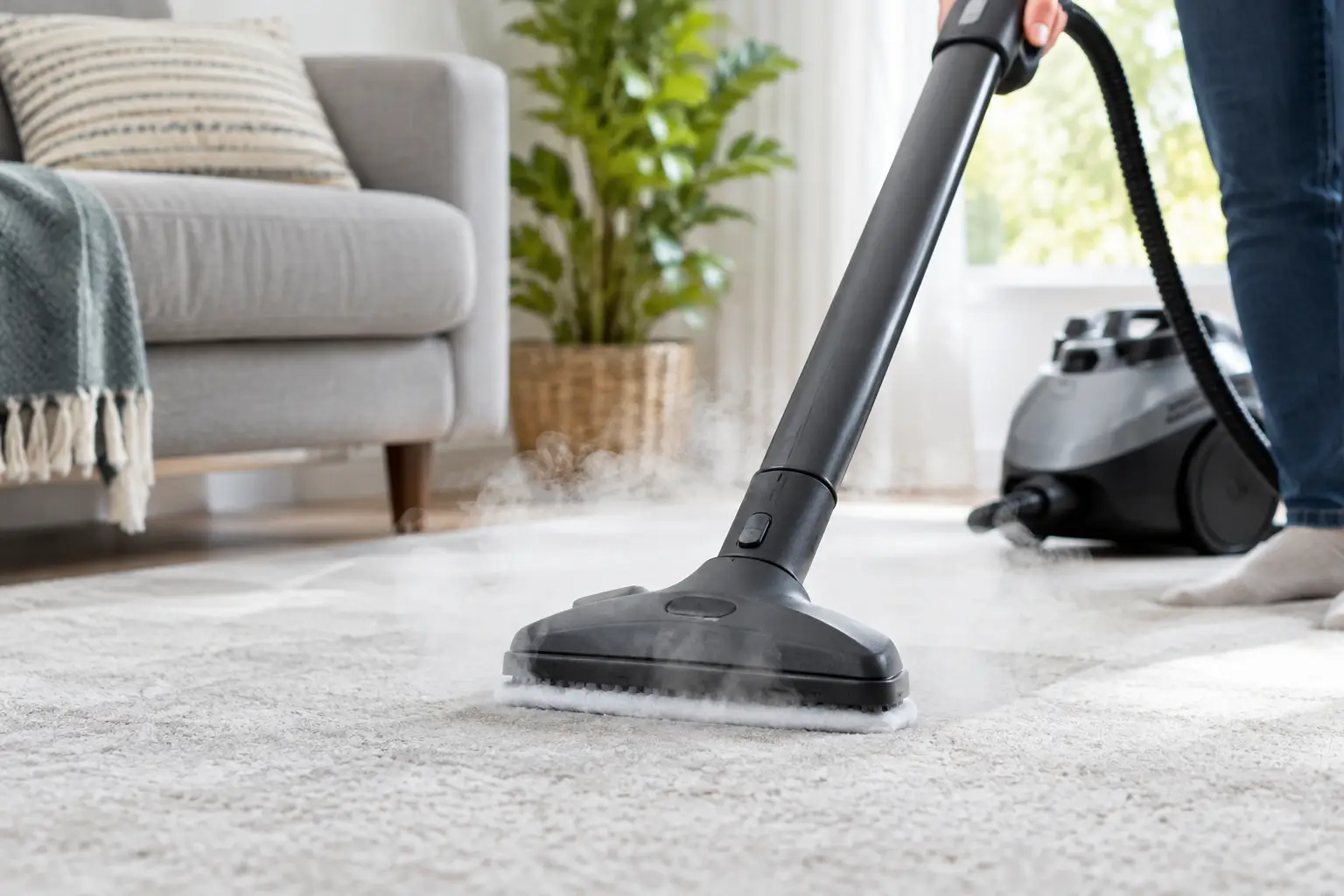
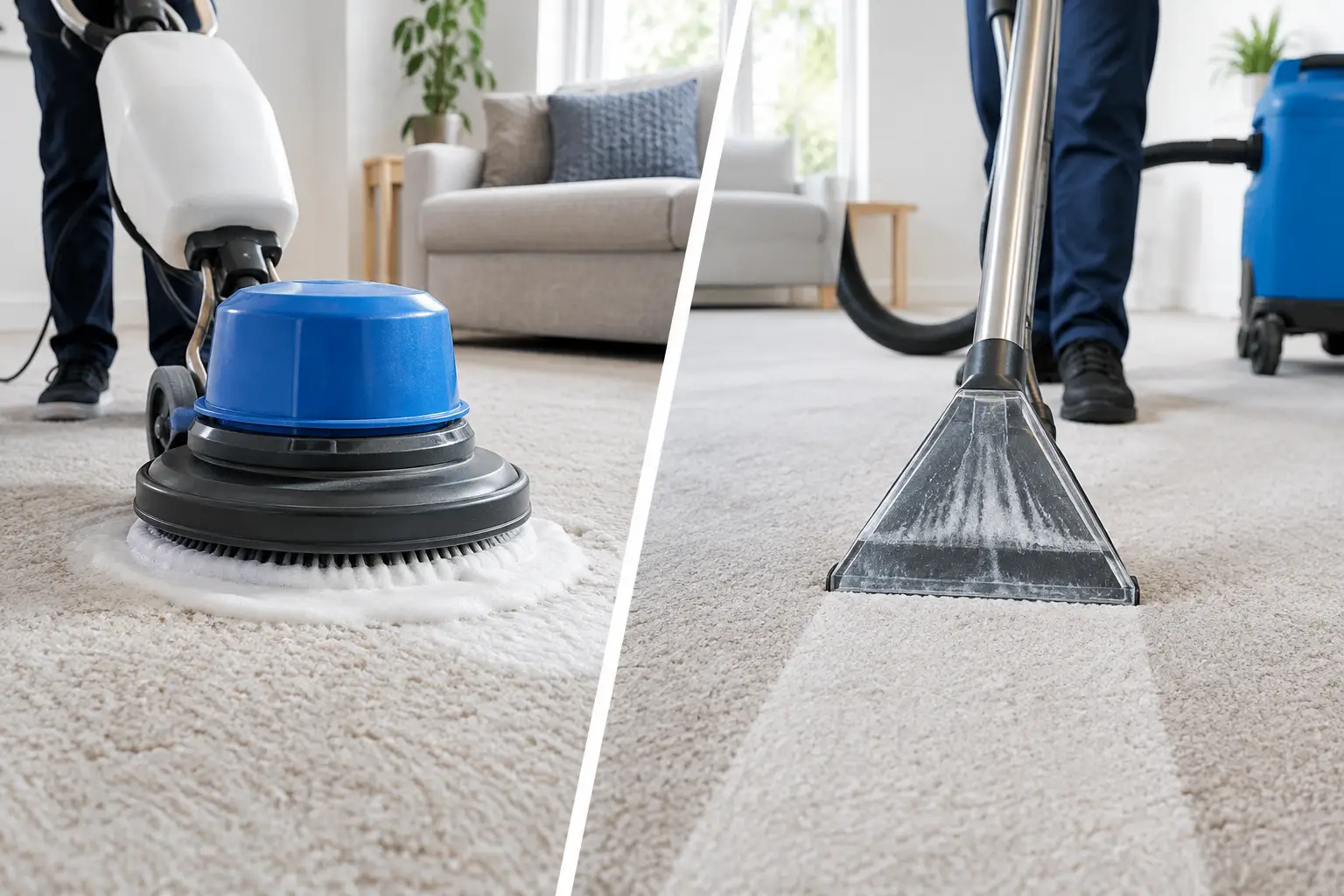
Effective odor treatment is not one-size-fits-all. It may involve deep extraction, targeted pet odor treatment, treatment of affected backing or padding, and recommendations for moisture control or replacement where necessary. The right approach depends on the odor source, how long it has been present, the type of carpet, and whether the contamination has reached materials underneath.
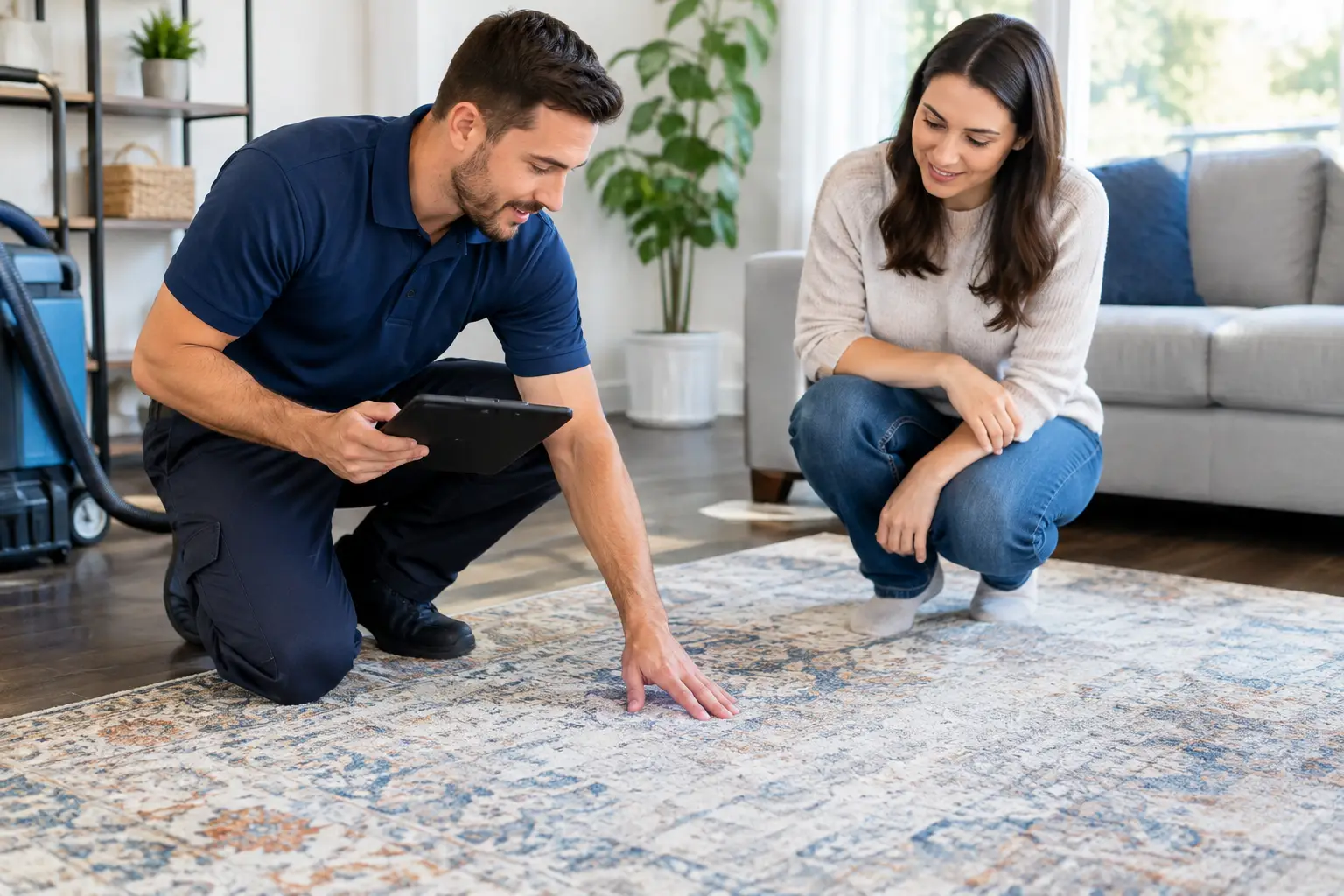
Hoffman Carpet Cleaning provides professional carpet cleaning and specialized pet odor treatment with clear expectations from the start. A trained technician can assess the affected area, explain the practical options, and recommend treatment based on the condition of your carpet rather than a one-size-fits-all package.
A clean-smelling carpet should not depend on fragrance or repeated cover-ups. When a room has an odor you cannot identify, or one that keeps coming back, arranging a professional inspection can give you a straightforward answer and a cleaner, more comfortable space.