A carpet can look clean and still hold the things that make a room uncomfortable. Pet dander, dust mite debris, pollen, mold particles, and everyday dust settle deep into fibers and upholstery, where normal vacuuming may not fully reach. So, can steam cleaning kill allergens? The honest answer is that steam can help reduce certain allergy triggers, but it is not a complete cure for allergies or a substitute for thorough cleaning.
The distinction matters, especially for Capital Region households with pets, children, seasonal allergies, or heavily used carpeting. A professional cleaning plan should focus on removing allergen-containing soil, not simply making a surface look refreshed.
Can Steam Cleaning Kill Allergens?
Allergens are not one single substance, and most are not living organisms that can simply be “killed.” Dust mite allergens, for example, are proteins found in mite waste and body fragments. Heat may kill dust mites themselves, but the allergen proteins can remain in carpet, bedding, upholstery, and dust until they are physically removed.
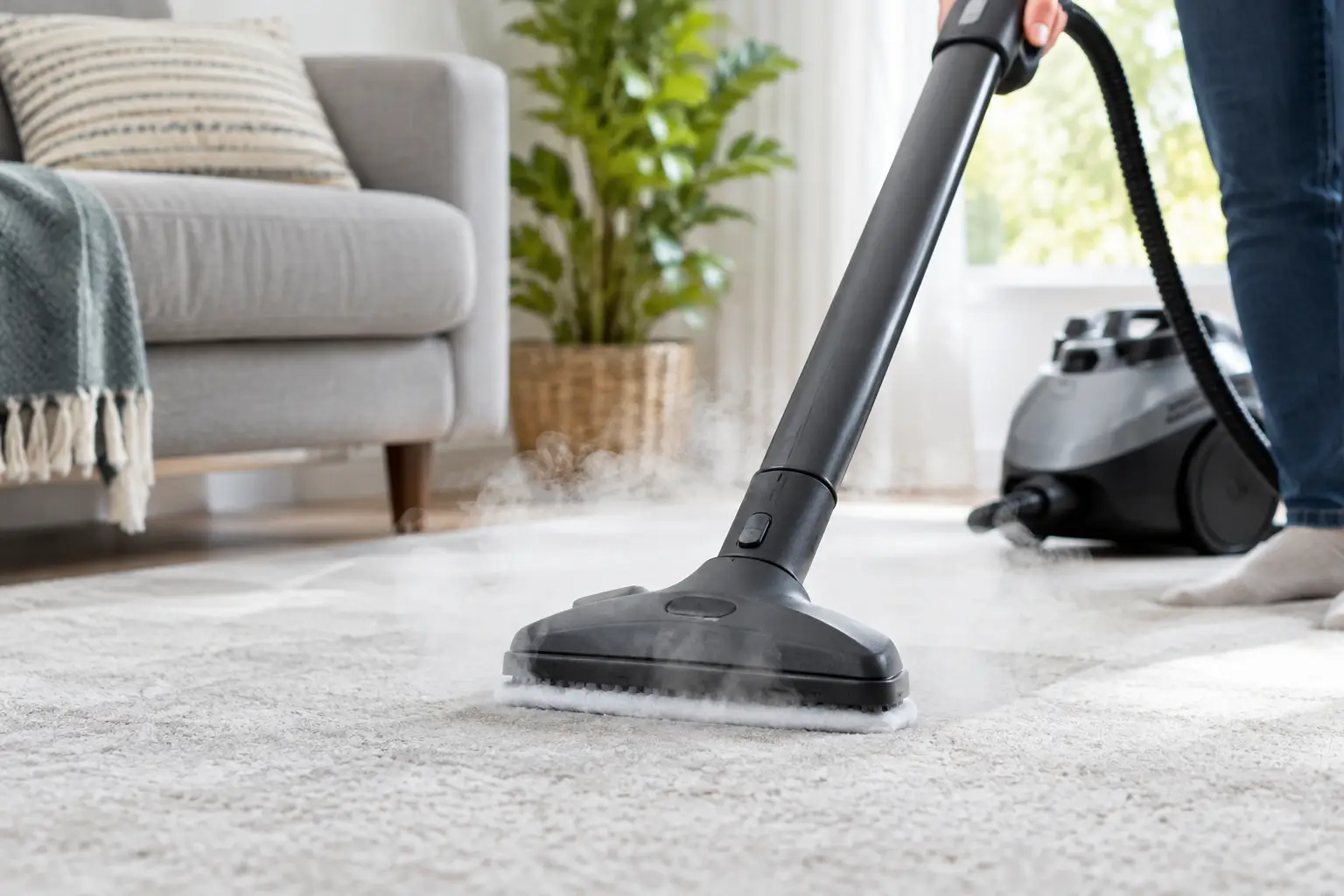
True high-temperature steam can be useful against some living sources of irritation, including dust mites and certain microbes on appropriate surfaces. However, steam alone does not reliably remove all of the residue left behind. It also will not solve an allergy problem caused by outdoor pollen entering through open windows, pet dander continuously shed by an animal, or an active moisture issue that is encouraging mold growth.
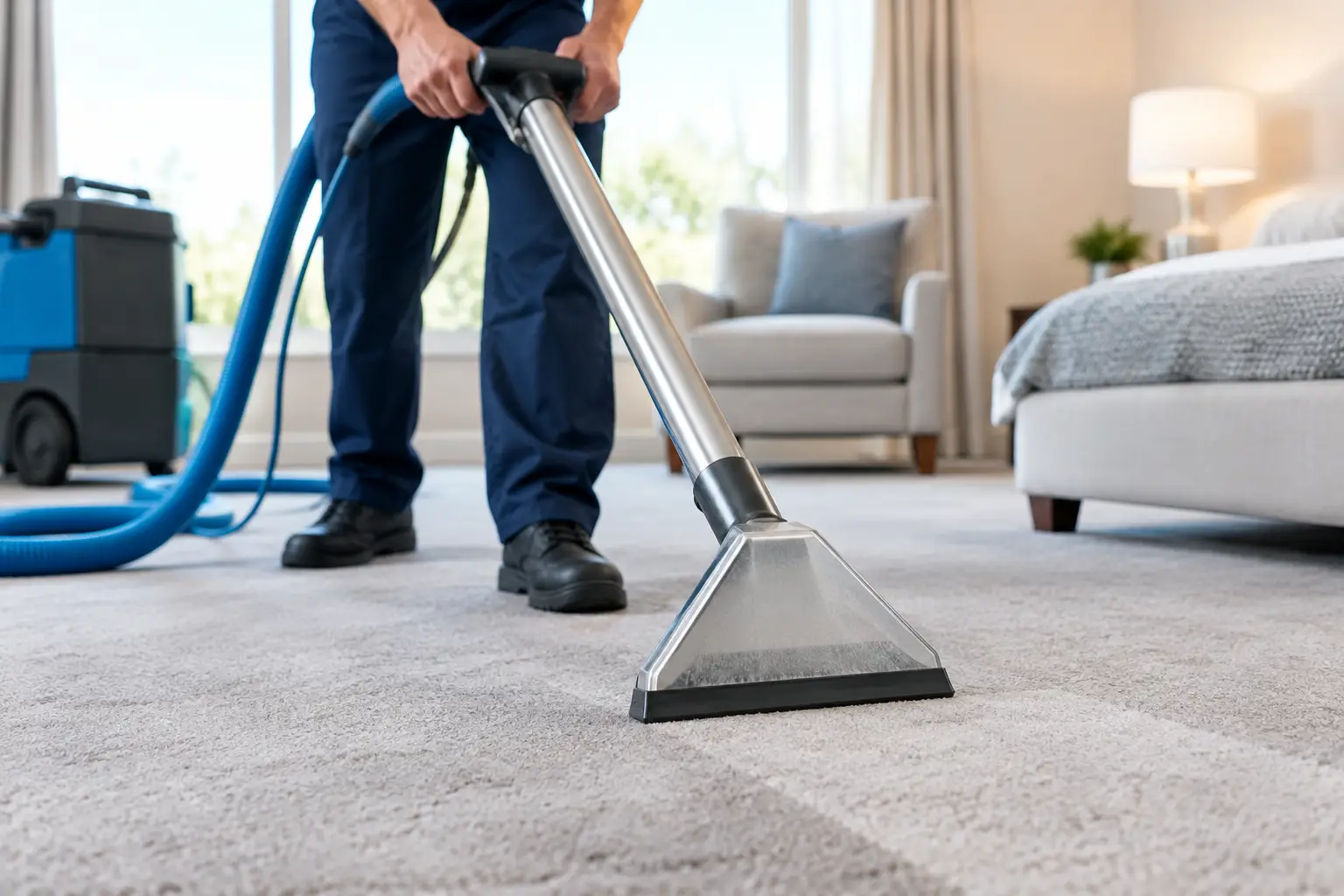
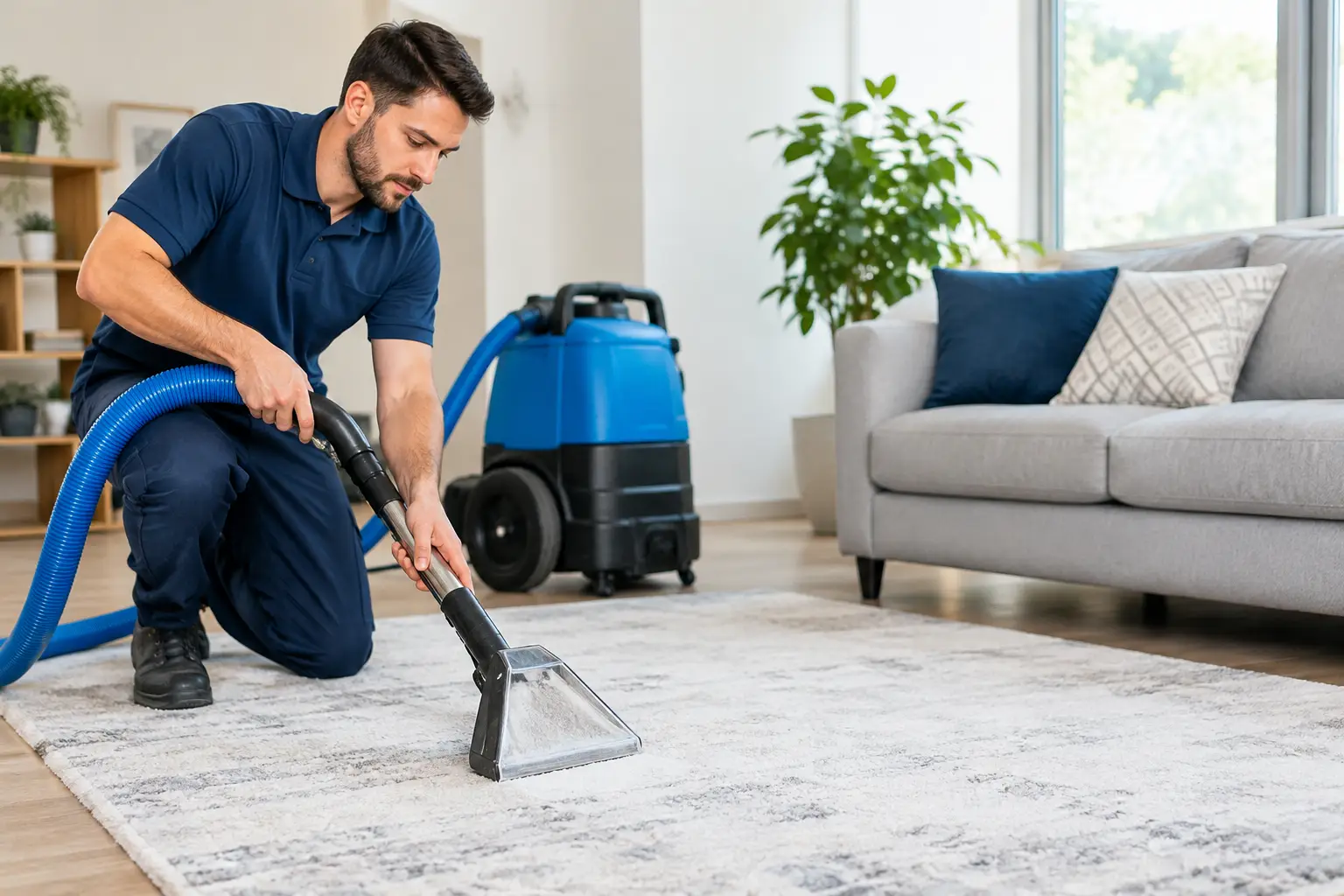
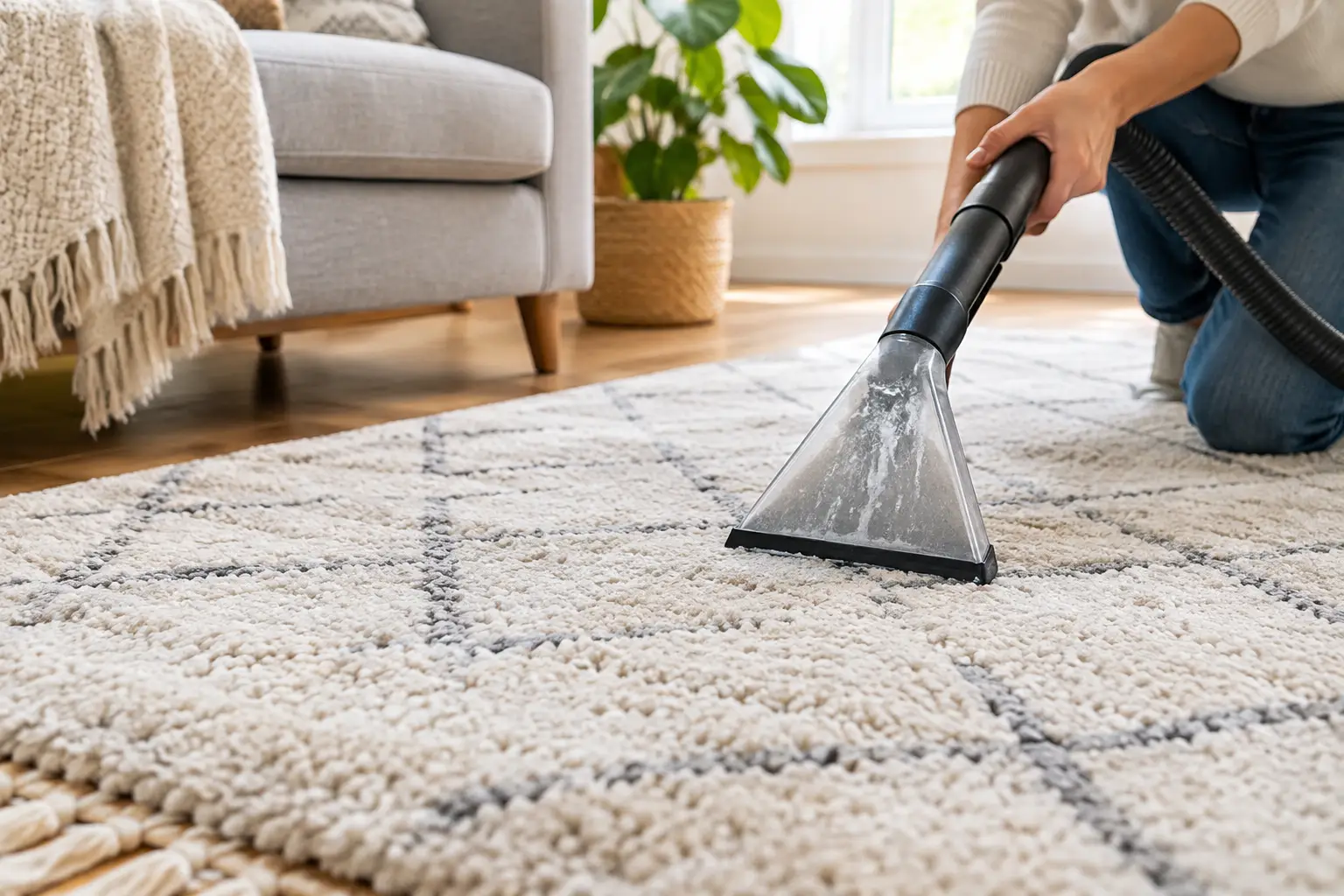
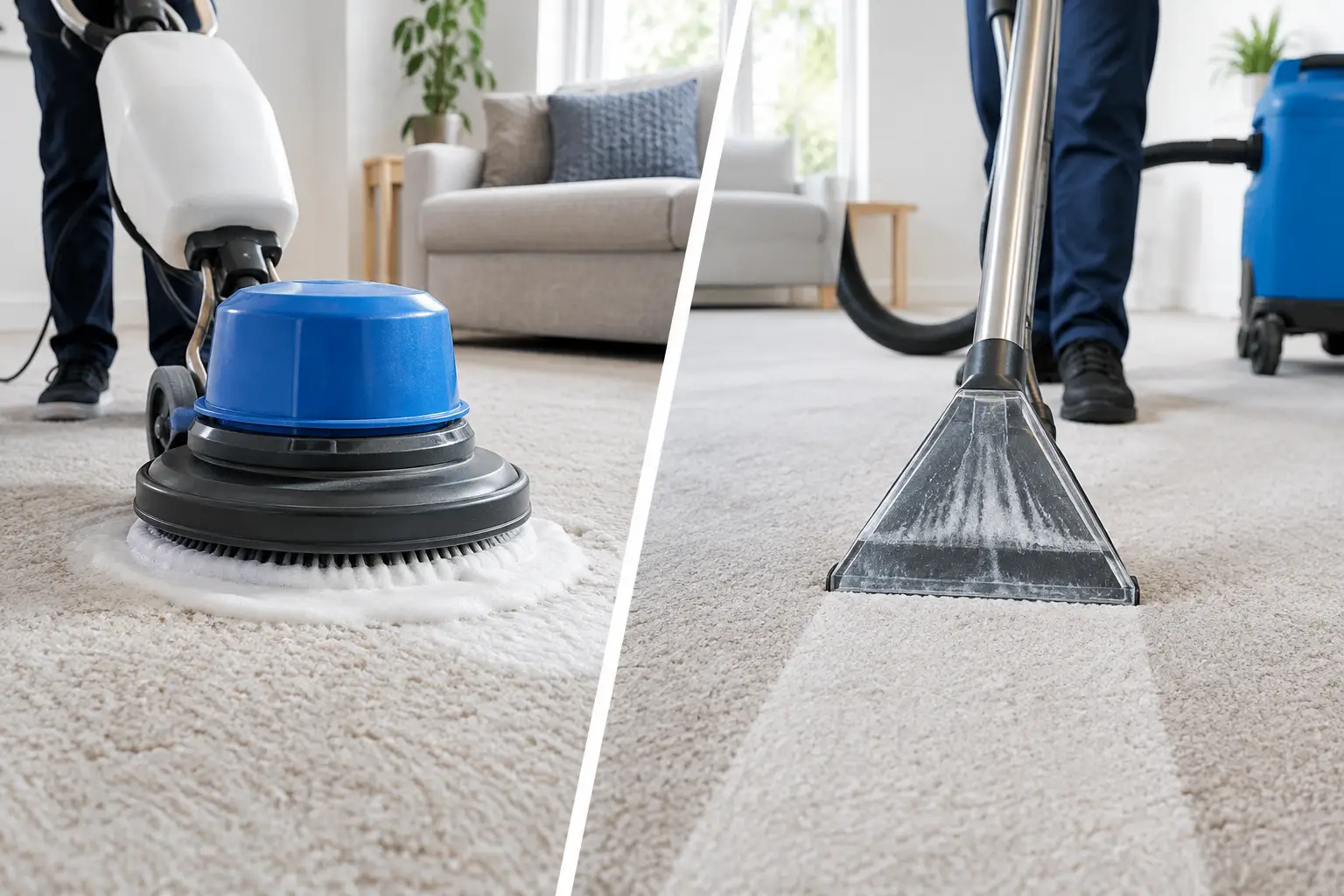
For carpets, many people use “steam cleaning” to describe professional hot-water extraction. This process uses heated cleaning solution, agitation, and powerful extraction to loosen and remove embedded soil. The removal step is critical. When the equipment recovers the dirty water and debris, it takes a meaningful amount of allergen-containing material out of the carpet rather than leaving it behind.
What Allergy Triggers Can Cleaning Reduce?
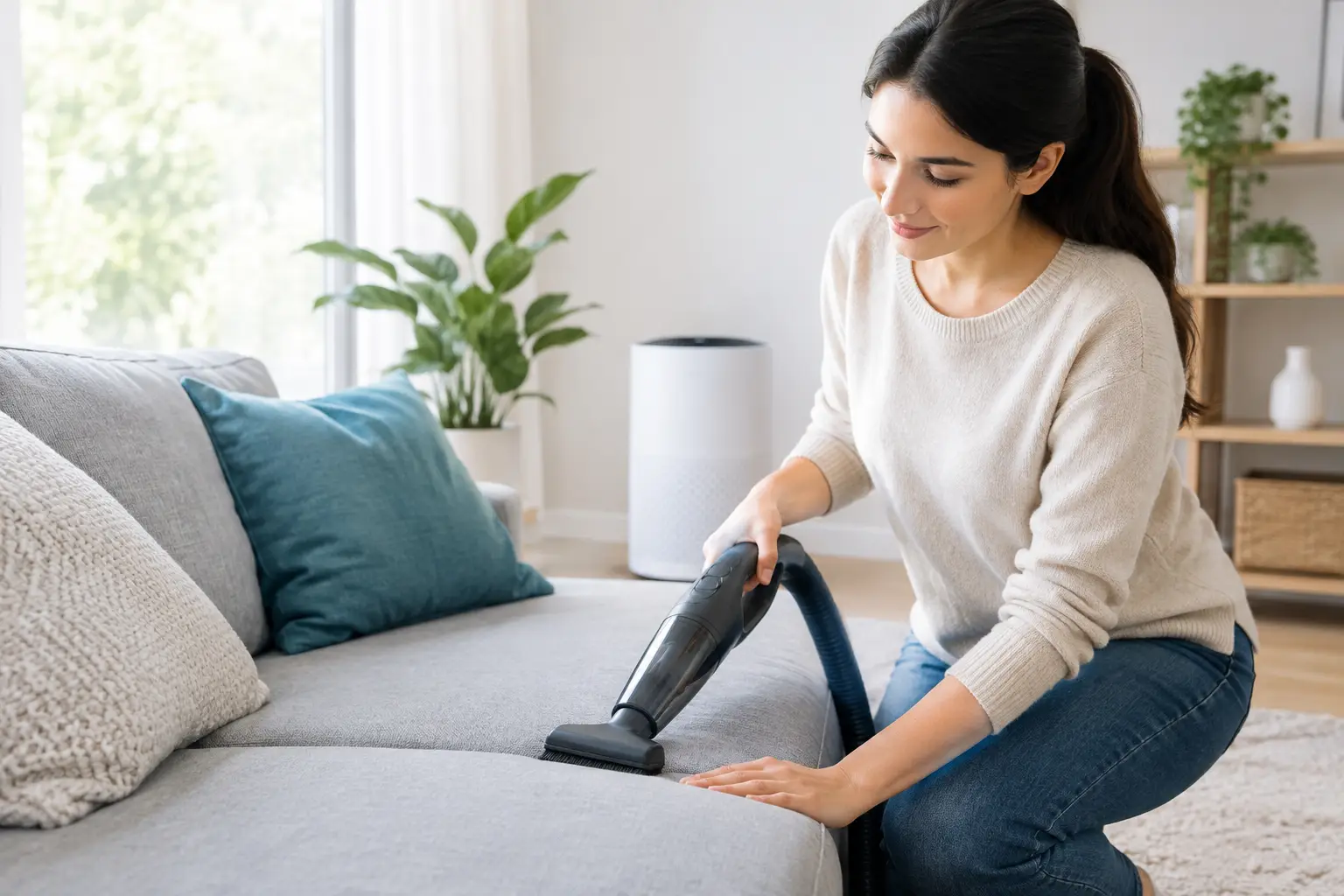
The right method depends on the material, the trigger, and the condition of the item being cleaned. Carpets and upholstered furniture can collect a surprising amount of airborne debris over time, particularly in entryways, family rooms, bedrooms, offices, and homes with pets.
Dust Mites and Their Residue
Dust mites thrive in warm, humid environments and feed on shed skin cells. They are common in bedding, upholstered furniture, area rugs, and carpeted bedrooms. Heat can help address mites, but reducing exposure requires more than heat. Regular vacuuming with effective filtration, washing bedding, managing indoor humidity, and professional extraction of soft surfaces can all help lower the buildup of mite-related debris.
Pet Dander
Pet dander is lightweight and sticky, which is why it travels easily and settles almost everywhere. Steam or hot-water extraction can help remove dander that has become trapped in carpet pile or upholstery fabric. Still, dander returns as long as a pet lives in the home. For families with sensitive guests or allergy sufferers, a recurring cleaning schedule is usually more practical than a one-time deep clean.
Pollen and Outdoor Dust
Pollen gets tracked indoors on shoes, clothing, pet fur, and open-air breezes. During spring and fall in the Albany-to-Saratoga area, it can accumulate quickly near entrances and on rugs. Professional cleaning can remove what has settled into fibers, but prevention also matters. Entry mats, shoe removal, frequent vacuuming, and regular filter changes reduce what reaches the carpet in the first place.
Mold and Mildew Particles
Steam is not the answer to an active mold problem caused by a leak, flooding, or persistent moisture. Those conditions need to be corrected at the source. Cleaning may address surface soil and odor in certain situations, but moldy materials or water-damaged carpet may require a different level of remediation. A reputable cleaner should be clear about that rather than promising a quick fix.
Why Extraction Matters More Than Heat Alone
A handheld steam machine can be helpful for small, durable hard-surface areas when used correctly. It has limits on broad carpeted rooms, heavily used upholstery, and delicate textiles. Too much moisture, improper temperature, or inadequate drying can create problems of its own.
Professional hot-water extraction is designed to flush and recover soil from carpet. The exact approach should be adjusted for the carpet fiber, construction, level of soil, pet conditions, and drying needs. A wool rug, for example, should not be treated like synthetic wall-to-wall carpet. Fine rugs, Oriental rugs, and delicate upholstery require careful evaluation and a cleaning method suited to the material.
The goal is not to soak the room or chase the highest possible temperature. It is to apply an appropriate solution, loosen what is embedded, extract it effectively, and promote proper drying. When cleaning is done well, carpets feel cleaner underfoot, odors are reduced, and there is less dust and debris available to become airborne again.
When Steam Cleaning Is Not the Best Choice
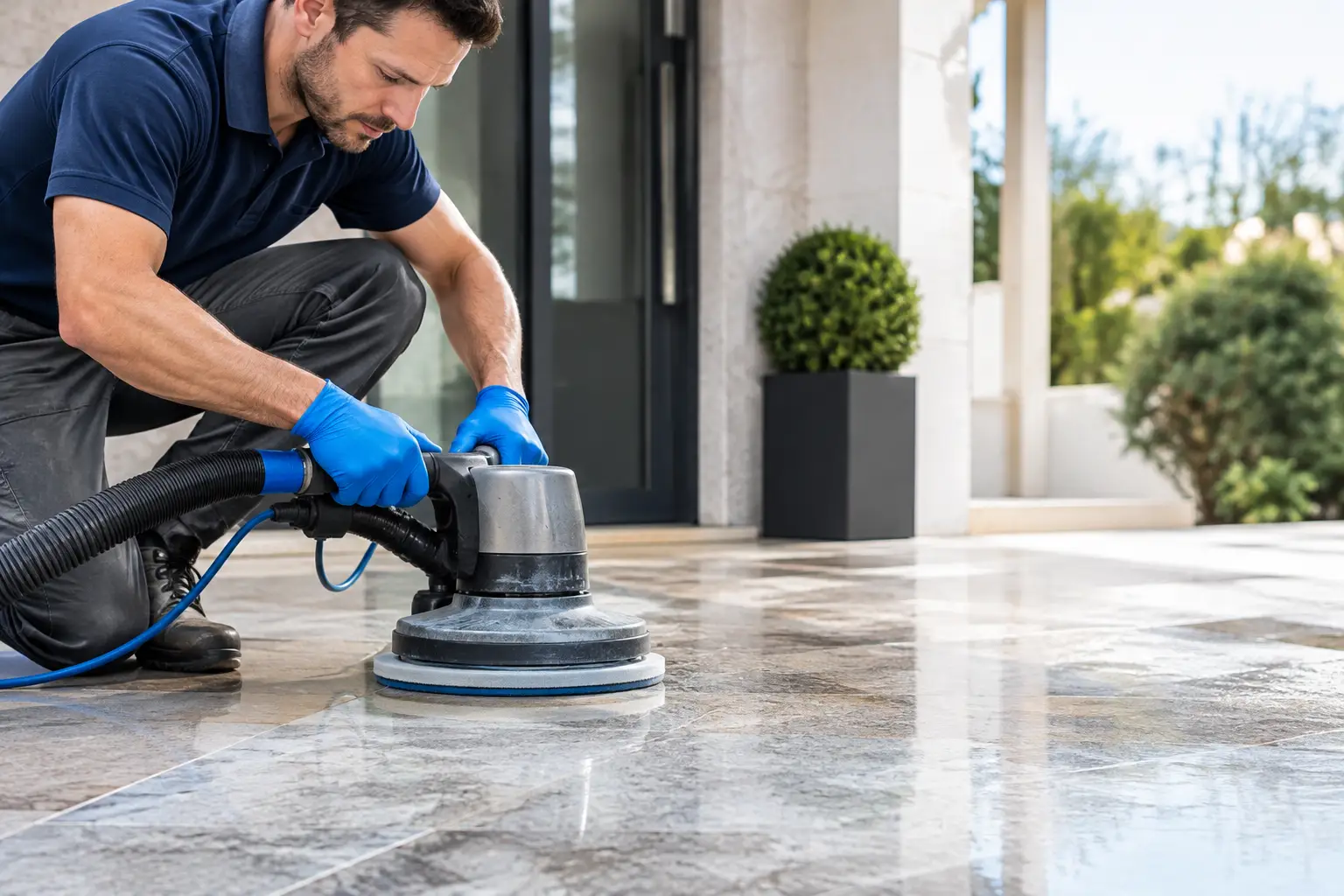
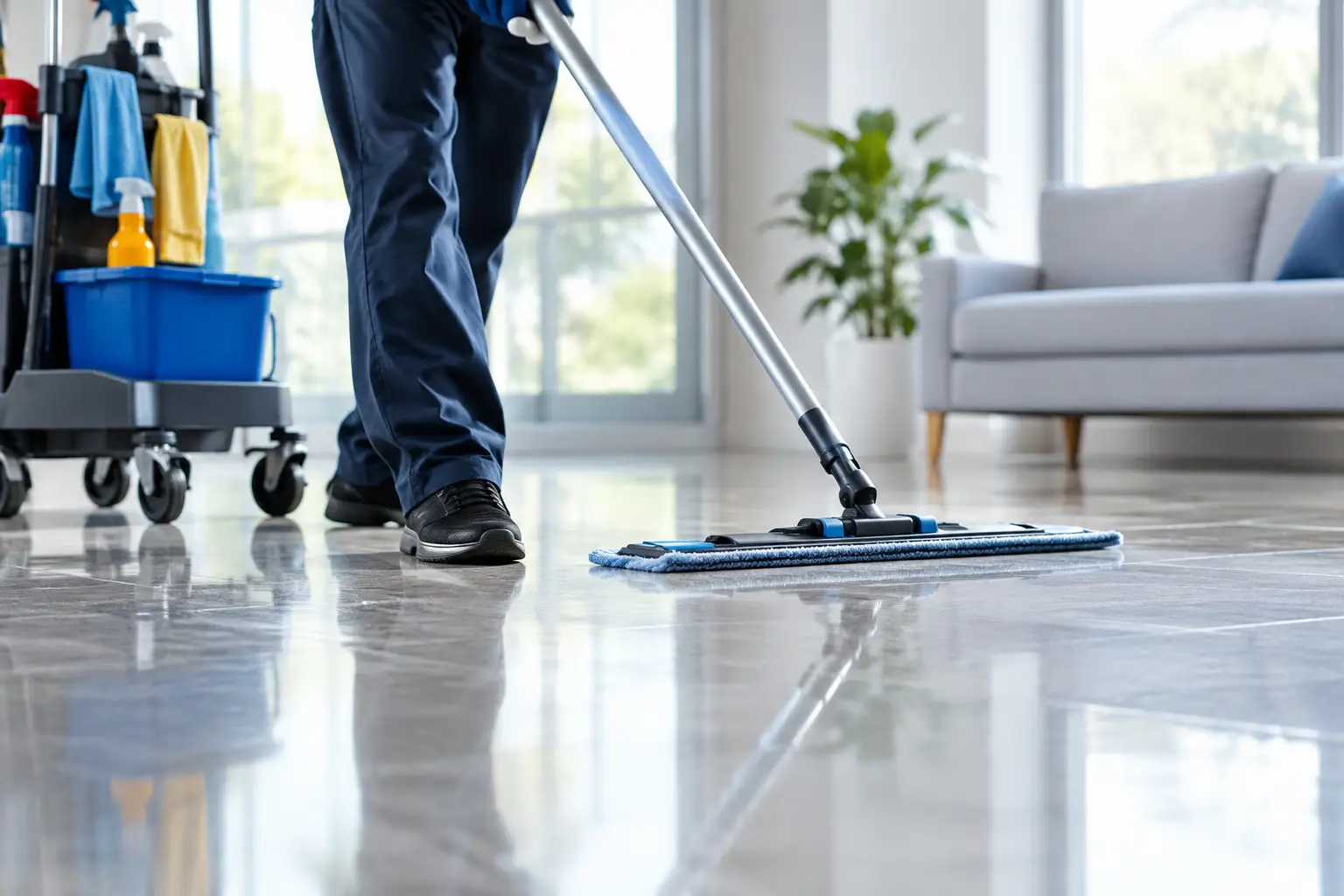
Steam cleaning is not automatically the right answer for every surface or every allergy concern. Some hardwood floors, natural stone, unsealed grout, silk upholstery, and delicate rug fibers can be damaged by heat or excess moisture. The right service may involve low-moisture cleaning, specialized rug washing, upholstery cleaning, hard-surface care, or another controlled process.
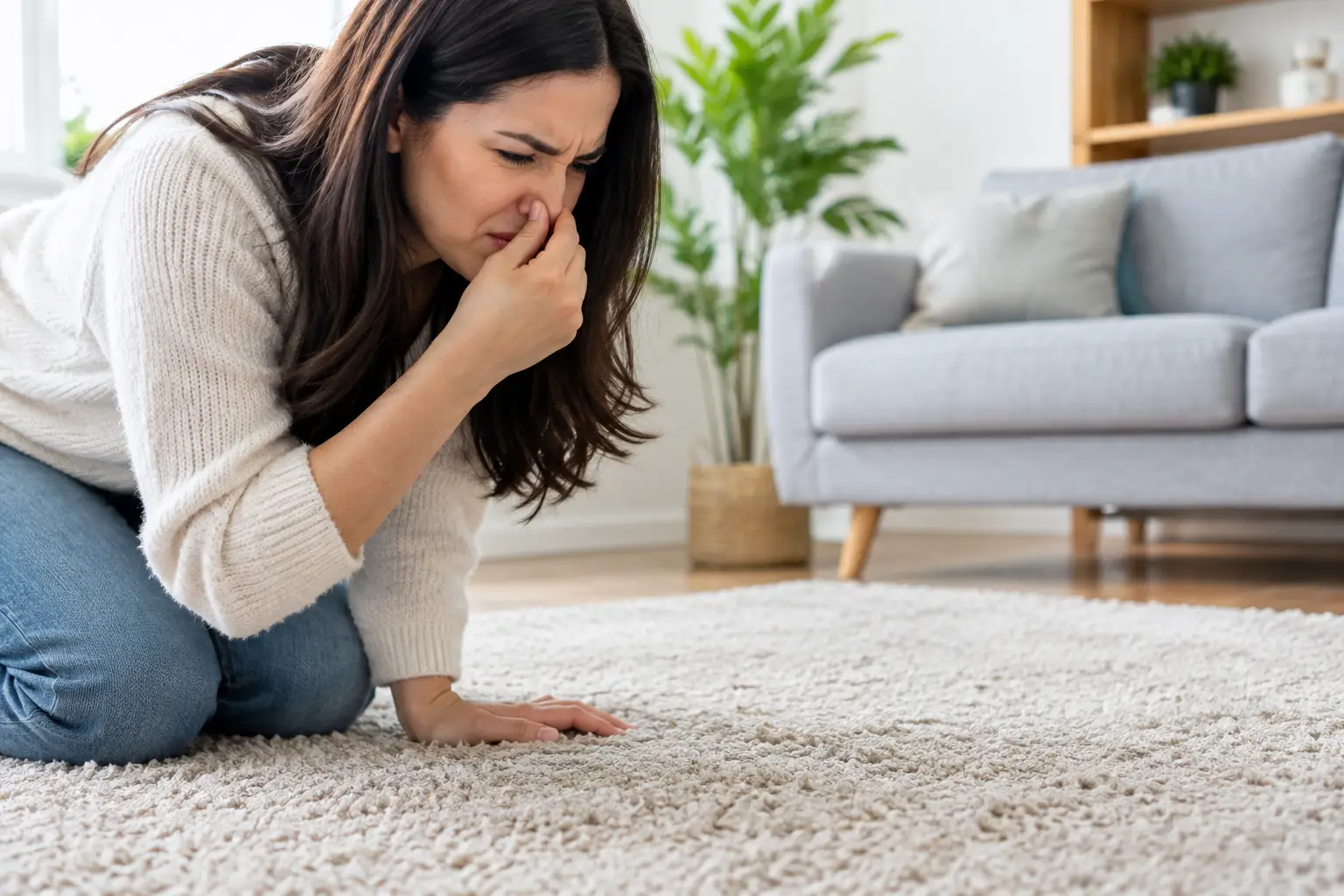
It also helps to set realistic expectations about stains and odors. Pet urine may travel beneath the carpet backing and into the pad or subfloor. Surface steam alone may improve the appearance without fully resolving the source of the odor. In that case, a targeted pet odor treatment is often needed.
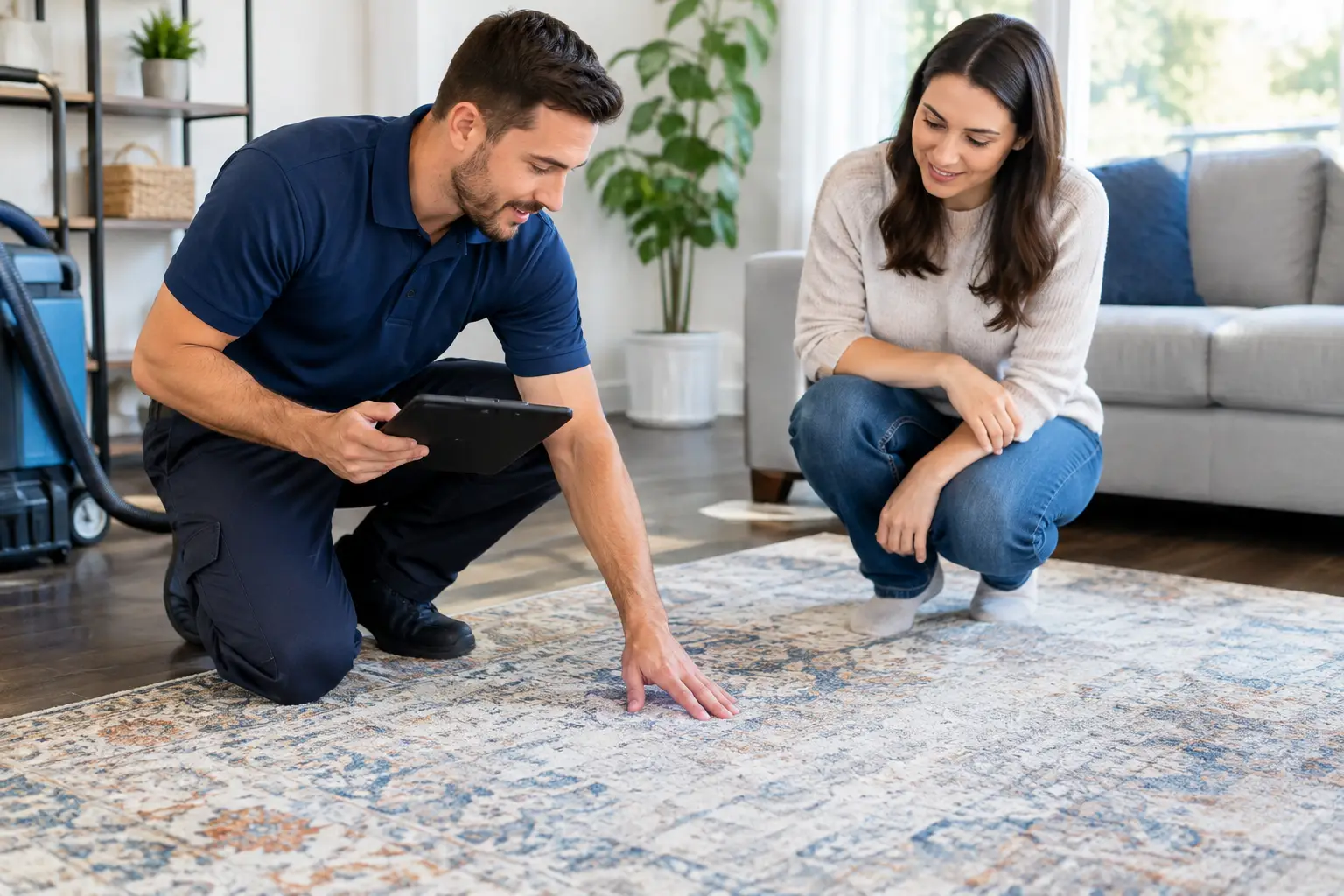
A professional inspection before service is valuable because it identifies these differences. It also prevents the common mistake of treating every floor, rug, and fabric with the same machine and the same process.
A Practical Plan for a Lower-Allergen Home
Professional cleaning works best as one part of regular home maintenance. Vacuum high-traffic carpet and rugs frequently, paying extra attention to edges, under furniture, and pet resting areas. Use a vacuum with good filtration, and replace or clean filters as recommended by the manufacturer.
Wash bedding regularly in hot water when appropriate for the fabric. Keep indoor humidity under control, especially in basements and bedrooms. Use entry mats, clean them often, and address spills before they become embedded soil. If someone in the home has pronounced allergies or asthma, speak with a medical professional about managing symptoms and triggers.
For carpeting and upholstery, schedule professional service based on real use rather than waiting until everything looks visibly dirty. Homes with pets, active children, frequent visitors, or allergy concerns often benefit from more frequent maintenance. Rental properties and commercial spaces may need a schedule based on traffic patterns and the appearance standards expected by tenants, staff, or customers.
Choose Cleaning That Is Thorough and Accountable
The best answer to an allergen concern is not a vague promise that cleaning will make every problem disappear. It is a careful process that considers the surface, identifies likely sources of buildup, and removes as much embedded debris as possible without risking the material.
At Hoffman Carpet Cleaning, trained technicians can assess carpets, upholstery, mattresses, rugs, and hard surfaces to recommend an appropriate cleaning approach. Clear expectations, respectful in-home service, and work backed by a satisfaction guarantee matter just as much as the equipment being used.
If your home feels dusty, smells stale, or seems to aggravate allergies after windows have been closed for the season, a professional cleaning may be a practical next step. A cleaner, more comfortable space often starts with removing what has been quietly collecting beneath the surface.