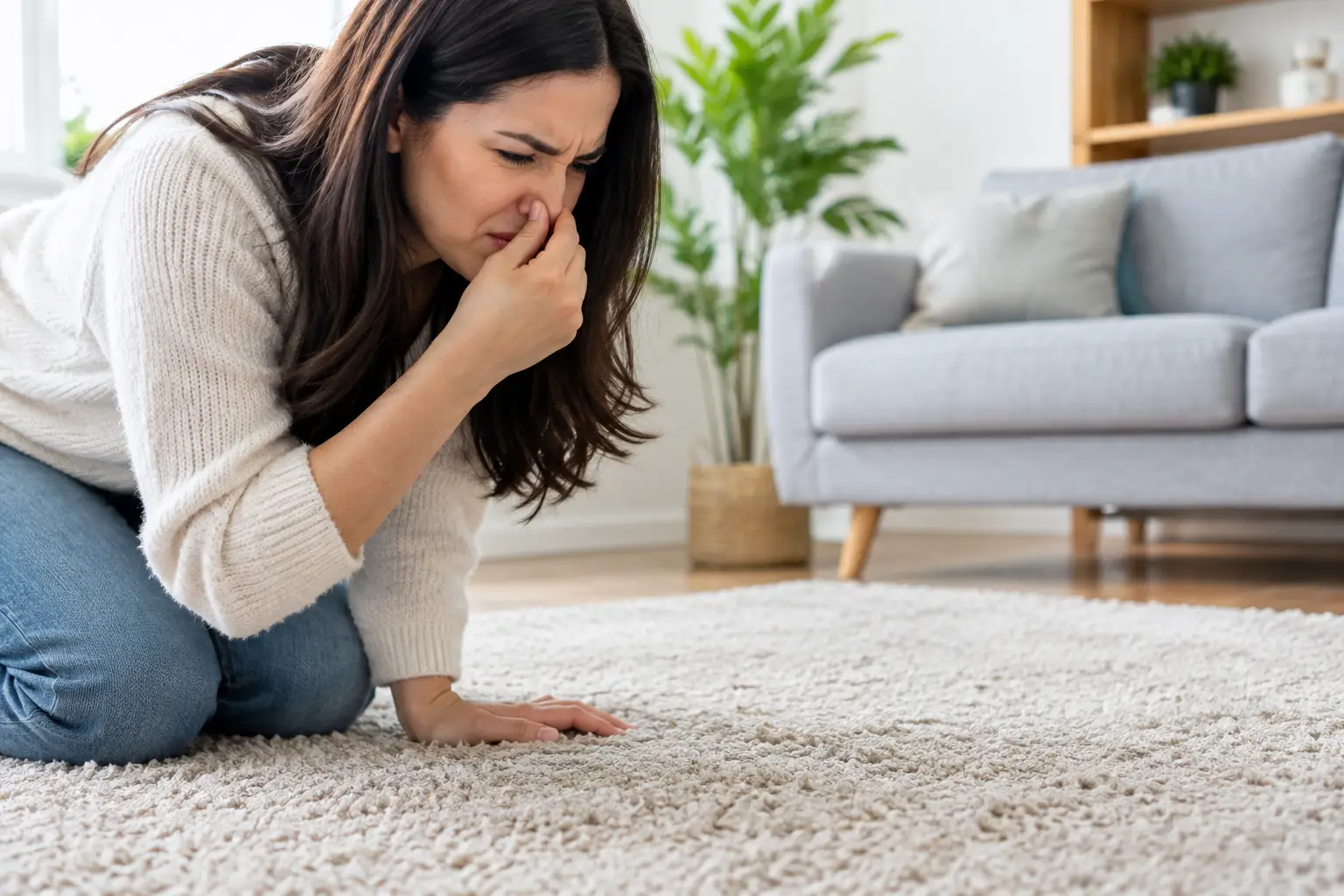
A clean-looking room can still hold the particles that make allergy season feel like it never ends. Pollen rides in on shoes, pet dander settles into upholstery, and dust mites collect where people sleep and relax. The best ways to reduce indoor allergens are not about spraying a fragrance or doing one major cleanup. They come from a steady routine that removes allergens from the places where they build up most.
For homes, apartments, offices, and rental properties across the Capital Region, the goal is simple: keep particles from entering when possible, remove them before they settle deeply, and control the moisture that helps mold and dust mites thrive.
Know What Is Collecting in Your Home
Indoor allergies are often caused by a combination of sources rather than one obvious culprit. In spring and fall, open windows, clothing, pets, and shoes can bring tree, grass, and ragweed pollen inside. During winter, people spend more time indoors with windows closed, which can make dust, pet dander, and fabric-borne particles more noticeable.
Dust is more than dirt. It can include skin flakes, textile fibers, outdoor soil, pollen, and dust mite waste. Pet dander is especially light and can travel beyond the areas where a dog or cat sleeps. Mold spores may develop in damp basements, bathrooms, laundry spaces, and around small leaks. Each source needs a slightly different response, which is why a general surface wipe-down is rarely enough.
If symptoms become severe, persistent, or affect breathing, speak with a qualified health care provider. Cleaning can lower household allergen exposure, but it is not a substitute for medical care or for repairing a moisture problem at its source.
Start With the Best Ways to Reduce Indoor Allergens Every Week
The most effective routine is the one your household can maintain. Focus first on bedrooms, living rooms, and other areas where people spend the most time. These rooms typically contain the most fabric, and fabric is where fine particles settle and become airborne again when cushions, rugs, or bedding are disturbed.
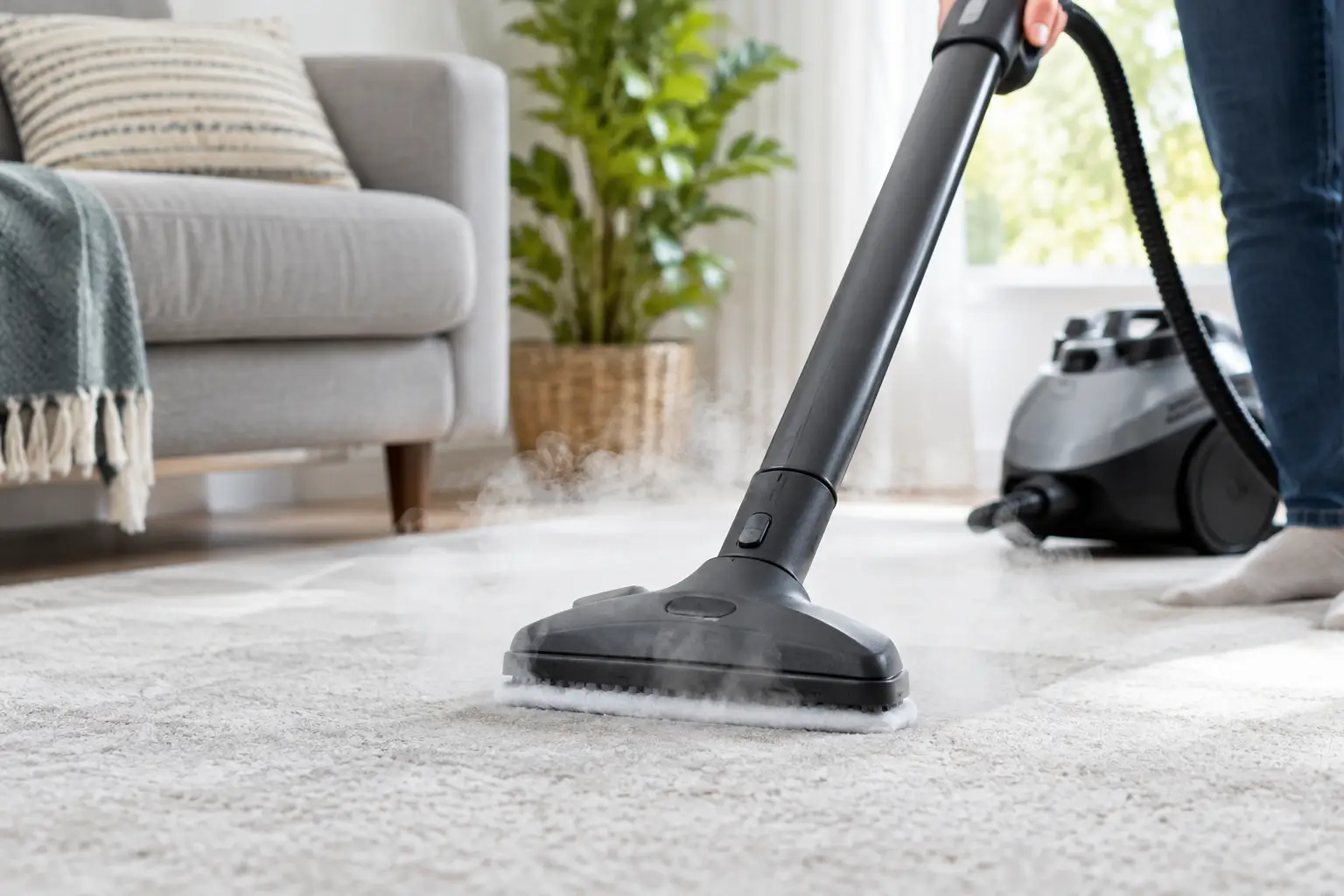
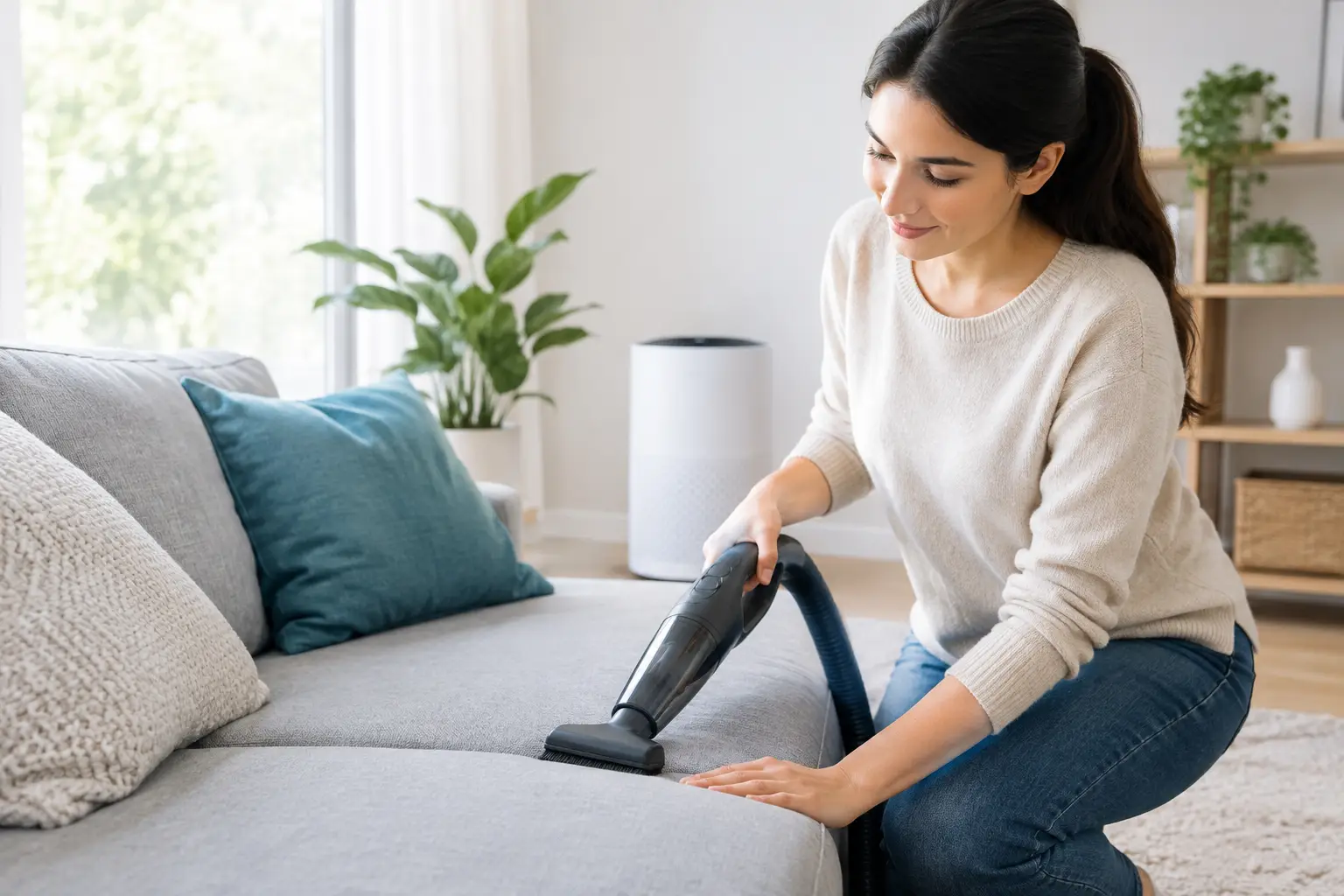
Vacuum carpets, area rugs, upholstered furniture, and mattress surfaces regularly using a vacuum with a sealed system and a HEPA-quality filter. A standard vacuum can pick up visible debris but may release fine particles back into the air through its exhaust. Move slowly, overlap your passes, and give extra attention to room edges, under furniture, pet resting spots, and entryways.
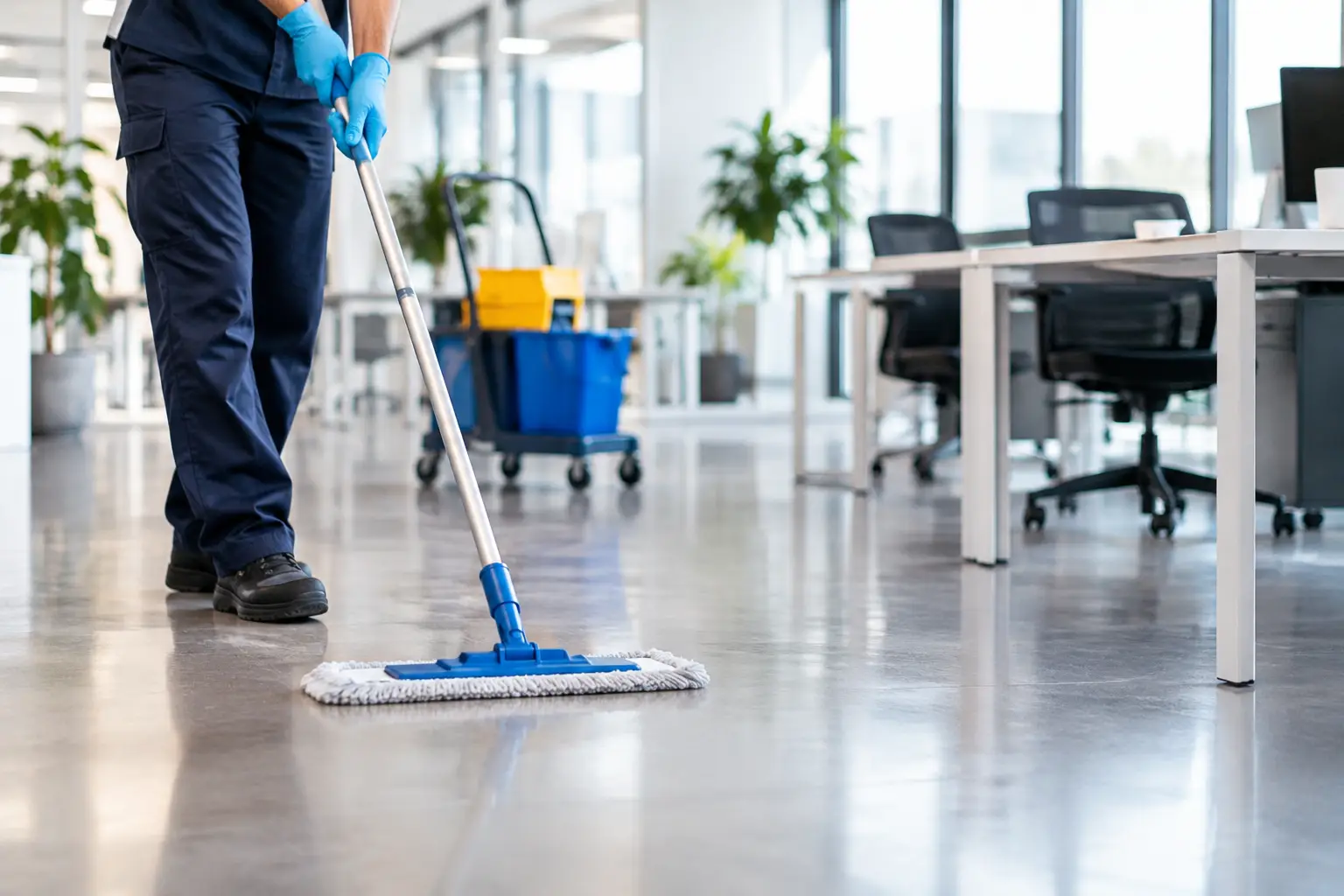
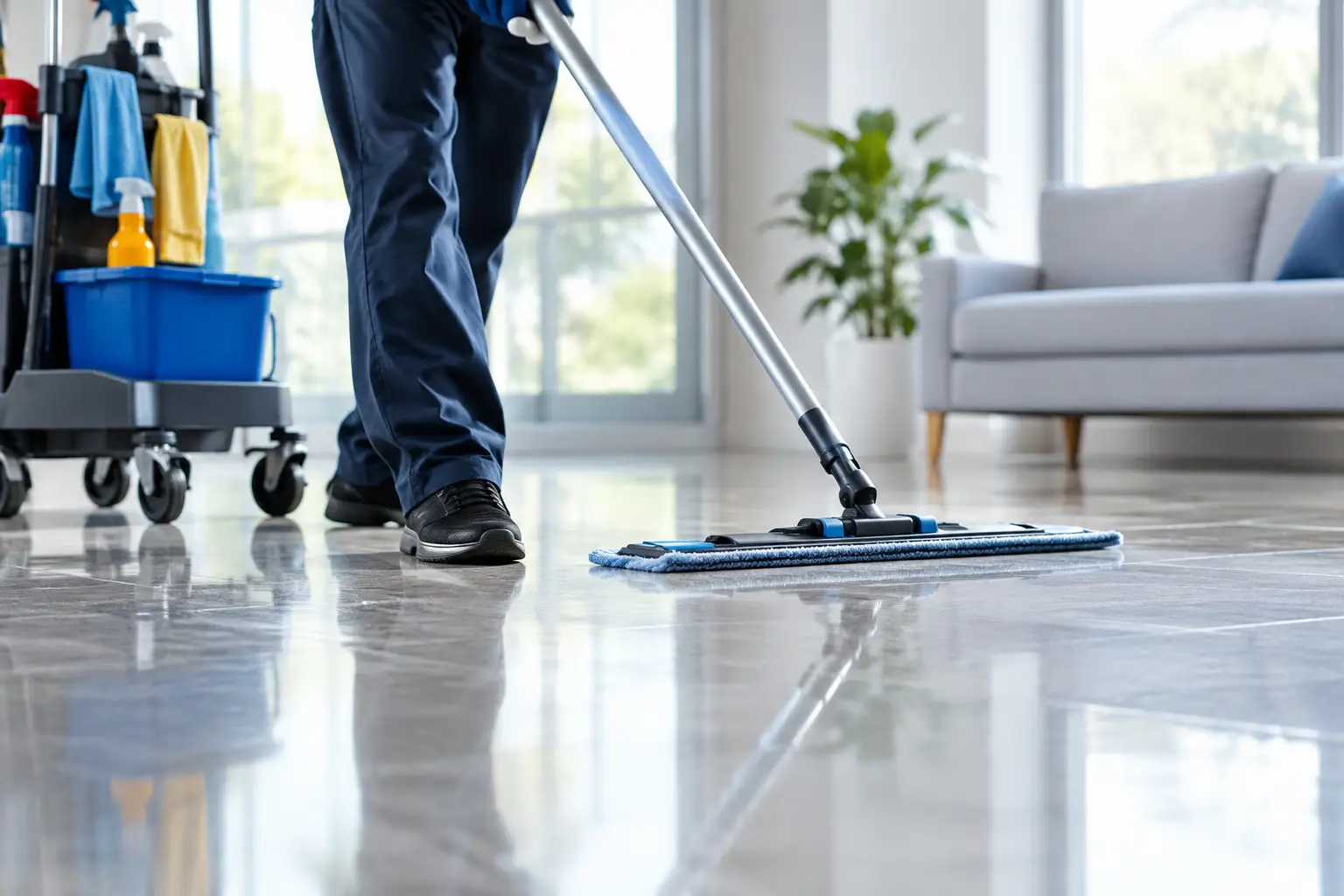
Hard floors need attention, too. Dry sweeping can stir dust into the air, so use a damp microfiber mop or cloth instead. Wipe horizontal surfaces, including window sills, ceiling fan blades, baseboards, and shelves, with a slightly damp microfiber cloth. Start high and work down so you are not redistributing dust onto surfaces you just cleaned.
Wash bedding once a week. Sheets, pillowcases, and blankets should be cleaned according to their care labels, using the warmest water the fabric safely allows. For people with dust mite sensitivities, allergen-barrier covers for mattresses and pillows can also help reduce contact with what accumulates inside those items over time.
Do not overlook the entryway. Place washable mats inside and outside exterior doors, and make shoe removal a household habit where practical. This small change can reduce the amount of pollen, soil, and outdoor debris tracked onto carpets and floors.
Give Carpets, Rugs, and Upholstery More Than a Surface Cleaning
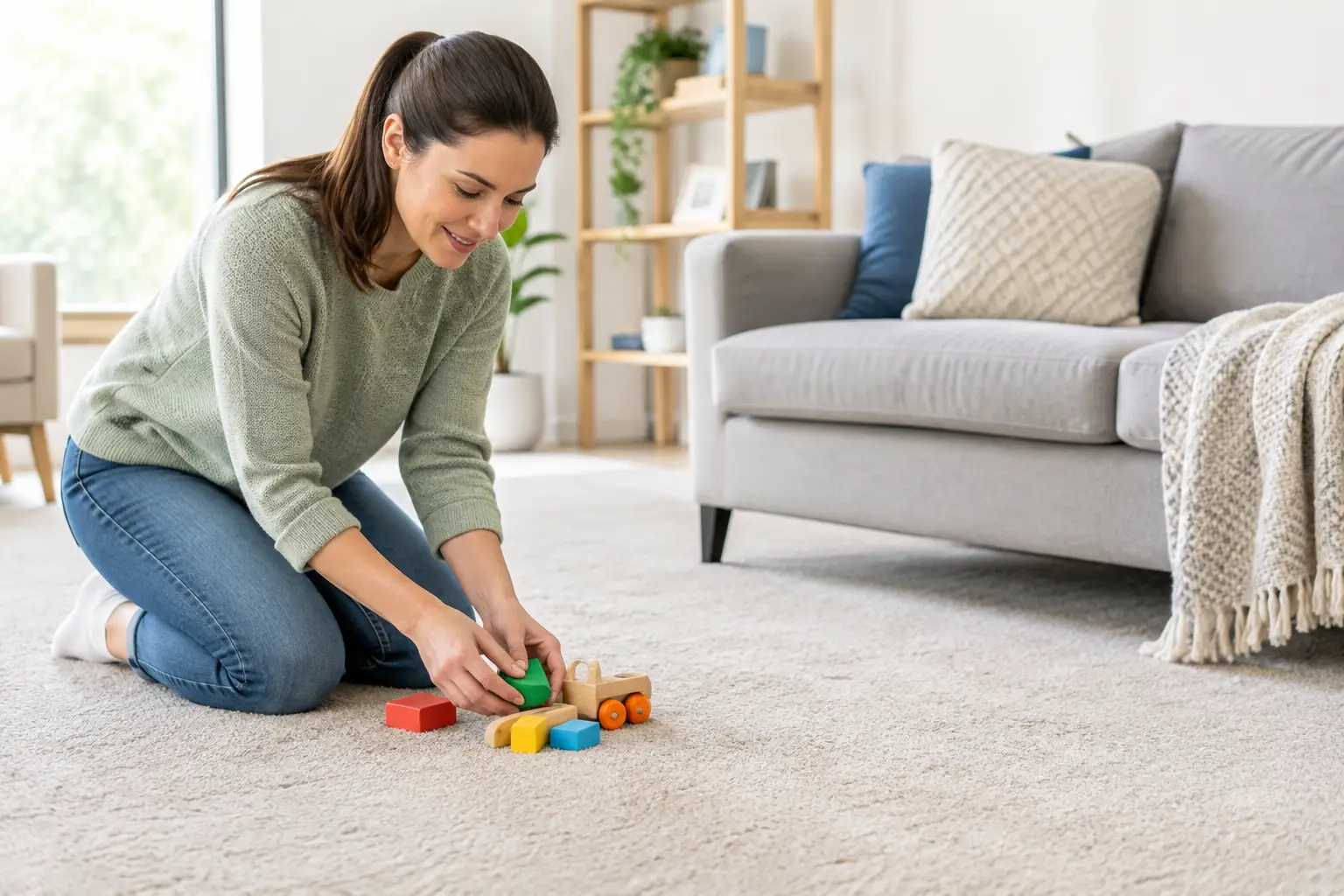
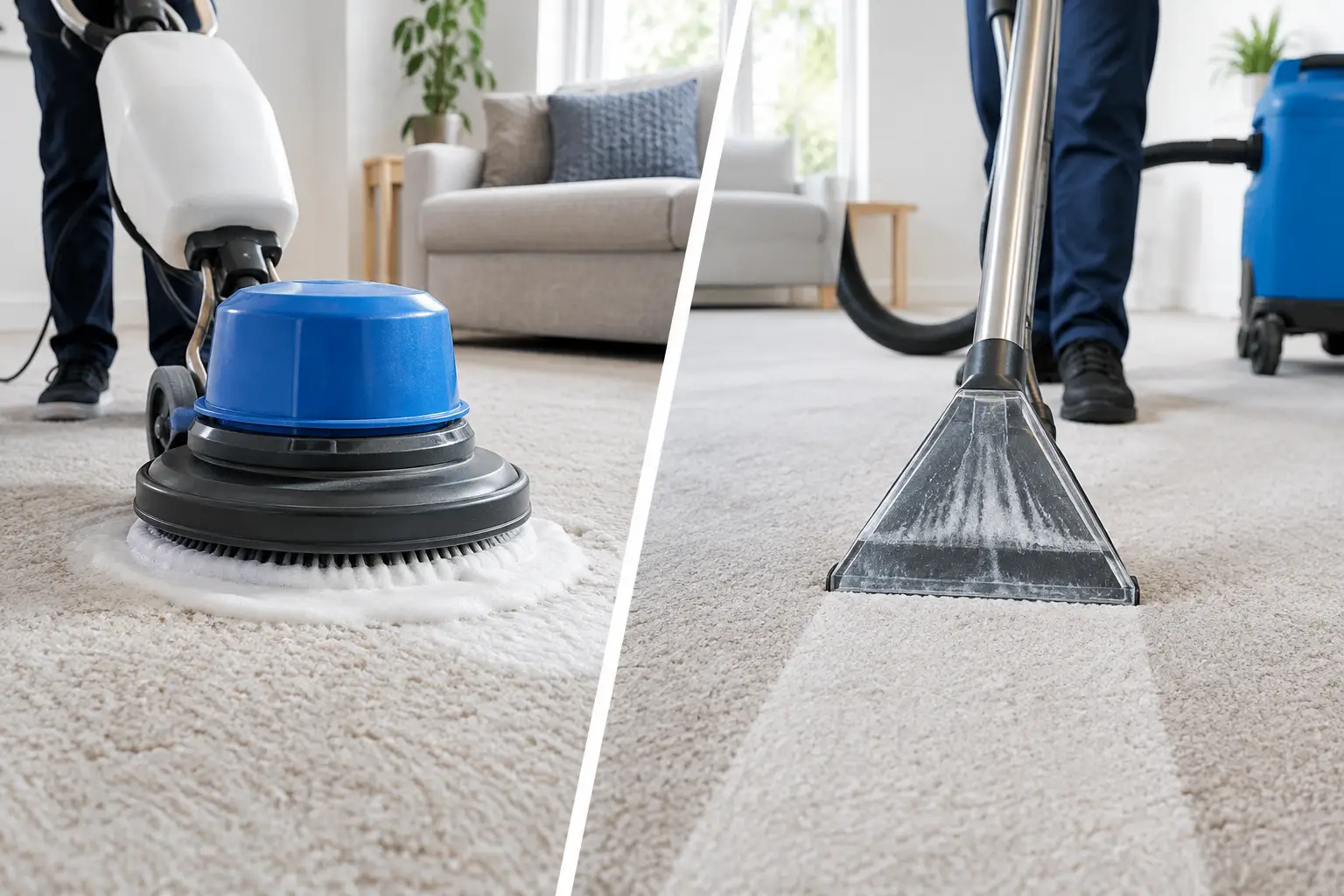
Carpet is not automatically a problem for people with allergies. It can hold particles rather than letting them circulate immediately through the room. The trade-off is that those particles need to be removed consistently. When carpet, rugs, and upholstery go too long without deep cleaning, foot traffic and everyday use can release settled debris back into the air.
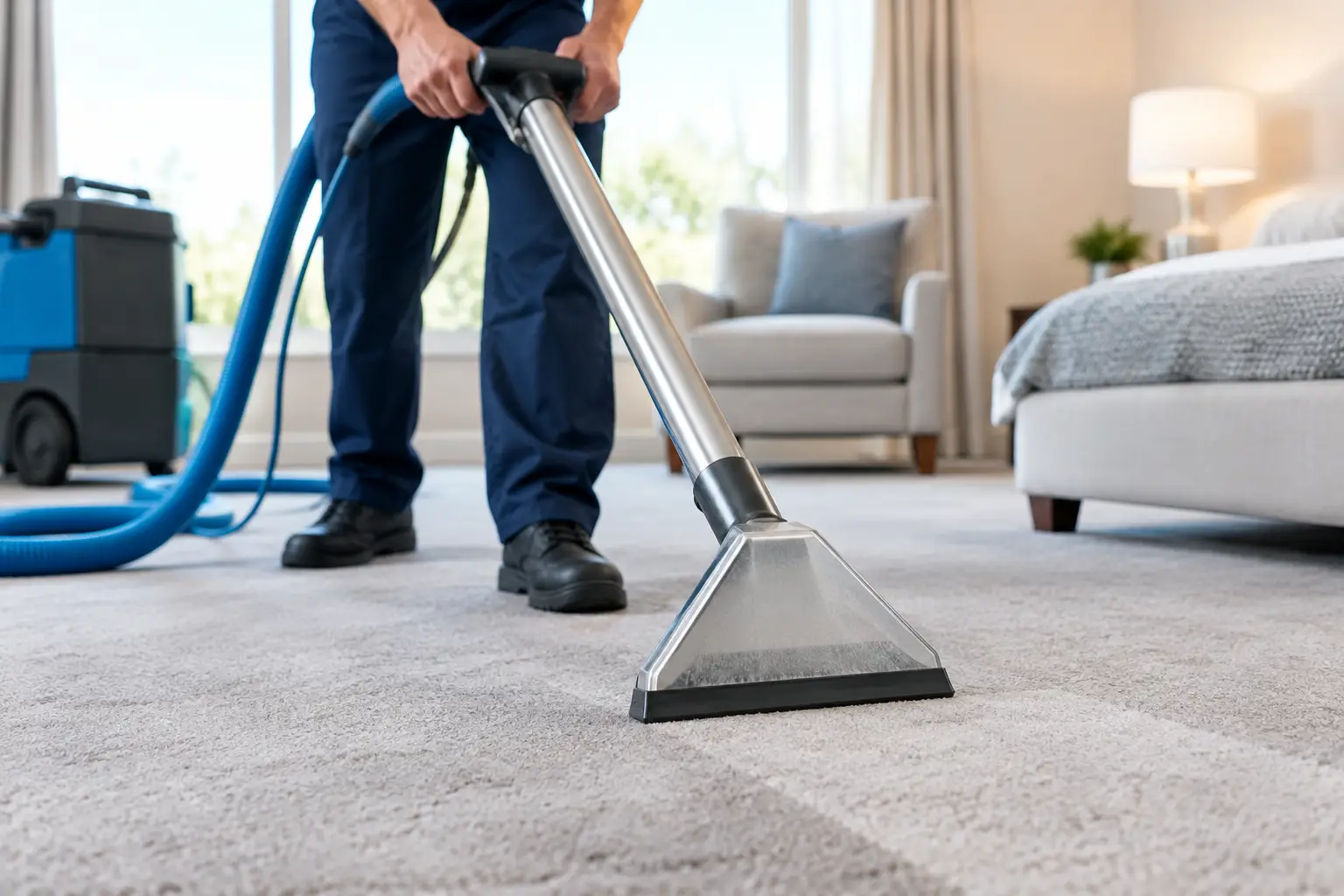
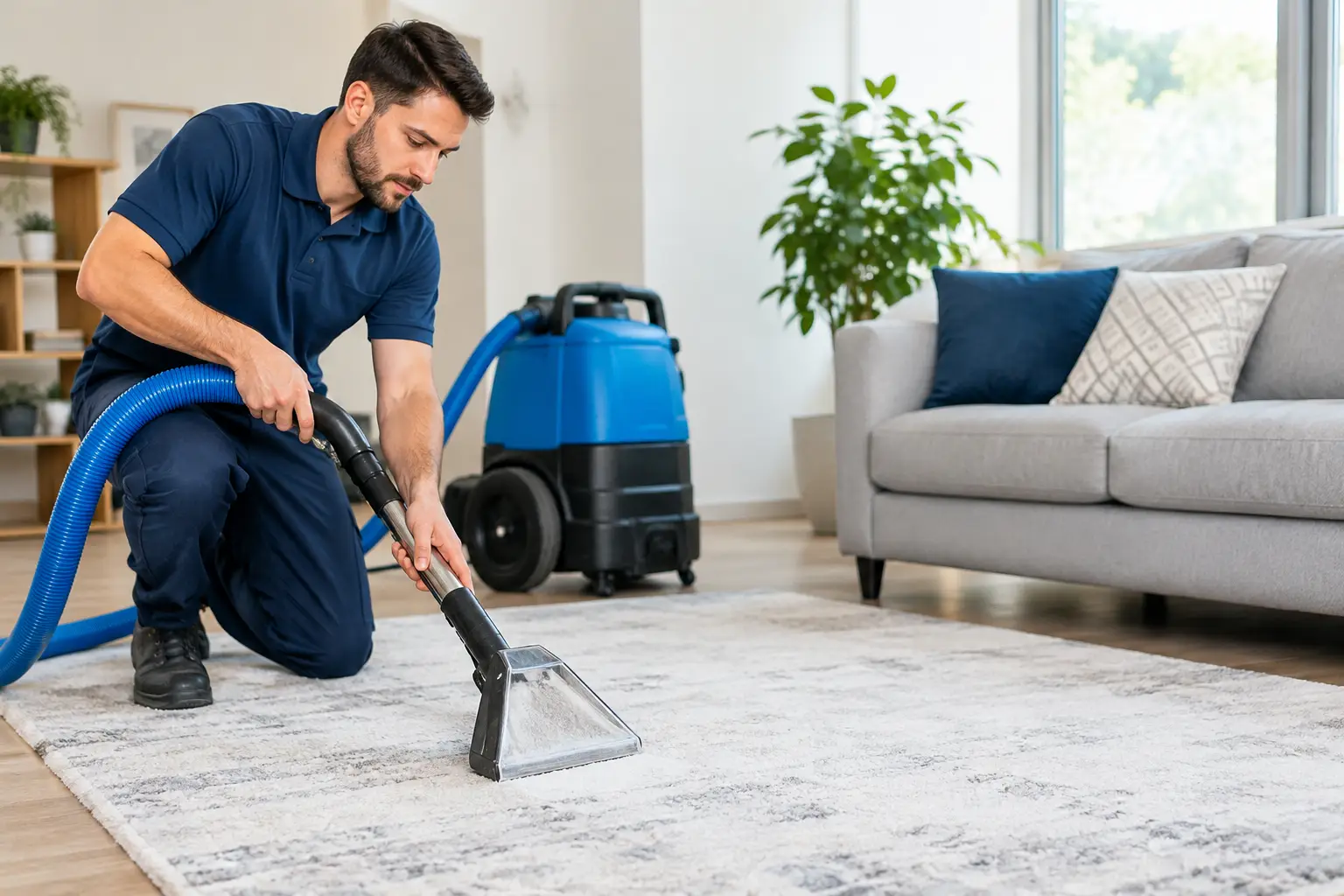
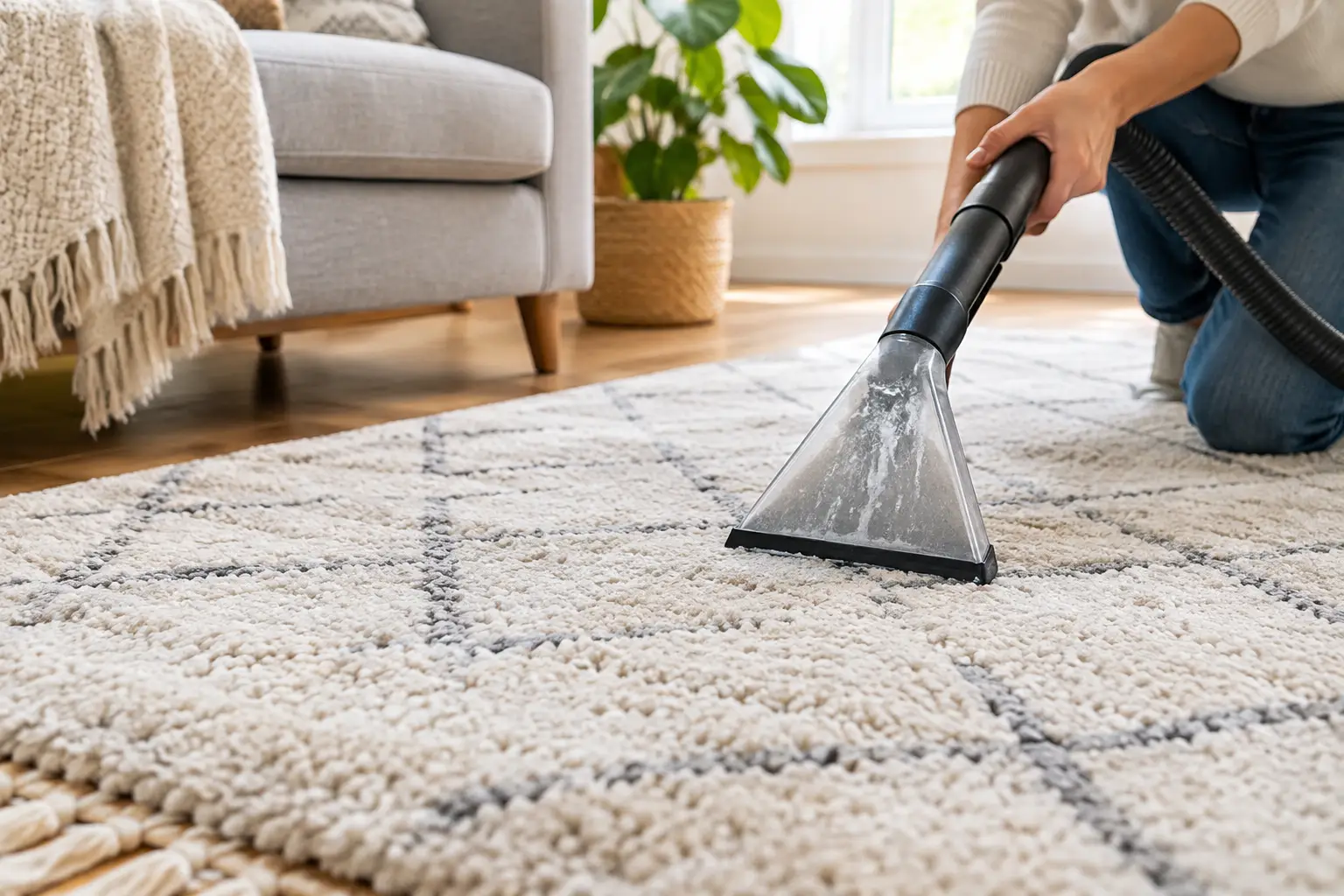
Professional cleaning is valuable when vacuuming is no longer enough, especially in homes with pets, children, frequent visitors, or heavy seasonal pollen. A thorough cleaning can remove embedded soil, pet hair, dander, and fine debris from carpet fibers and upholstered pieces. It also refreshes the spaces where your family spends the most time.
The right method depends on the material. Delicate Oriental and fine rugs should not be treated like wall-to-wall synthetic carpet. Wool, silk, antique textiles, and specialty upholstery require careful inspection and appropriate cleaning methods to avoid color bleeding, shrinkage, or texture changes. If a rug has odors, pet contamination, or signs of moth activity, address it promptly rather than covering the smell with a deodorizer.
Mattresses deserve the same consideration. They collect skin flakes, dust, and allergens over years of use, even beneath clean sheets. Periodic professional mattress cleaning can be a sensible part of an allergen-reduction plan, particularly for bedrooms where someone wakes up congested or sneezing.
Manage Airflow, Filters, and Humidity
Your HVAC system moves air through the home, so its filter matters. Check the filter monthly during high-use seasons and replace it according to the manufacturer’s recommendation or sooner if it looks heavily loaded. Choose a filter that your system can handle. A very dense filter may capture more small particles, but if it restricts airflow in an older system, it can create other problems. When in doubt, ask an HVAC professional what rating is appropriate for your equipment.
A portable air cleaner with a true HEPA filter can be useful in bedrooms or other rooms where allergy symptoms are most noticeable. Match the unit to the room size and run it consistently with doors and windows closed when outdoor pollen counts are high. Air cleaners help with airborne particles, but they do not replace vacuuming, laundering, or deep cleaning fabrics.
Humidity should generally stay moderate, often around 30% to 50%. Excess moisture supports mold growth and dust mites, while air that is extremely dry can irritate nasal passages. Use exhaust fans while bathing and cooking, repair plumbing leaks quickly, and make sure a basement or crawl space is properly managed if it tends to feel damp. A dehumidifier can help in a persistently humid basement, but it must be emptied and cleaned regularly so it does not become a source of mold itself.
Reduce Pollen and Pet Dander at the Source
During peak pollen days, keep windows closed when possible and use air conditioning if available. Showering and changing clothes after yardwork, sports, or time outdoors keeps pollen from being transferred to beds, sofas, and pillows. Wipe pets with a pet-safe cloth after walks, and wash their bedding often.
You do not necessarily need to keep pets out of every room. For many families, a more realistic and effective approach is to keep pets out of bedrooms, especially off beds and upholstered sleeping furniture. This creates at least one lower-allergen space for rest. Frequent grooming can also reduce loose hair and dander, although bathing schedules should be appropriate for the animal’s skin and coat.
Avoid adding unnecessary dust collectors to rooms where allergies are a concern. Heavy curtains, piles of decorative pillows, stuffed animals, and cluttered open shelving all take more effort to clean. You do not need a bare home. You need furnishings that can be vacuumed, laundered, or professionally cleaned on a dependable schedule.
When a Deep Clean Is Worth Scheduling
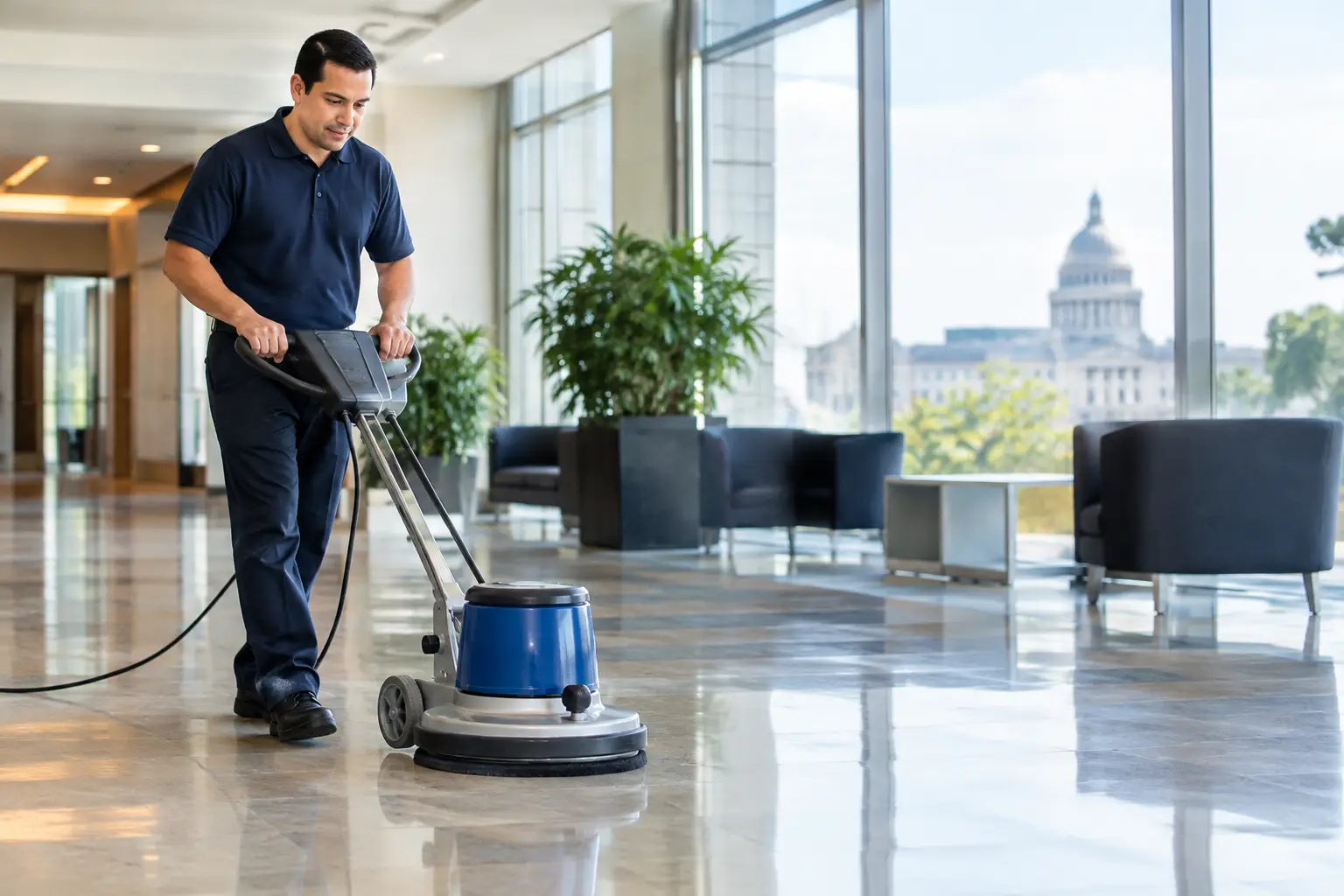
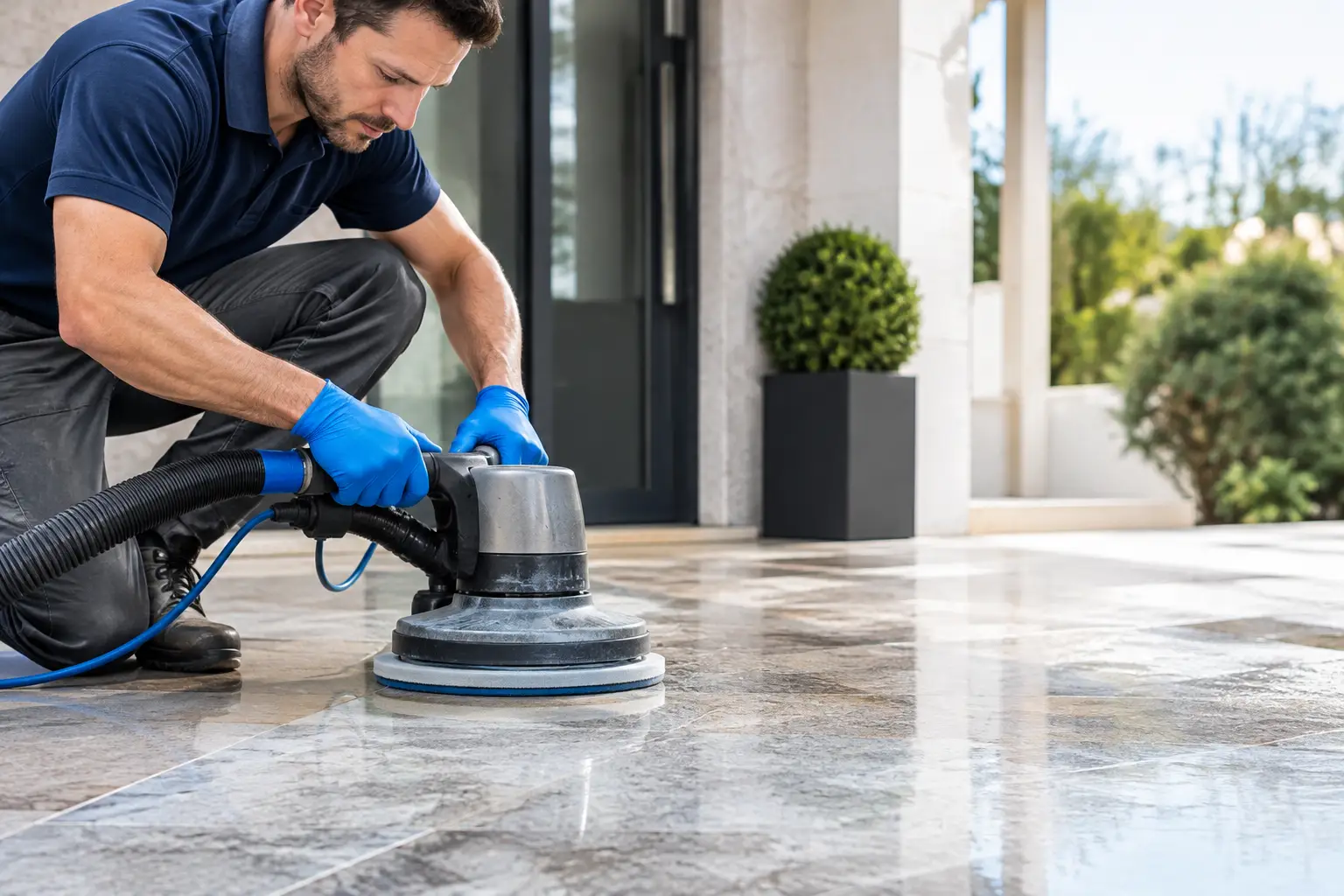
Consider professional service after a long winter, before the start of a heavy allergy season, after a pet accident, or when a home has had renovation dust, water exposure, or an extended period without maintenance. Property managers may also find that carpet, upholstery, and hard-surface cleaning between tenants helps create a fresher, more presentable space while removing the debris left behind by daily use.
At Hoffman Carpet Cleaning, trained technicians can help homeowners and businesses address the fabric and floor surfaces that routine cleaning cannot fully reach. The best results come from matching the service to the material, the soil level, and the concerns in the space – not from choosing the lowest-priced quick fix.
A healthier indoor environment is built one repeatable habit at a time. Keep allergens from coming in, remove what settles, and schedule deeper care before carpets, rugs, upholstery, and mattresses become reservoirs for the particles you are trying to avoid.