A wool rug can look surprisingly clean on the surface while holding grit deep in its pile. That matters because abrasive soil acts like sandpaper every time someone walks across it. Knowing how to clean wool rugs properly protects the color, softness, and structure that made the rug worth bringing home in the first place.
Wool is naturally durable and soil-resistant, but it is not a material that responds well to aggressive DIY cleaning. Too much water, the wrong cleaner, excessive scrubbing, or rushed drying can lead to color bleeding, browning, shrinkage, lingering odors, and a stiff or distorted texture. A careful maintenance routine handles everyday messes safely, while deeper cleaning is often best left to trained rug-care professionals.
How to Clean Wool Rugs at Home Safely
The safest approach is gradual: remove dry soil first, address spills immediately, and use as little moisture as possible. Before applying any product, check the rug’s care label if one is available. Antique, hand-knotted, Oriental, silk-blend, viscose-blend, and rugs with unstable dyes deserve extra caution.
Start with gentle, regular vacuuming
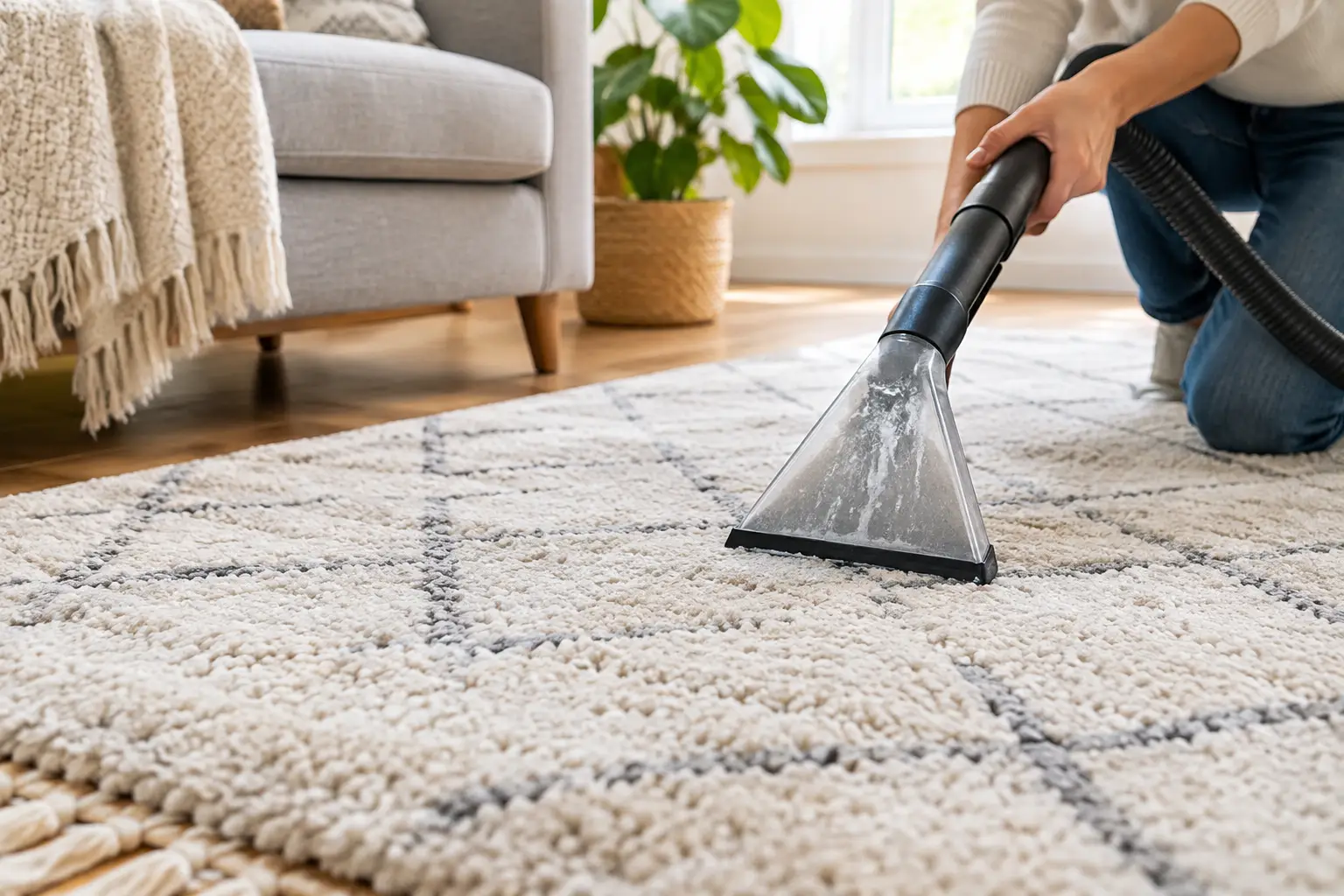
Vacuuming is the most useful step you can take between professional cleanings. Use a vacuum without an aggressive beater bar, especially on a looped, handwoven, fringed, or delicate wool rug. A suction-only setting helps remove loose dirt without pulling fibers or catching the fringe.
Vacuum in both directions once a week in normal-use rooms and more often near entryways, dining tables, or pet areas. For removable rugs, vacuum the back as well. Then carefully take the rug outside and shake it, or lightly vacuum underneath it, to remove the grit that settles through the pile.
Do not vacuum fringe with the machine head. Use the upholstery attachment or gently shake the fringe by hand. If a vacuum starts lifting fibers or snagging loops, stop and switch to a lower-suction tool.
Blot spills right away
A fresh spill is much easier to manage than a stain that has dried into the fibers. Place a clean, white cotton towel or plain white paper towels over the spill and press down firmly. Replace the towel as it absorbs moisture. Keep blotting until little or no transfer remains.
Avoid rubbing. Scrubbing pushes liquid deeper into the rug and can roughen wool fibers, spread the stain, or create a fuzzy-looking spot. Work from the outside edge toward the center so the spill does not expand.
For a water-based spill, lightly dampen a clean white cloth with cool water and continue blotting. Never soak the rug. If needed, use a small amount of a pH-neutral cleaner specifically labeled safe for wool. Test it first on an inconspicuous area, then use only enough solution to treat the spot.
Handle dry debris before adding moisture
Mud, food crumbs, wax, and pet messes often become harder to remove when they are smeared while wet. Let mud dry fully, then gently loosen it with a soft brush or the edge of a spoon before vacuuming. Lift solid food or pet waste carefully with a spoon or dull knife, then blot the remaining moisture.
For wax, place a plain white cloth over the affected area and apply a warm, not hot, iron briefly. The wax should transfer to the cloth. Move to a clean section of cloth and repeat as needed. Because heat and dyes can be unpredictable on wool rugs, stop if you see color transfer or if the rug has a delicate, antique, or unknown construction.
Treat pet accidents with restraint
Pet urine requires more than surface cleaning because odor can remain in the rug foundation or padding beneath it. Blot up as much liquid as possible immediately. Then use a wool-safe odor treatment sparingly and allow the area to dry completely with good air circulation.
Skip ammonia-based products, bleach, and heavily fragranced cleaners. They can damage fibers, affect dyes, or mask an odor without removing its source. If the accident is old, recurring, or has reached the backing or floor underneath, professional treatment is the more dependable option.
What Not to Use on Wool Rugs
The wrong cleaning method can cause more damage than the original spot. Wool does not need harsh chemistry to look better, and stronger is rarely better with natural fibers.
Avoid these common mistakes:
- Bleach, ammonia, oxygen boosters, and high-alkaline carpet cleaners
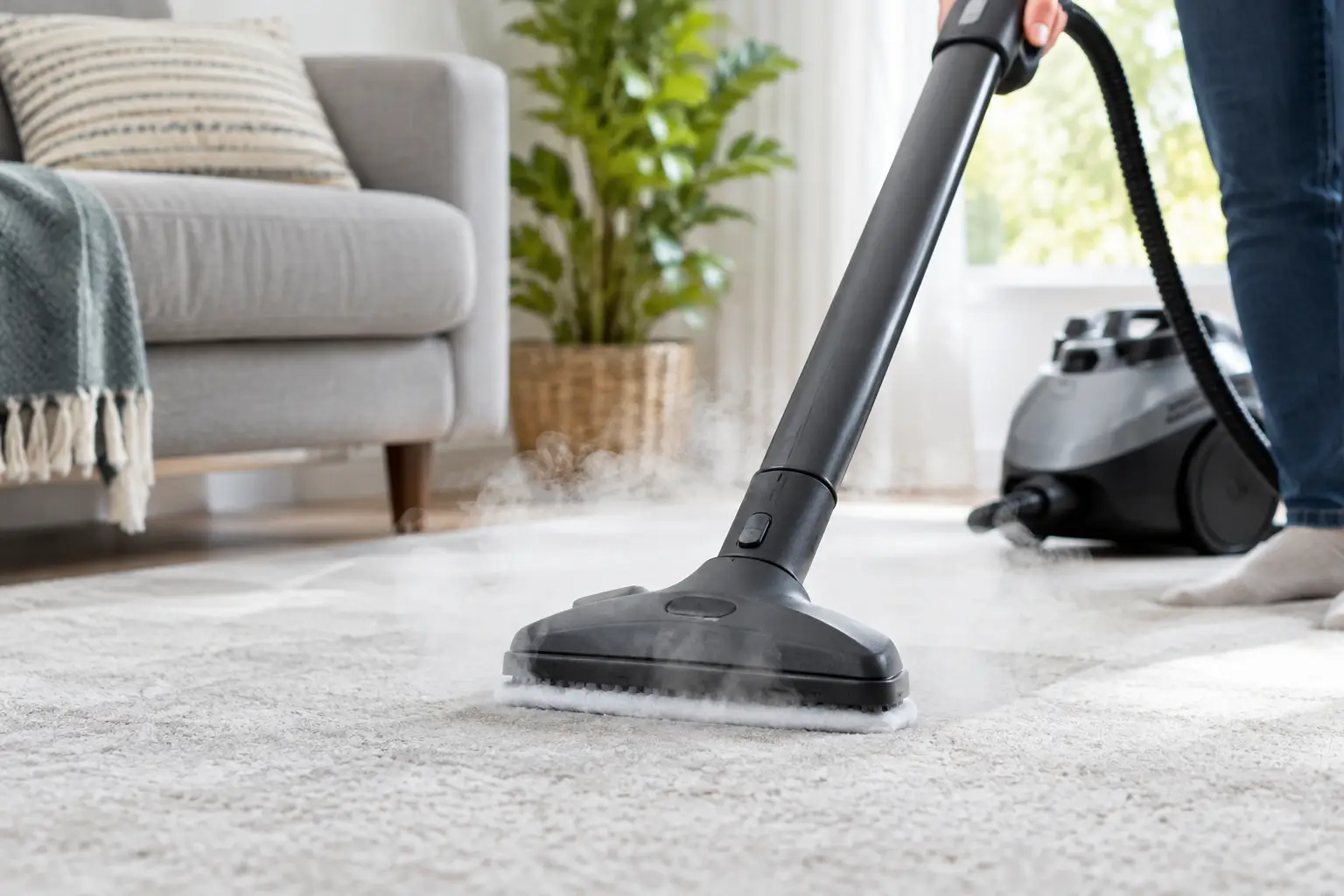
- Hot water or steam applied directly to the rug
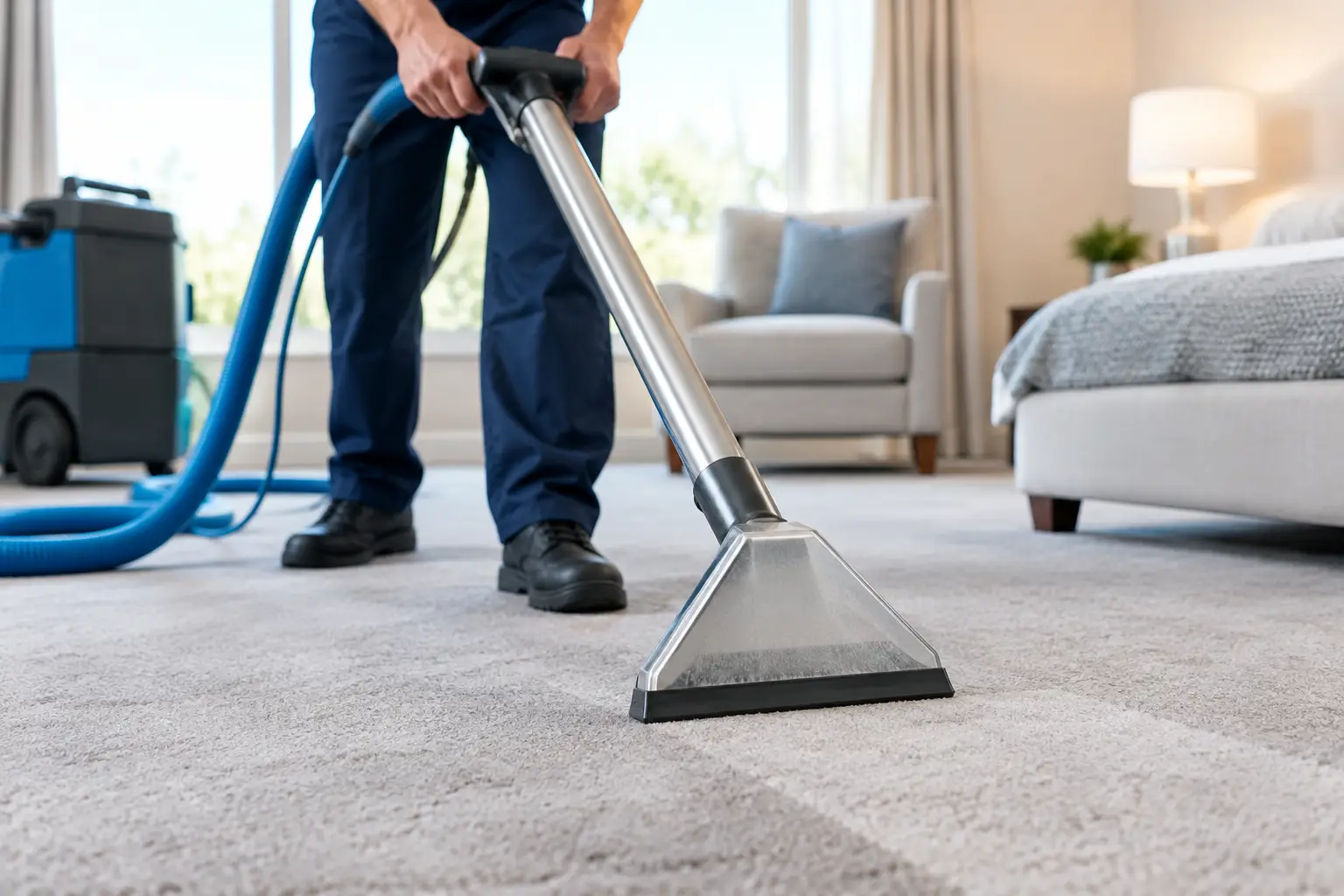
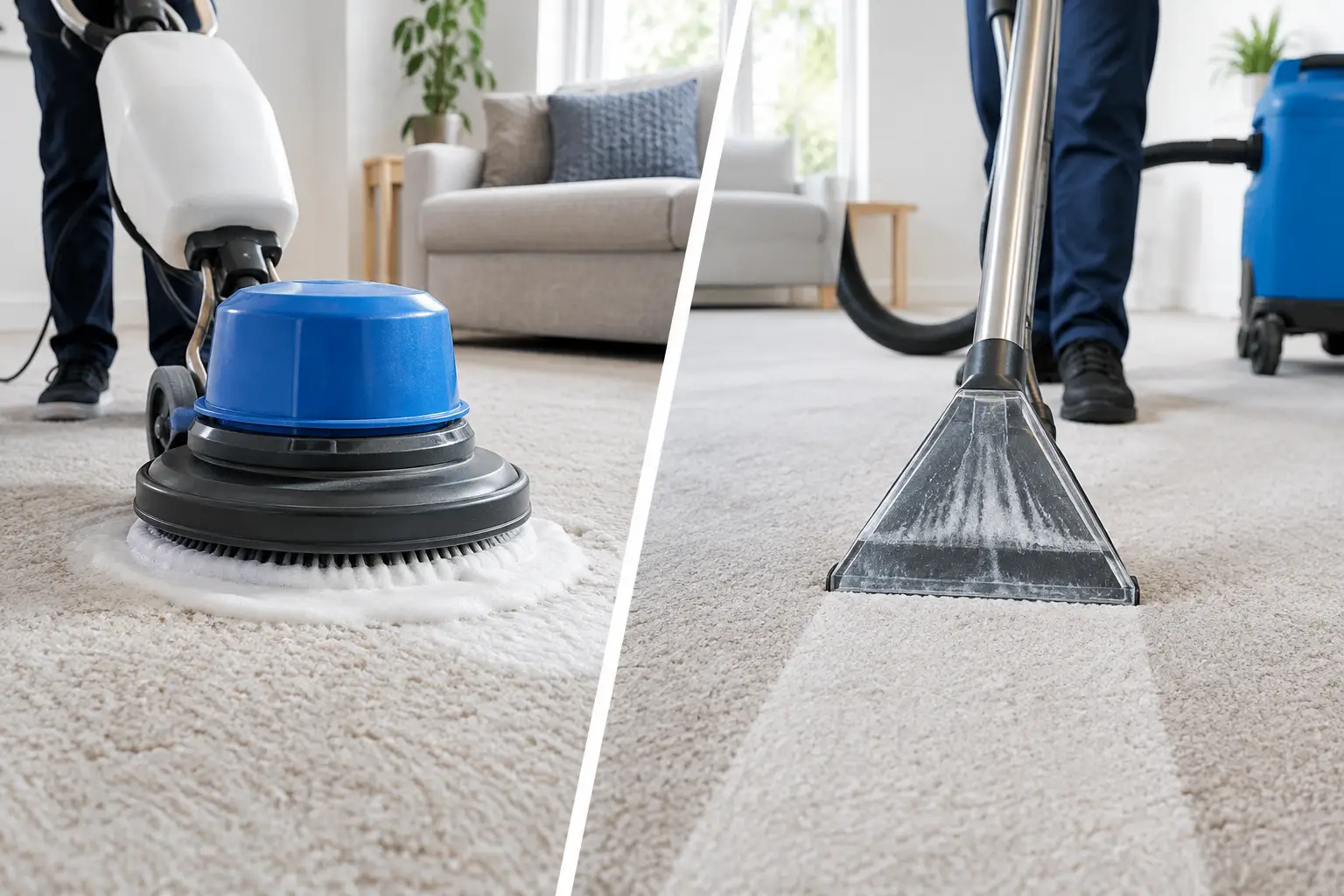
- Saturating the rug with a rental shampoo machine or garden hose
- Stiff brushes, vigorous scrubbing, and high-speed rotary tools
- Colored towels that could transfer dye onto damp fibers
- Leaving a cleaned area damp for hours without airflow
Many rental carpet machines use more water than a wool rug can safely release in a home setting. The rug may feel dry on top while moisture remains in the backing, creating odor, dye migration, or mildew risk. This is especially concerning during a damp Capital Region winter, when indoor drying can take much longer.
Drying a Wool Rug Properly
After spot cleaning, press dry towels into the area to remove as much moisture as possible. Place the rug where air can circulate freely and use fans if needed. Keep the rug flat while it dries to help it hold its shape.
Do not fold, roll, or place furniture back on a damp area. Avoid direct high heat from a space heater or hair dryer, which may shrink or harden fibers. If you notice a yellow-brown ring, a musty odor, rippling, or colors beginning to run, stop home treatment and arrange professional inspection.
When a Wool Rug Needs Professional Cleaning
Routine vacuuming and careful spill response are appropriate for most households. Deep cleaning is different. Fine wool rugs can contain multiple fiber types, hand-dyed yarns, cotton foundations, delicate fringe, and prior cleaning residues that require a controlled process.
Professional care is a wise choice when a rug has widespread traffic soil, pet odor, heavy staining, moth concerns, smoke exposure, water damage, or a lingering musty smell. It is also the safer route for heirloom rugs, hand-knotted Oriental rugs, and any rug with bleeding dyes or unknown materials.
A proper rug-cleaning process begins with inspection, including fiber identification, dye stability, construction, and the nature of the soil or stain. The rug can then be dusted to remove embedded dry grit, treated with methods appropriate for wool, washed in a controlled setting when suitable, and thoroughly dried before return. That level of care is difficult to reproduce with household products.
For homeowners and property managers in the Albany-to-Saratoga area, Hoffman Carpet Cleaning provides professional fine and Oriental rug care with pickup and delivery. It is a practical option when a rug needs more than a surface refresh, particularly when protecting a valuable piece matters more than choosing the quickest or lowest-cost method.
Keep Wool Rugs Looking Better Between Cleanings
Small habits make a real difference. Use a quality rug pad to reduce slipping, cushion foot traffic, and limit wear from the floor beneath. Rotate the rug every six to twelve months so sunlight and foot traffic do not fade or flatten one section faster than another.
Place mats near exterior doors, ask guests to remove wet shoes during snow and rain, and address spills before they become a weekend project. If furniture leaves dents, gently lift the pile with a spoon after lightly humidifying the area, but do not soak it.
A well-cared-for wool rug does not need constant intervention. It needs dry soil removed regularly, spills treated calmly, and professional help before a deep problem becomes permanent. That measured approach keeps the rug comfortable underfoot and presentable in the rooms where your home does its everyday living.