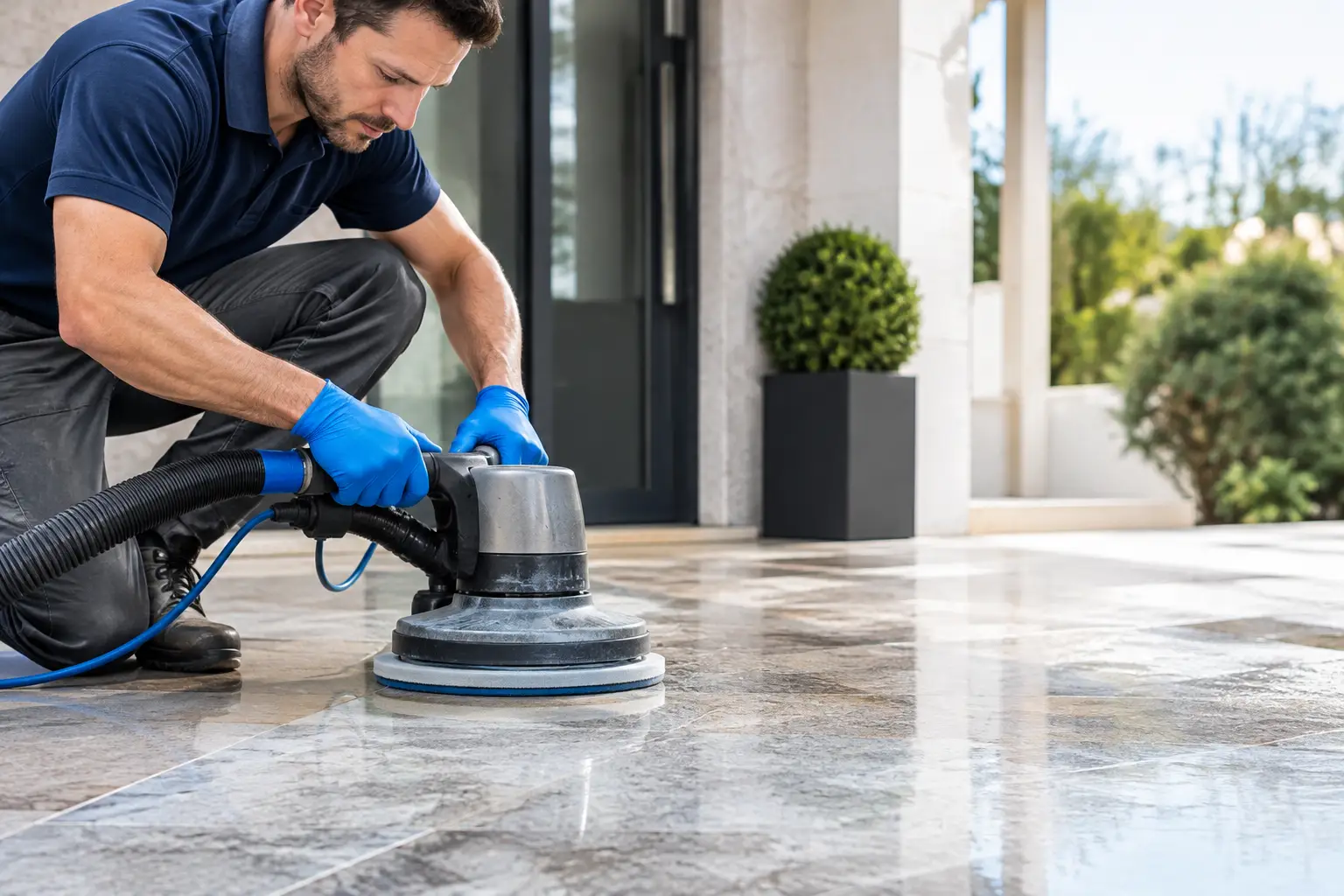
A cloudy marble vanity, a dull slate entryway, or a travertine floor with darkened grout can make an otherwise well-kept property feel worn before its time. Stone restoration is not just about making a surface shine again. Done correctly, it addresses the specific damage affecting the stone while helping preserve its natural character, value, and service life.
Natural stone is durable, but it is not maintenance-free. The right approach depends on the stone type, its finish, where it is installed, and what has caused the change in appearance. A one-size-fits-all cleaner can leave behind residue, worsen etching, or damage a protective sealer. That is why homeowners, property managers, and businesses in the Capital Region benefit from a professional evaluation before treating a stone surface.
What Stone Restoration Can Address
Stone surfaces change over time for several reasons. Foot traffic carries in grit that slowly wears down a polished finish. Hard water leaves mineral deposits on shower walls and vanity tops. Food acids, cleaning products, and pet accidents can mark sensitive materials. In busy commercial spaces, the problem is often a combination of traffic soil, scratched finishes, and neglected maintenance.
Professional stone restoration may correct dullness, embedded soil, light scratching, etching, staining, and uneven appearance. It can also include cleaning, honing, polishing, grout attention, and applying an appropriate protective sealer. The goal is not to create an unnatural high gloss on every surface. It is to restore a clean, consistent appearance that fits the material and the customer’s expectations.
For example, polished marble may need etch removal and refinishing to bring back clarity. Honed marble is meant to have a softer, satin-like appearance, so a mirror shine would not be the right result. Slate often needs careful deep cleaning and sealing to improve color and make routine care easier. Travertine may need cleaning and targeted repair around pits or filled areas. The material tells us what it needs.
Why Stone Loses Its Finish
Many people assume a stone floor looks dull because it needs more cleaner. Often, the opposite is true. Repeated use of the wrong product can build up films that attract soil and hide the stone’s natural look. Soaps, waxes, oil-based products, and harsh chemicals can all create problems depending on the surface.
Etching is another common source of confusion. On marble, limestone, and other calcium-based stone, acidic products can chemically alter the surface. Lemon juice, vinegar, some bathroom cleaners, and even certain drinks can leave pale, dull marks. These marks are not always stains, so stain remover alone will not fix them. The affected area may need professional honing or polishing to level and refinish the surface.
Scratches create a different issue. Fine scratches scatter light, making polished stone appear hazy. Deeper scratches may require more involved work. A professional technician should determine whether the surface can be improved safely without removing more material than necessary.
When Cleaning Is Enough and When Restoration Is Needed
Not every stone surface needs a full restoration. If the issue is routine soil, light residue, or an old sealer that needs refreshing, a professional cleaning and protection service may be the practical choice. It can provide a noticeable improvement while keeping the scope and cost appropriate for the condition of the surface.
Restoration becomes more worthwhile when damage has changed the stone itself. Examples include widespread etching on a marble floor, a consistently dull traffic path, scratches that interrupt the finish, uneven polish, or staining that has settled below the surface. In these cases, simply applying sealer or using a stronger cleaner can disappoint because neither treatment repairs a damaged finish.
It also depends on the property. A homeowner preparing for guests may want a kitchen floor brought back to a clean, even appearance. A property manager may need lobby stone to look professional without disrupting tenants. A business owner may prioritize safer, cleaner-looking floors and a maintenance plan that limits downtime. A qualified provider should explain the likely result clearly instead of promising that every mark will disappear.
A Professional Stone Restoration Process
A careful process starts with identification. Marble, granite, limestone, travertine, slate, terrazzo, and engineered stone do not respond the same way to cleaners, abrasives, or sealers. The technician should inspect the surface, identify visible concerns, and discuss what level of improvement is realistic.
The next step is controlled cleaning. Professional-grade methods remove soil and residue without relying on overly aggressive chemicals. For floors, this may include detailed work along edges, corners, and grout lines where buildup collects. For countertops, showers, or vanities, the work should account for nearby fixtures, cabinetry, and walls.
If the finish needs correction, honing or polishing may follow. Honing uses specialized abrasives to remove a very thin layer of damaged material and create a more uniform finish. Polishing refines the surface further when a higher level of reflectivity is appropriate. This is skilled work: excessive abrasion, uneven pressure, or unsuitable products can leave an inconsistent result.
Once the stone is clean and properly finished, sealing may help protect it from absorbing spills and everyday contaminants. Sealers are helpful, but they are not a guarantee against stains or damage. They reduce absorption time, giving you a better chance to wipe up a spill before it penetrates. They also do not prevent etching from acidic products on marble or limestone.
Everyday Care That Helps Stone Stay Beautiful
After professional service, simple routines make a real difference. Sweep or dust-mop stone floors regularly so abrasive grit is not ground into the finish. Use entry mats at exterior doors, especially during New York’s wet, snowy seasons. Wipe spills promptly with a soft cloth, and use a cleaner made for natural stone rather than a generic acidic or abrasive product.
Avoid vinegar, lemon-based cleaners, bleach-heavy solutions, and scouring powders unless the product is specifically approved for your stone. Skip wet, dirty mop water that spreads residue from one area to another. On counters and vanities, use coasters under drinks and avoid leaving acidic foods directly on sensitive stone.
For commercial spaces, routine maintenance is often the best investment. Consistent cleaning, matting, and timely attention to spills can extend the time between larger restoration services. It also helps customer-facing stone surfaces continue to reflect the care you put into the rest of the property.
Choosing a Local Stone Care Provider
Stone work should be evaluated on more than the lowest quote. Ask whether the company works with your specific material, how it will protect surrounding areas, what result is realistic, and whether it stands behind the work. Clear communication matters, particularly when a surface has permanent damage or when a customer is deciding between cleaning, restoration, and replacement.
Hoffman Carpet Cleaning provides professional stone cleaning and marble polishing with the respectful, accountable service local customers expect. Our technicians arrive prepared to assess the surface, explain the recommended approach, and treat your home or business with care. If you are unhappy with the service, our satisfaction guarantee means we will return to make it right or provide a full refund.
A stone surface does not have to look brand new to look cared for. With the right professional treatment and sensible maintenance, it can regain the clean, polished, welcoming appearance that makes a room feel complete.