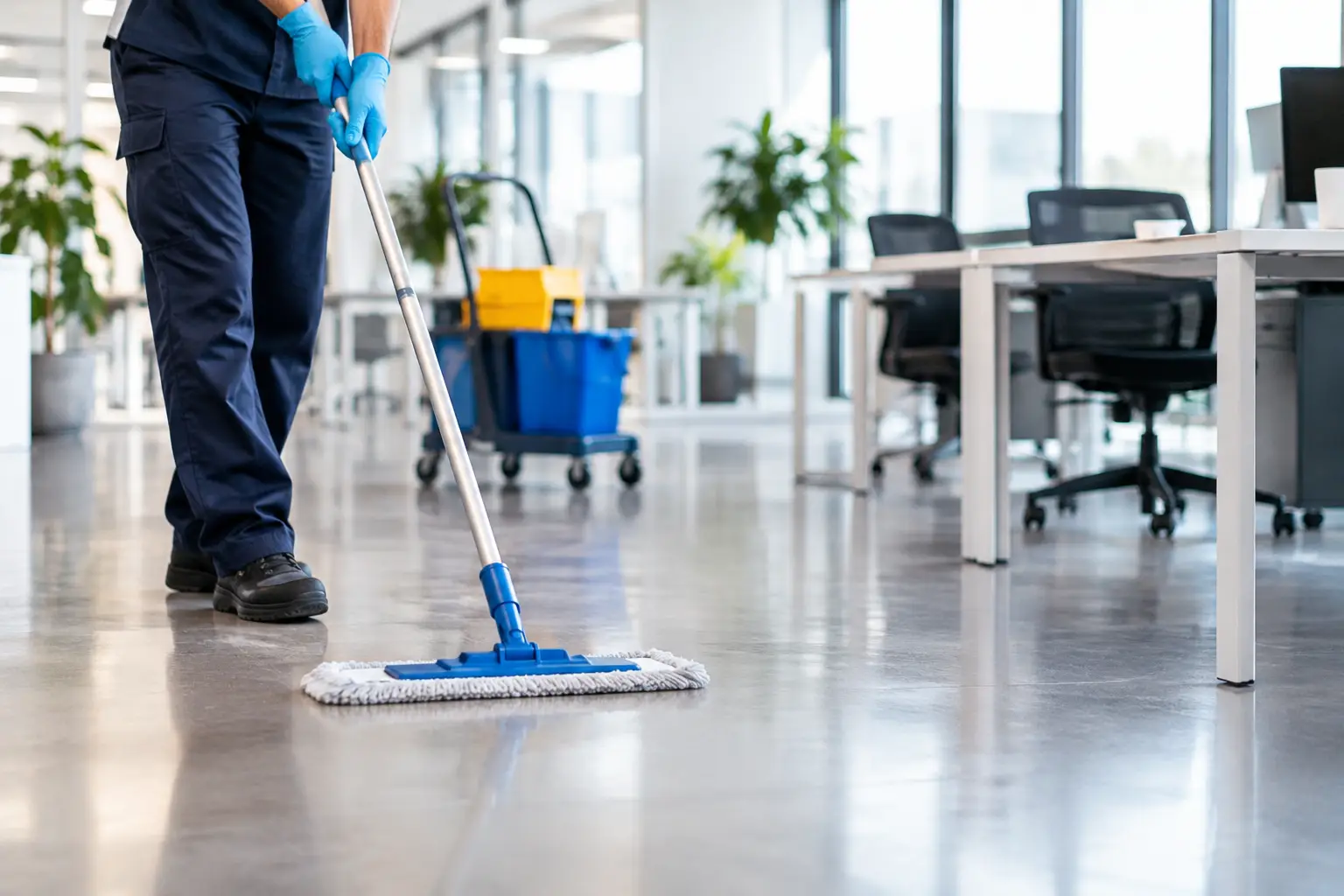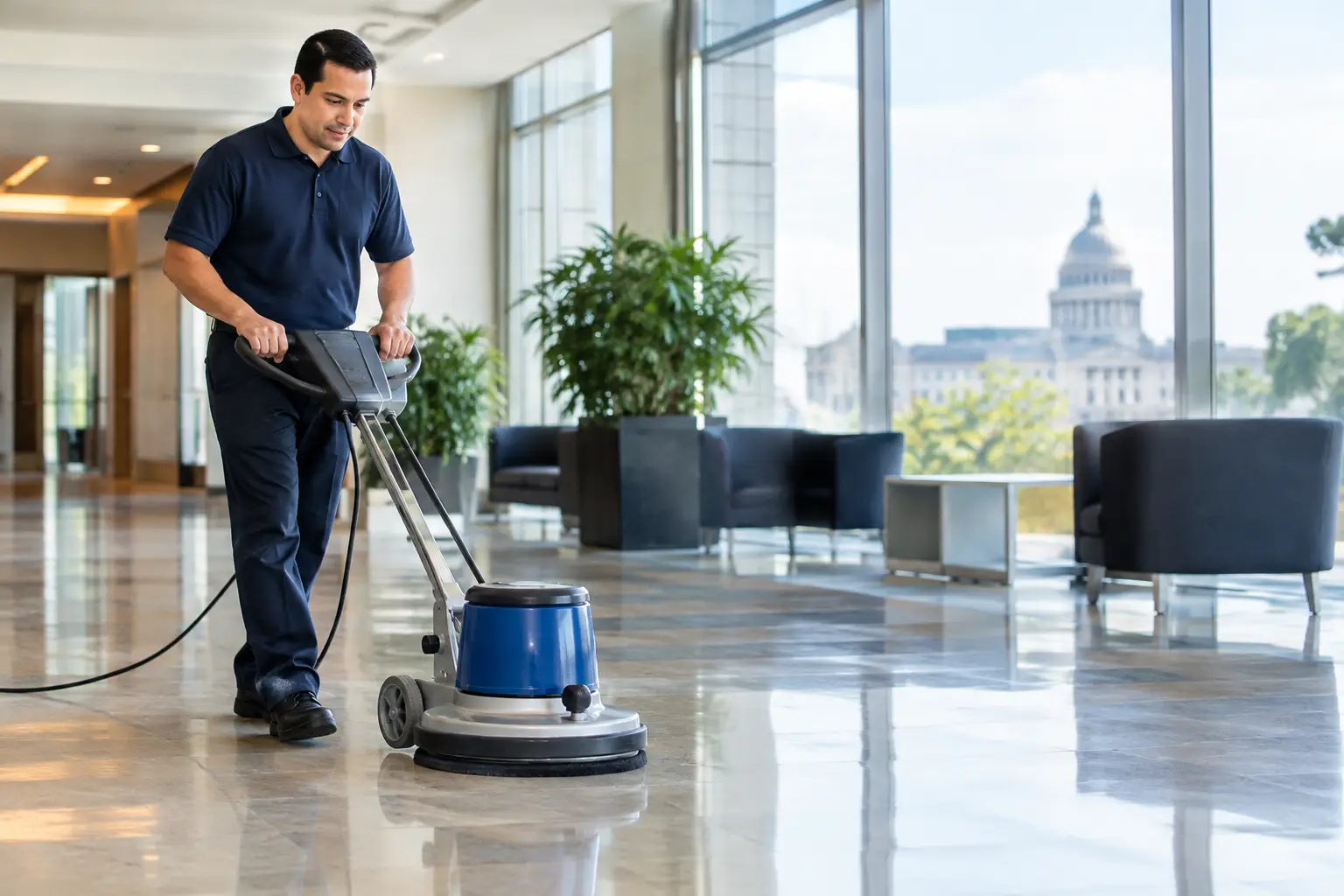
A carpet can look vacuumed and still hold the evidence of daily life: winter salt near the entry, a pet’s favorite resting spot, spilled coffee in the family room, and fine grit tracked in from outside. When comparing carpet shampooing versus extraction methods, the real question is not which name sounds better. It is which process matches your carpet’s soil level, fiber type, stains, and drying needs.
For most homes and businesses in the Albany-to-Saratoga area, a professional evaluation is the best place to start. The wrong approach can leave behind sticky residue, over-wet carpet, or stains that reappear as the fibers dry. The right one removes soil while treating your home, furnishings, and schedule with care.
Carpet Shampooing Versus Extraction Methods: The Basic Difference
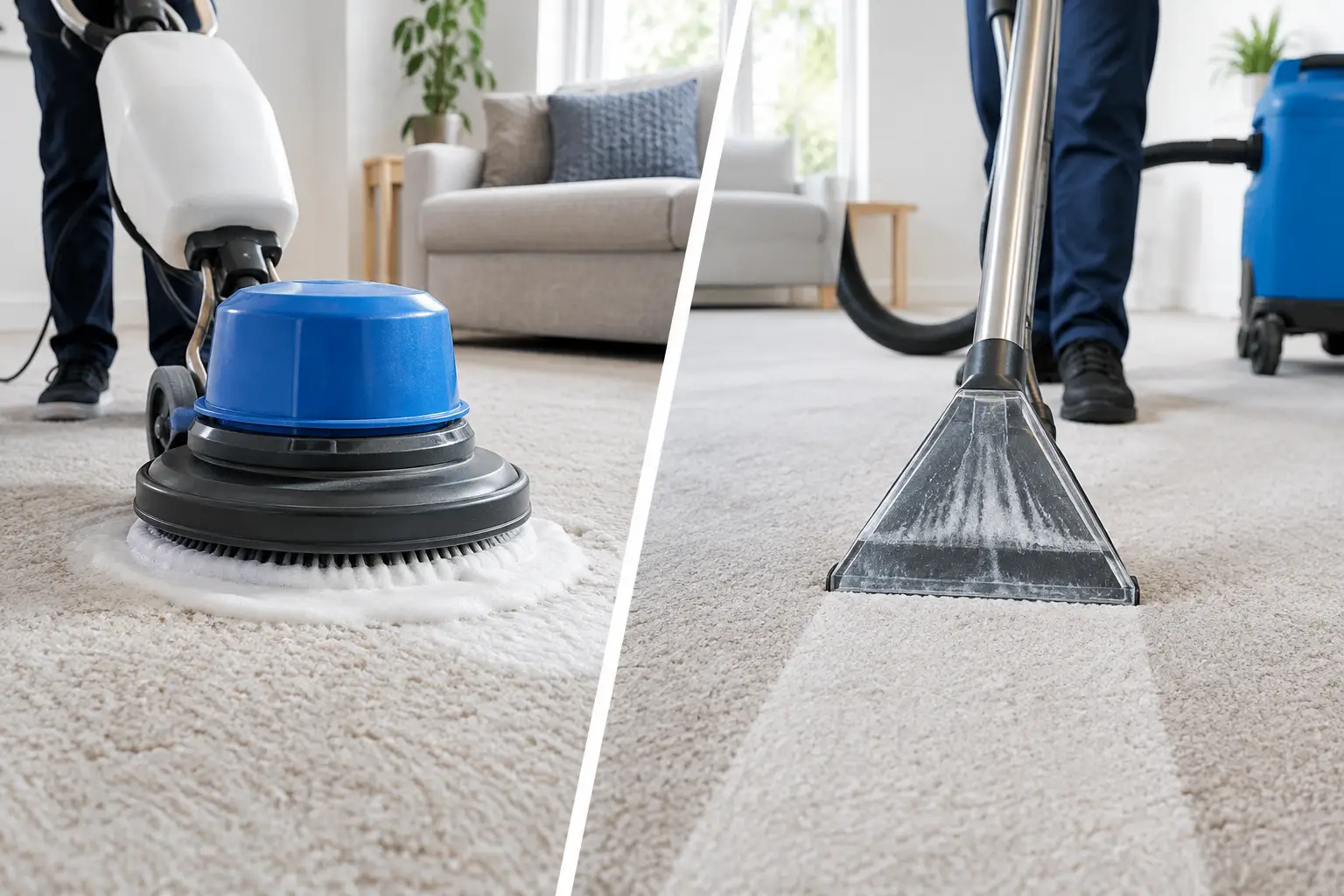
Carpet shampooing applies a cleaning solution to the carpet, agitates it to loosen soil, and then removes as much of the solution and dirt as the equipment allows. Older shampooing methods often produced a visible foam and relied heavily on brushing. Modern professional shampoos can be much more controlled, but the method still depends on choosing the proper chemistry and thoroughly removing residue.
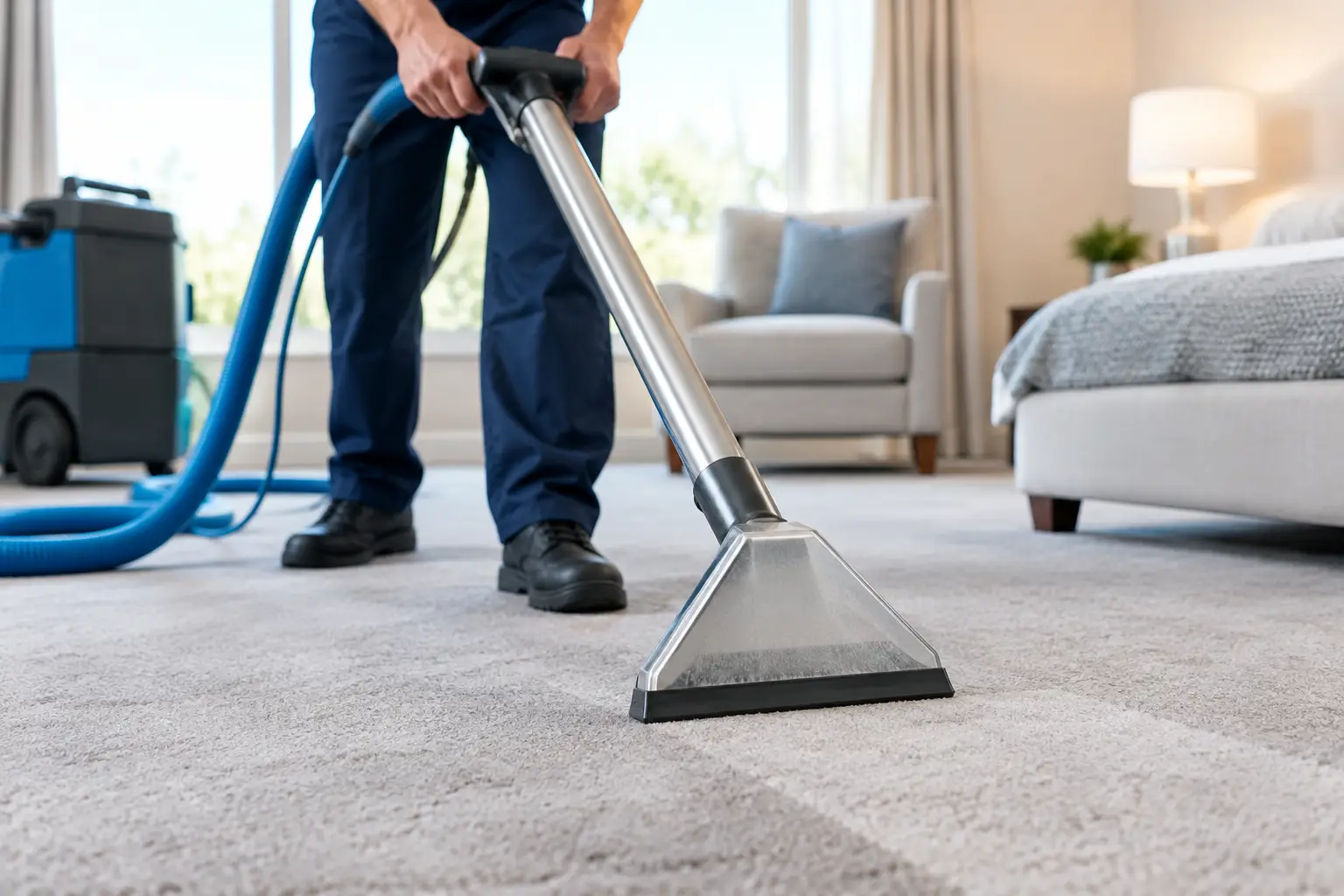
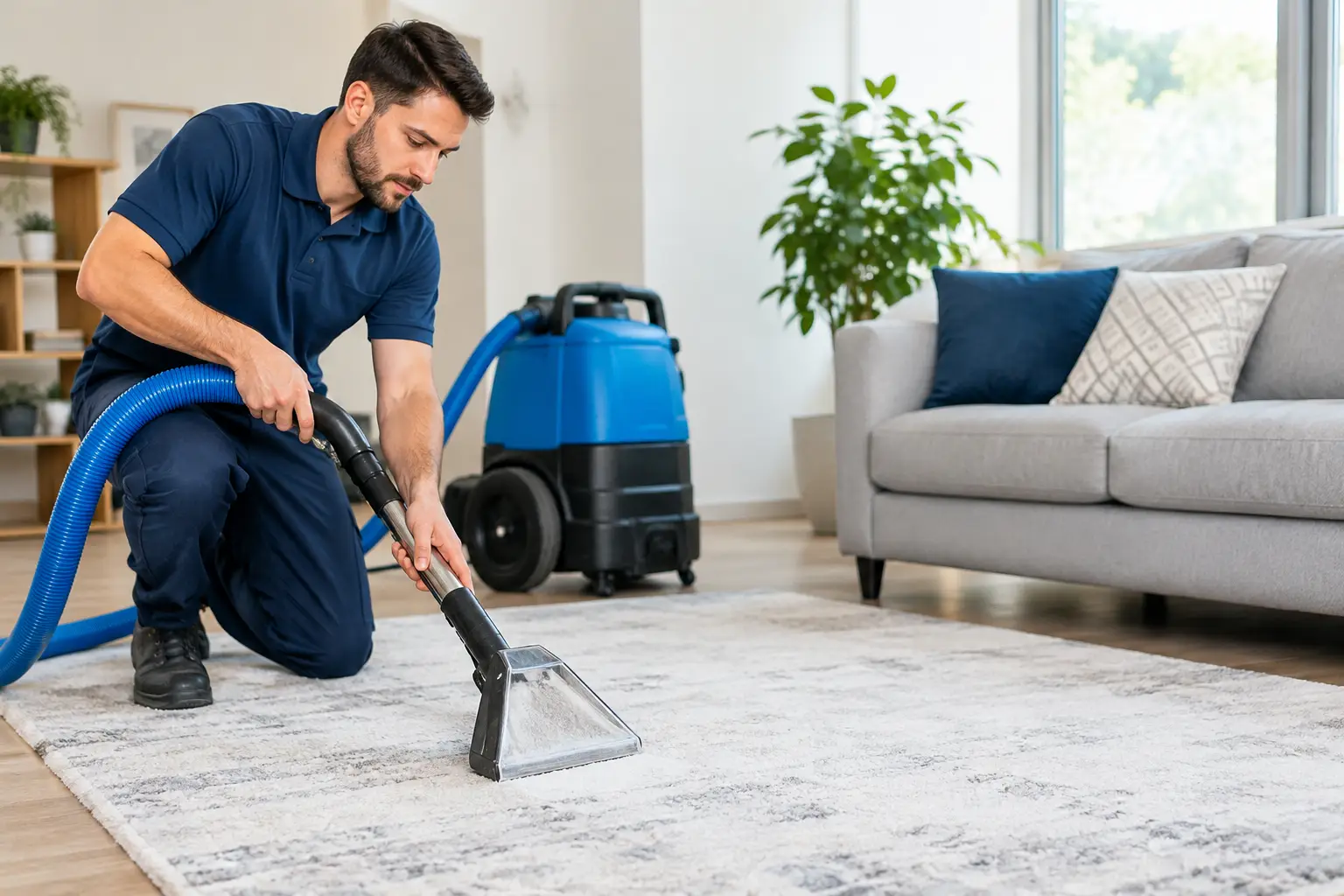
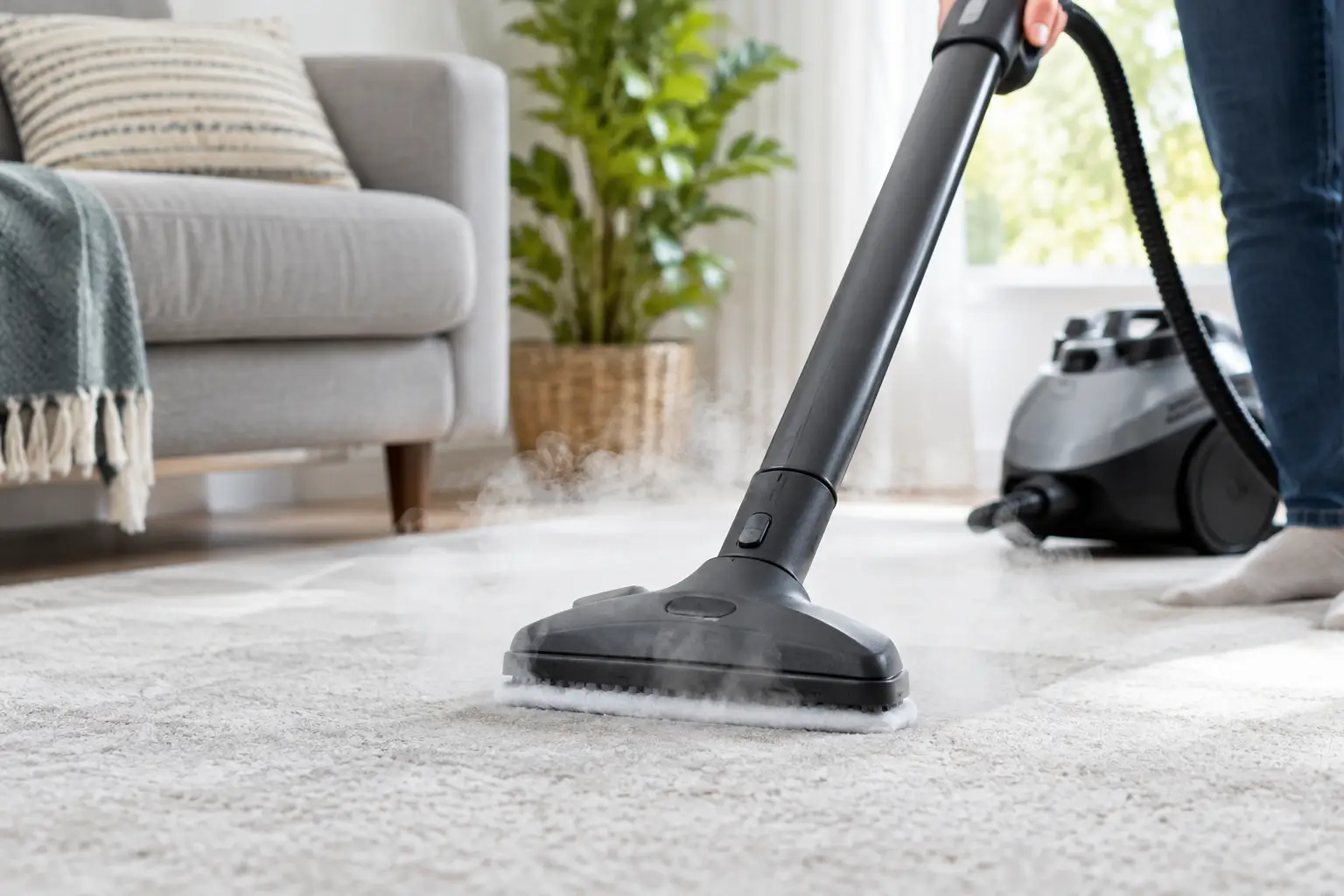
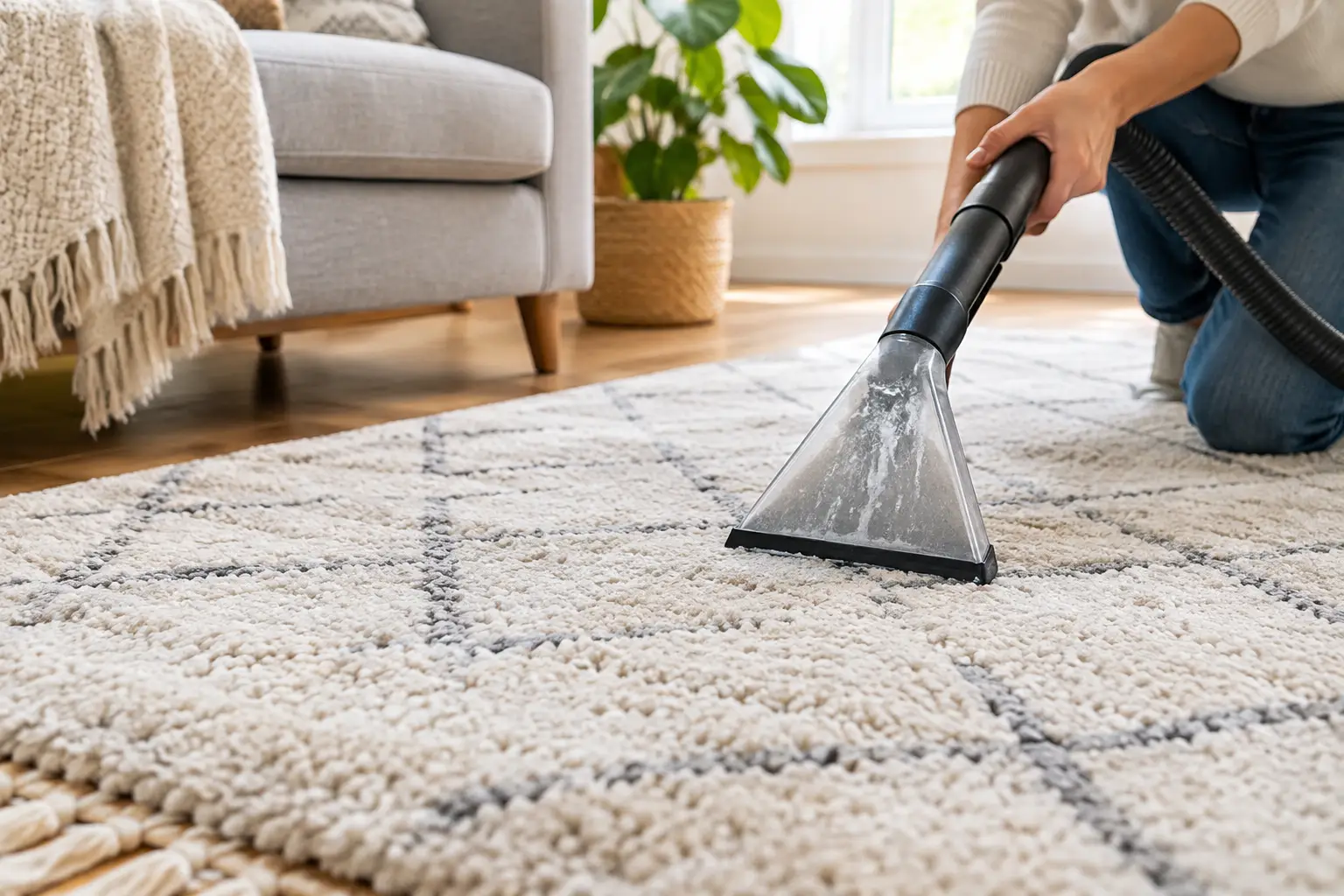
Extraction cleaning, often called hot water extraction or steam cleaning, uses a measured cleaning solution, water, agitation, and powerful vacuum recovery. The solution helps loosen soil from the carpet fibers. Then the machine extracts suspended dirt, moisture, and cleaning product into a recovery tank rather than leaving them in the carpet.
Despite the common nickname, professional hot water extraction does not necessarily mean the carpet is blasted with steam. A trained technician adjusts water temperature, pressure, cleaning products, and drying procedures to suit the material and condition of the carpet.
When Shampooing Can Make Sense
Shampooing is not automatically a poor choice. On some commercial carpeting, low-moisture maintenance systems and shampoo-based products can help refresh traffic lanes between deeper cleanings. These methods may be useful in offices, retail spaces, or other settings that need a quicker return to use.
The key is residue control. If shampoo remains in the carpet, it can attract new soil and make the surface look dirty again sooner than expected. That is why a low-cost cleaning that focuses only on fast appearance can become frustrating: the carpet may look better for a few days but lose that fresh result quickly.
Shampooing may also be considered when moisture must be kept especially low. Still, low moisture alone is not the goal. A carpet needs enough soil removal to justify the service. Light surface cleaning may be appropriate for maintenance, while deeply embedded grit, pet contamination, or heavy traffic usually calls for a more thorough process.
The Limits of Traditional Shampooing
Traditional shampooing can struggle when dirt has settled deep below the visible surface. Fine abrasive particles work their way down through the pile, where ordinary vacuuming and surface agitation may not reach them well. Those particles can wear carpet fibers over time, especially in hallways, stairs, entry areas, and workspaces with steady foot traffic.
Heavily soiled carpets also need more than a pleasant scent or a uniform appearance. They need the cleaning product, suspended soil, and excess moisture removed effectively. That is where professional extraction often has a clear advantage.
Why Extraction Is Often the Preferred Deep-Cleaning Method
Hot water extraction is designed to flush and recover soil rather than simply move it around the carpet. Before extraction begins, a technician can vacuum thoroughly, identify spots, apply targeted treatments, and precondition traffic lanes. Agitation helps release impacted soil, and high-powered recovery removes moisture and contaminants.
This process is especially useful for homes with children, pets, allergy concerns, or busy common areas. It can address more than the visible top layer of the carpet, provided the technician uses the correct products and does not over-wet the fibers.
Extraction is also adaptable. A lightly soiled bedroom does not need the same approach as a living room with pet accidents and years of traffic lanes. Professional cleaning should be based on what is actually in the carpet, not a one-setting process applied to every room.
Better Results Depend on Recovery and Drying
Water without strong recovery is not a complete cleaning process. Excess moisture can leave a carpet uncomfortable underfoot, extend drying time, and create concerns around odor or wick-back. Wick-back occurs when moisture draws remaining soil up from deeper in the carpet or backing as it dries, making a spot seem to return.
Professional equipment, proper technique, and airflow all matter. In many cases, carpets are dry enough for normal use within hours, though exact drying time depends on humidity, carpet thickness, ventilation, and how heavily the carpet was soiled. During damp Capital Region weather, opening airflow, using ceiling fans, and avoiding heavy foot traffic until dry can help protect the result.
Which Method Is Right for Your Carpet?
There is no responsible one-answer rule for every carpet. The right method depends on the material, construction, condition, and the problem you want solved.
Extraction is often the stronger choice when your carpet has visible traffic lanes, embedded dirt, food or drink spills, pet odors, or a long interval since its last professional cleaning. It is also a practical option when you want a more complete reset before hosting guests, moving into a home, listing a property, or restoring a professional appearance in a business.
A low-moisture shampoo or maintenance process may be appropriate for a lightly soiled commercial carpet that needs a quick refresh. It can also fit a maintenance plan where deeper extraction cleanings are scheduled at appropriate intervals.
Delicate materials require additional caution. Wool, specialty fibers, antique textiles, and fine Oriental rugs should never be treated as ordinary wall-to-wall carpet. Their dyes, foundation, construction, and prior cleaning history can affect which products and methods are safe. In many cases, off-site rug cleaning with proper inspection and controlled processing is the better choice.
Stains and Odors Need More Than a General Cleaning Method
A standard shampoo or extraction pass does not solve every stain by itself. Pet urine, red wine, coffee, grease, ink, and old mystery spots each respond differently. Some stains need pre-treatment, while odor problems may require treatment beneath the carpet surface if contamination has reached the backing or padding.
Pet odor is a good example. Covering the smell with fragrance does not remove the source. Effective treatment identifies the affected areas and uses the right odor-removal process before or alongside the cleaning method. The same principle applies to recurring spots. If a stain returns after cleaning, it may be wicking from below or reacting with residue left in the fibers.
Professional technicians should set clear expectations about what can improve, what may be permanent, and what additional restoration steps may be needed. That honesty matters more than promising that every old stain will disappear.
What Professional Service Should Include
Whether shampooing or extraction is selected, the quality of the service is determined by more than the machine. A careful cleaning appointment should include inspection, realistic spot assessment, appropriate pre-treatment, furniture protection where needed, and attention to drying conditions.
It should also include respect for your space. Homeowners and property managers should not have to choose between good results and considerate service. Uniformed, trained technicians who arrive prepared, communicate clearly, and protect surrounding surfaces make a meaningful difference.
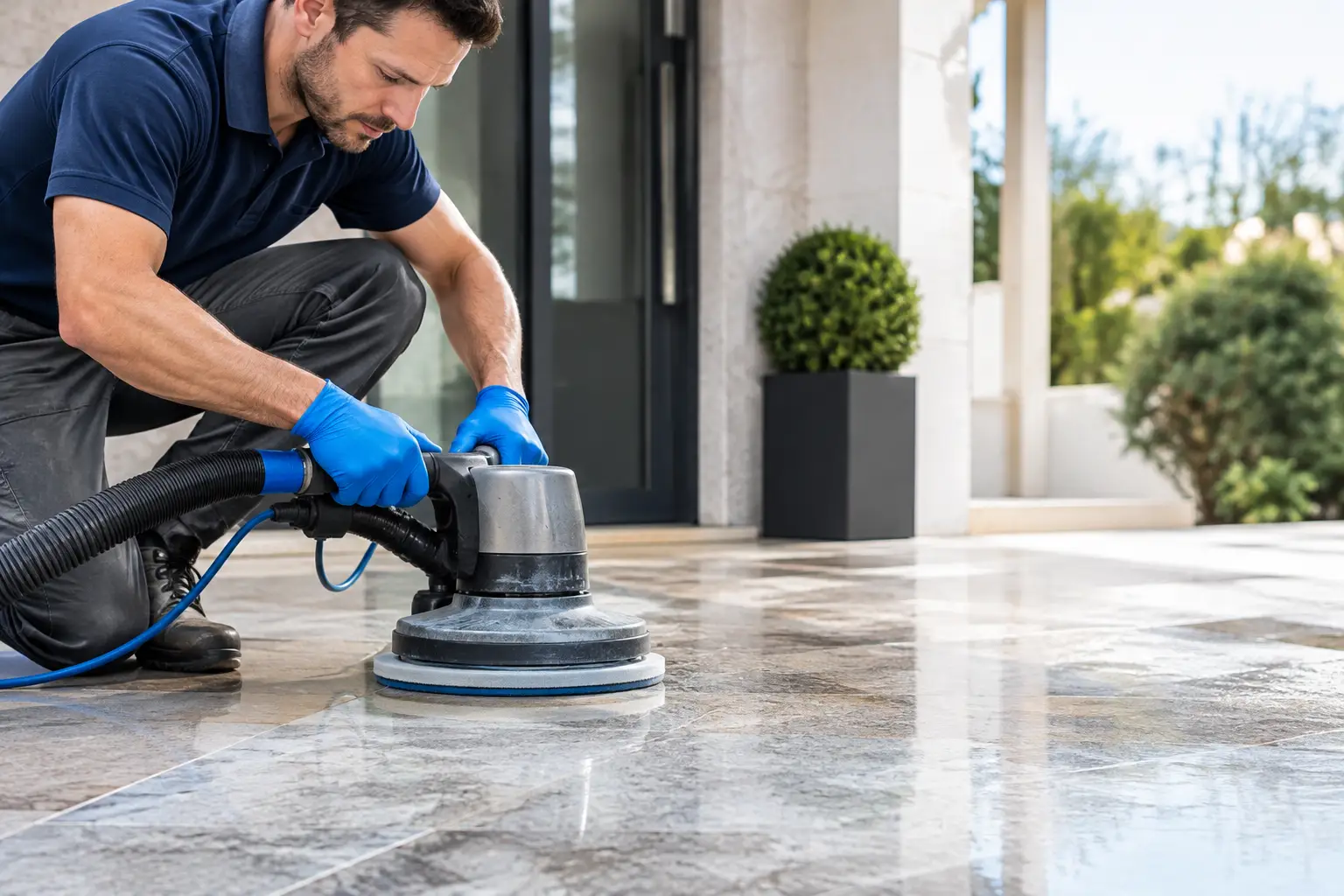
Hoffman Carpet Cleaning approaches each job with that standard in mind, from routine room cleaning to more involved pet odor, upholstery, rug, and hard-surface care. The goal is not to sell the cheapest process. It is to recommend the service that gives your home or business the most dependable result and stands up to everyday use.
Plan Cleaning Around How You Use the Space
A family room with a dog and two children may need professional attention more often than a rarely used guest room. An office entrance may need maintenance before the carpet looks noticeably dirty because grit and salt can wear fibers long before the space appears neglected.
If you are deciding between carpet shampooing versus extraction methods, start with the condition of the carpet rather than the advertised special. Ask what soil removal process will be used, how residues are controlled, what drying time to expect, and whether specific stains or odors need separate treatment.
A clean carpet should feel like more than a quick cosmetic improvement. It should make the room feel cared for, comfortable, and ready for the people who use it every day. When you are ready for clear recommendations and work backed by a satisfaction guarantee, request a free quote and choose the method that fits your carpet, not just the coupon.