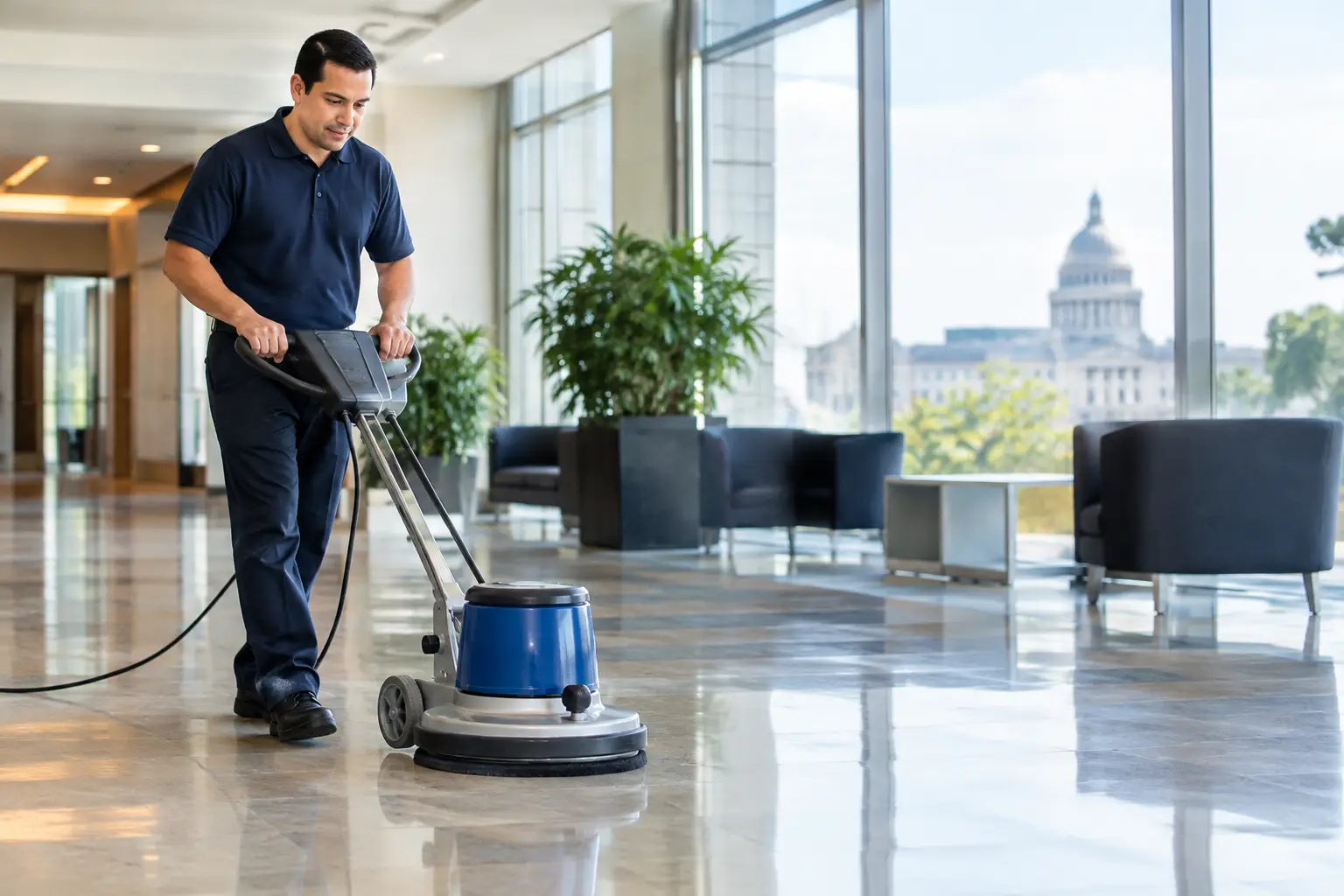
A lobby can look neglected long before the rest of a building does. Grit tracked in from a snowy Albany sidewalk, salt residue near an entryway, coffee spills in a waiting room, and dark traffic lanes in carpet all send a message to customers and employees. This business floor care guide helps facility managers, property managers, and business owners protect that first impression while extending the life of the flooring they have already invested in.
The right plan is not simply “clean more often.” Different floors need different methods, and aggressive cleaning can cause as many problems as neglect. A practical program combines daily attention, prompt spill response, appropriate periodic maintenance, and professional cleaning when soil has moved beyond the surface.
Start With the Floors Your Business Actually Has
Most commercial properties have a mix of flooring rather than a single surface. A medical office may have carpet in exam rooms, vinyl or tile in hallways, and upholstered seating in reception areas. A restaurant may have hard, grease-prone floors in the kitchen, tile in restrooms, and entry carpeting that handles constant foot traffic. Each area should be evaluated based on its use, not just its appearance.
Entryways and reception areas usually need the most attention. They collect outdoor soil, moisture, de-icing salt, and abrasive grit that scratches hard surfaces and works deep into carpet fibers. Hallways, break rooms, restrooms, and service counters follow close behind. Storage rooms and private offices may need less frequent service, but they should still be included in a documented maintenance schedule.
Before selecting products or setting a cleaning calendar, identify the floor material and its finish. Ceramic tile, luxury vinyl tile, natural stone, hardwood, laminate, carpet, and commercial vinyl all respond differently to moisture, pH, agitation, and cleaning chemicals. If you are unsure what was installed, check the manufacturer documentation or ask a qualified floor-care professional before using a new cleaner.
Business Floor Care Guide: Build a Routine That Works
The most effective floor-care programs are simple enough for staff to follow consistently. Daily maintenance controls surface soil before it becomes embedded, while periodic deep cleaning addresses the material that ordinary vacuuming and mopping cannot remove.
Focus on the first 15 feet inside every entrance
In the Capital Region, weather makes entryway maintenance especially important. Rain, snow, slush, road salt, sand, and leaves can be carried into a building within minutes. Use commercial-grade walk-off mats both outside and inside the entrance, and make sure they are long enough for visitors to take several steps before reaching the main flooring.
Vacuum or clean mats frequently. A saturated mat cannot trap more soil, so it becomes another source of dirt. During winter weather, inspect entries throughout the day and remove wet debris promptly to reduce slip hazards as well as staining and finish damage.
Vacuum carpet before it looks dirty
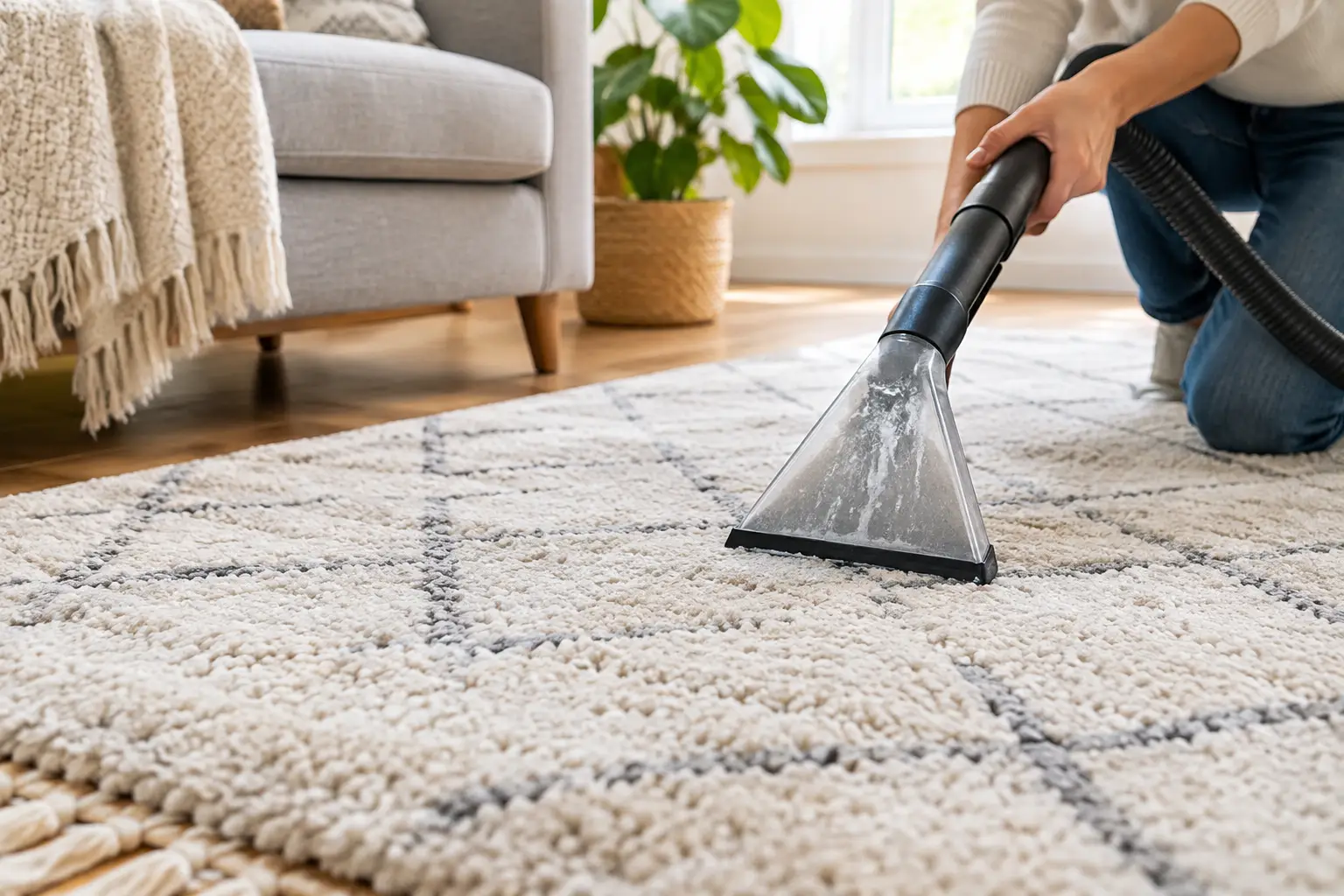
Carpet holds dry soil well, which is one reason it can appear acceptable even when substantial grit is sitting at the base of the fibers. That grit acts like sandpaper under foot traffic, dulling fibers and creating worn traffic lanes. High-traffic carpet should generally be vacuumed daily, while lower-traffic offices may require service several times a week.
Use a commercial vacuum with strong suction and a properly adjusted beater bar where appropriate. Move slowly enough for the vacuum to collect soil rather than simply pass over it. Pay special attention to entrances, hallways, reception desks, elevator areas, and paths between workstations.
Mop hard floors with clean tools and controlled moisture
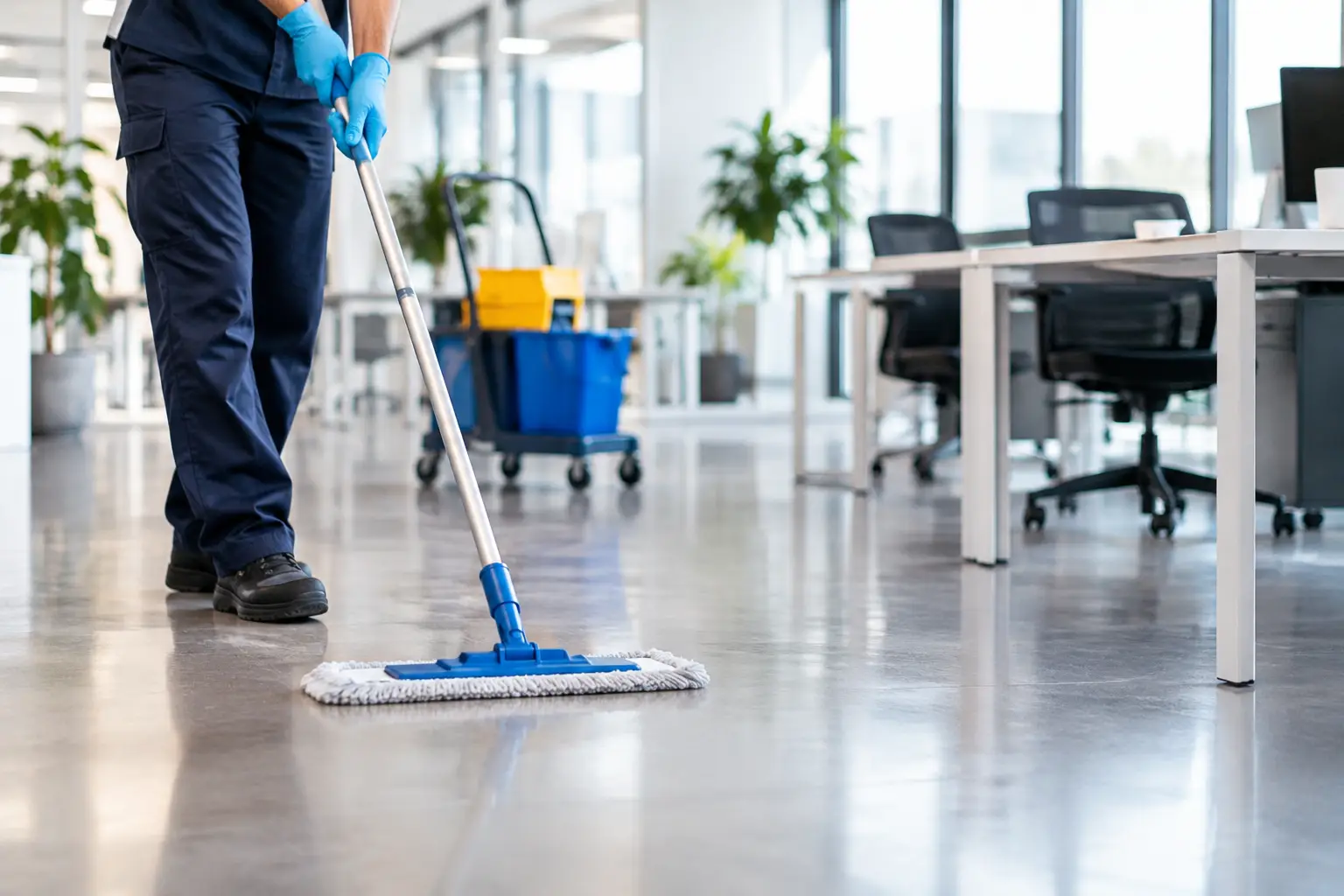
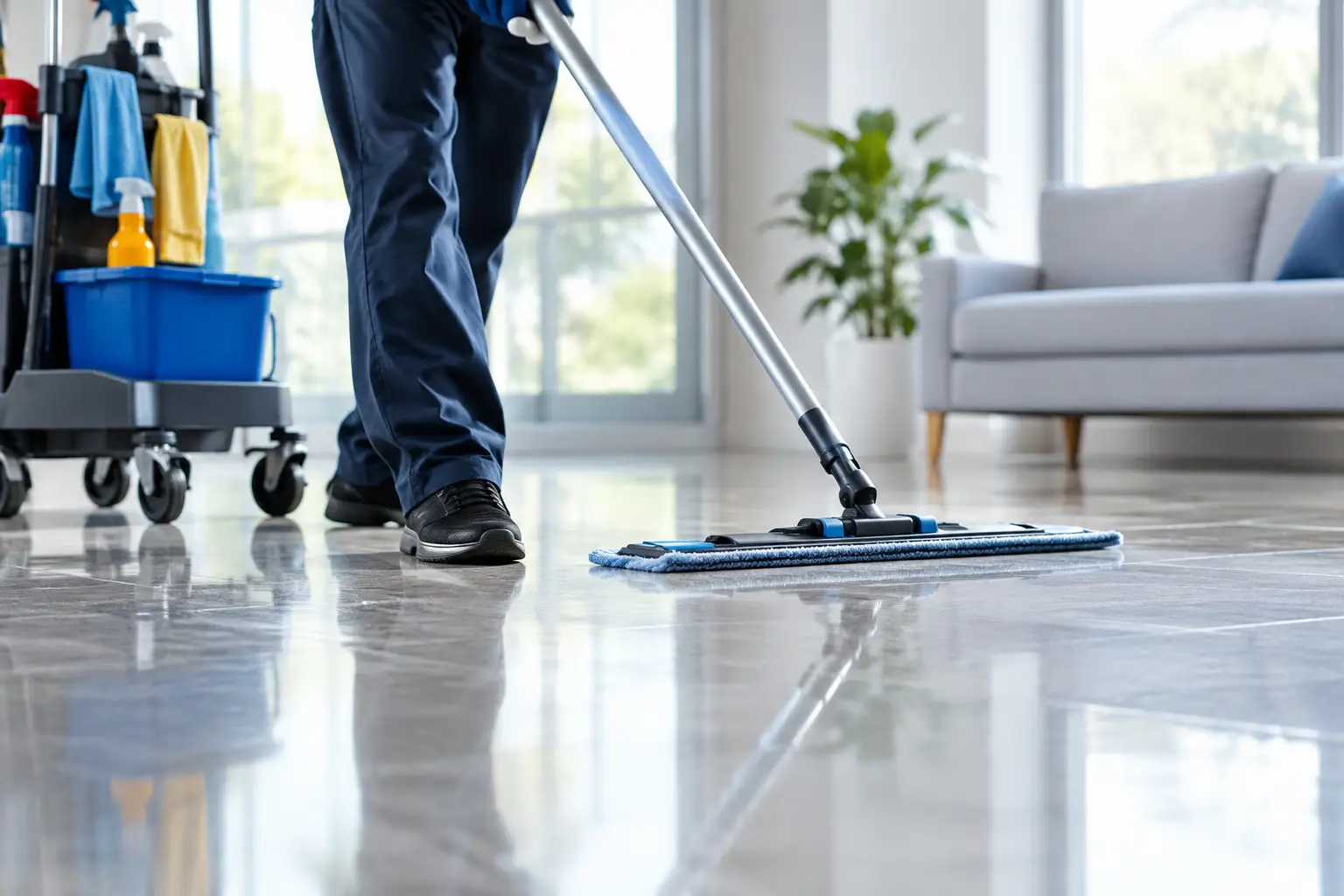
A mop bucket filled with dirty water can spread soil across tile or vinyl rather than remove it. Use a two-bucket system, microfiber flat mops, or equipment designed to separate clean solution from recovered soil. Change water and pads when they become visibly dirty.
Use only the amount of moisture the flooring can safely tolerate. Standing water can seep into seams, damage adhesives, leave streaks, or affect wood and laminate. Neutral cleaners are often appropriate for routine maintenance, but the correct product depends on the surface and finish. Avoid assuming that a stronger chemical will deliver a better result.
Respond to Spills Before They Become Stains
Every business should have a clear spill-response process. Employees do not need to be floor-care experts, but they should know who is responsible, where supplies are stored, and which products are safe to use.
Blot carpet spills instead of scrubbing them. Scrubbing can push the spill deeper and distort carpet fibers. For hard surfaces, remove the spill, rinse if needed, and dry the area so residue does not attract more dirt. Grease, ink, food coloring, pet accidents, coffee, and cleaning chemical residue can all require different treatment methods.
Be careful with improvised solutions. Bleach, harsh degreasers, abrasive powders, and heavily scented retail cleaners may discolor flooring, strip protective coatings, or leave a sticky film behind. A product that works on a kitchen counter is not automatically safe for commercial carpet, natural stone, or finished hardwood.
If a stain returns after cleaning, the contamination may be beneath the surface or within the backing or grout lines. Repeated spot treatment may not solve the underlying issue. This is when professional evaluation can prevent permanent damage or unnecessary replacement.
Schedule Professional Cleaning Before Appearance Declines
Waiting until floors look visibly dirty often means waiting too long. By that point, soil may already be causing wear, odors, discoloration, and reduced indoor appearance. Professional service should be based on traffic volume, the type of business, weather exposure, and the expectations of customers or tenants.
A busy retail space, restaurant, medical office, school, or multi-tenant property may need professional attention several times each year. A smaller office with limited public traffic may need less frequent deep cleaning. There is no single schedule that fits every property, but consistency matters more than reacting only when there is a complaint.
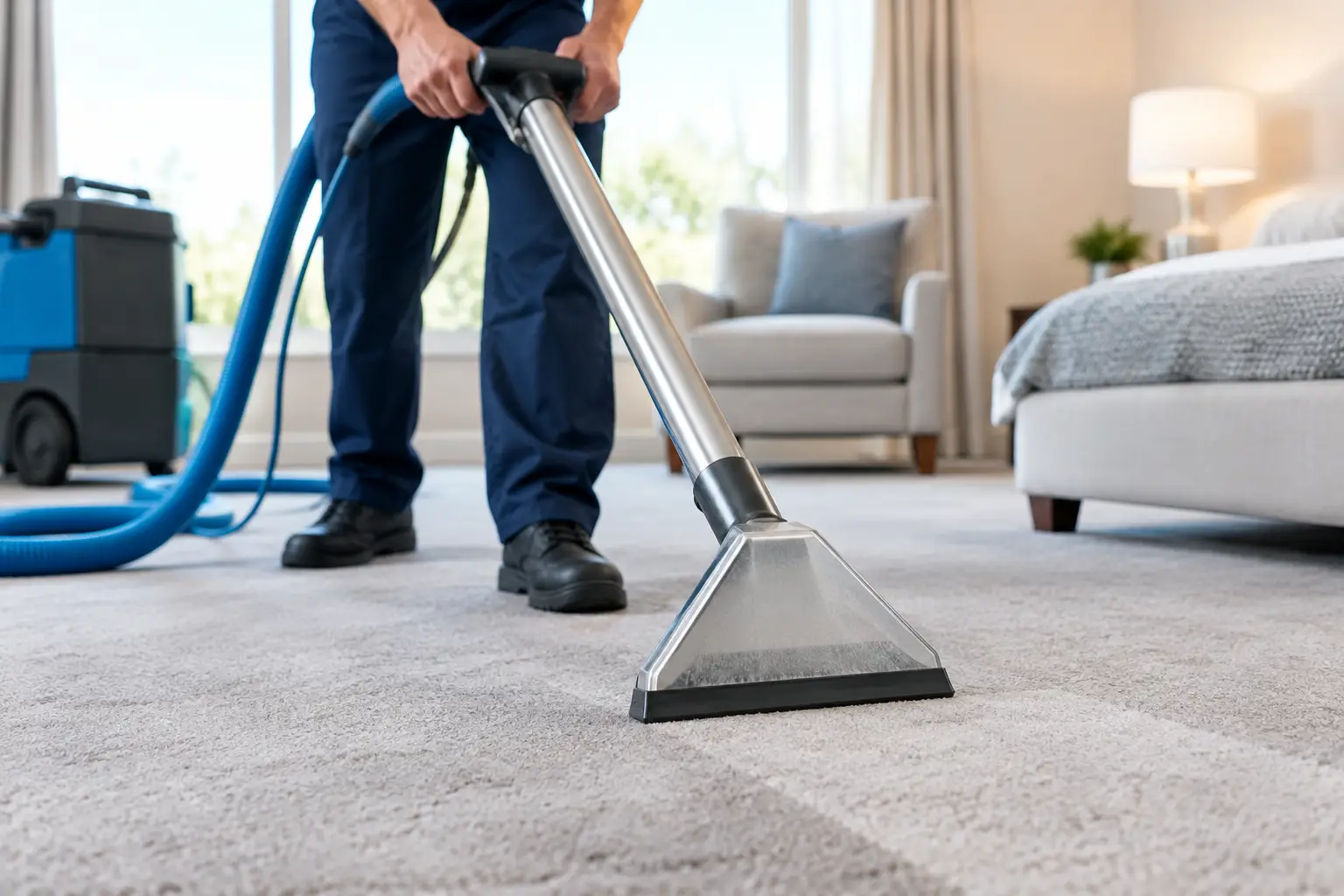
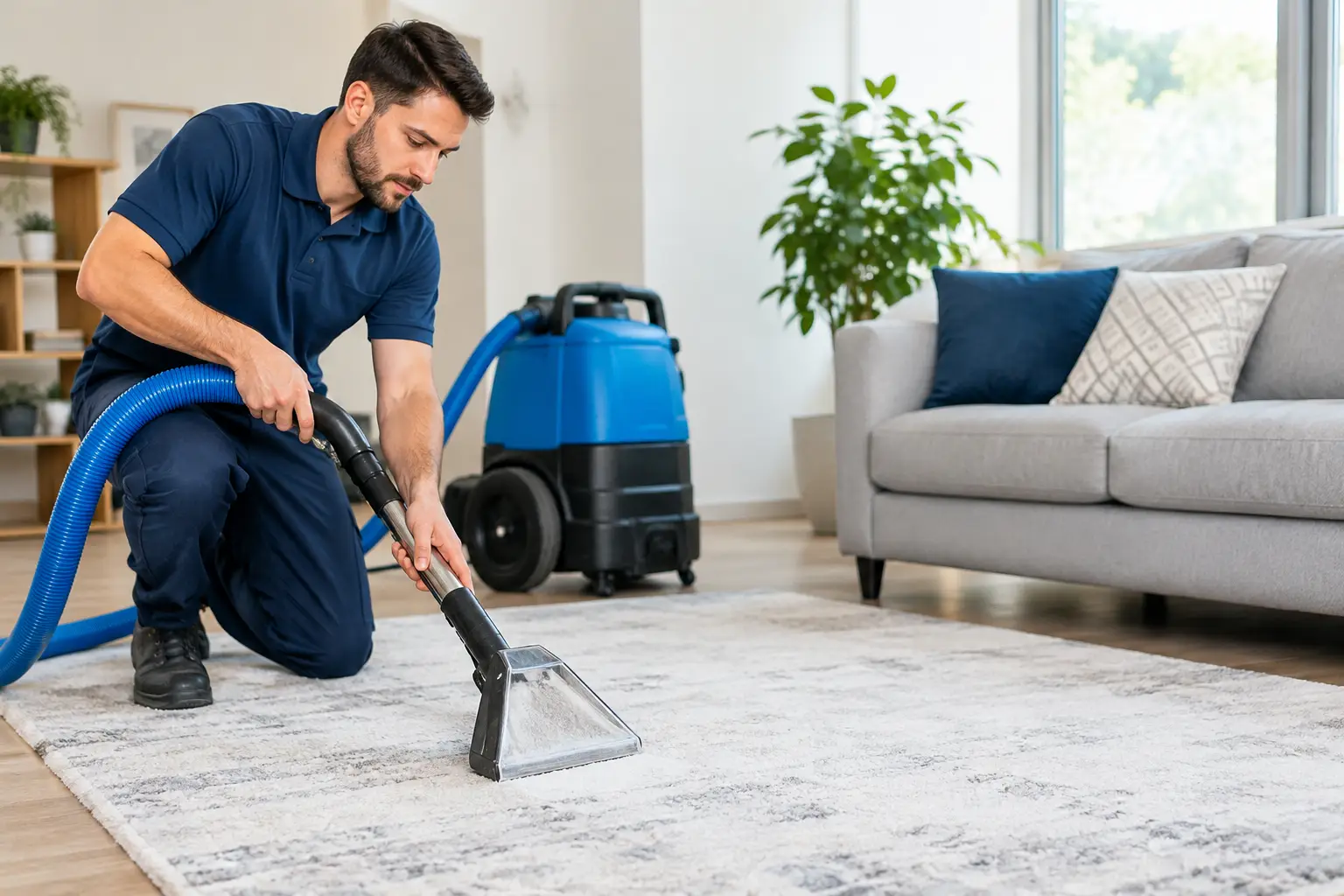
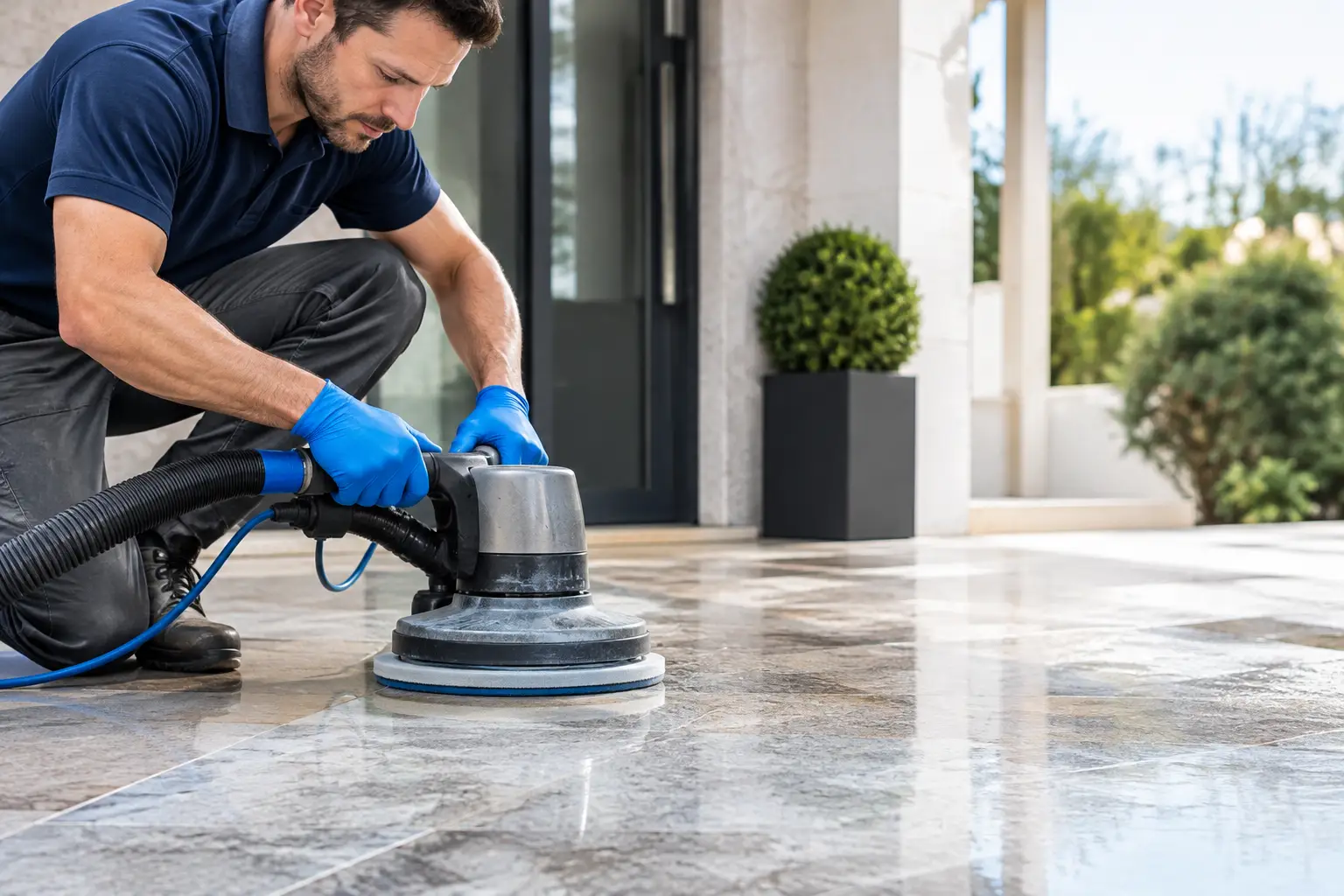
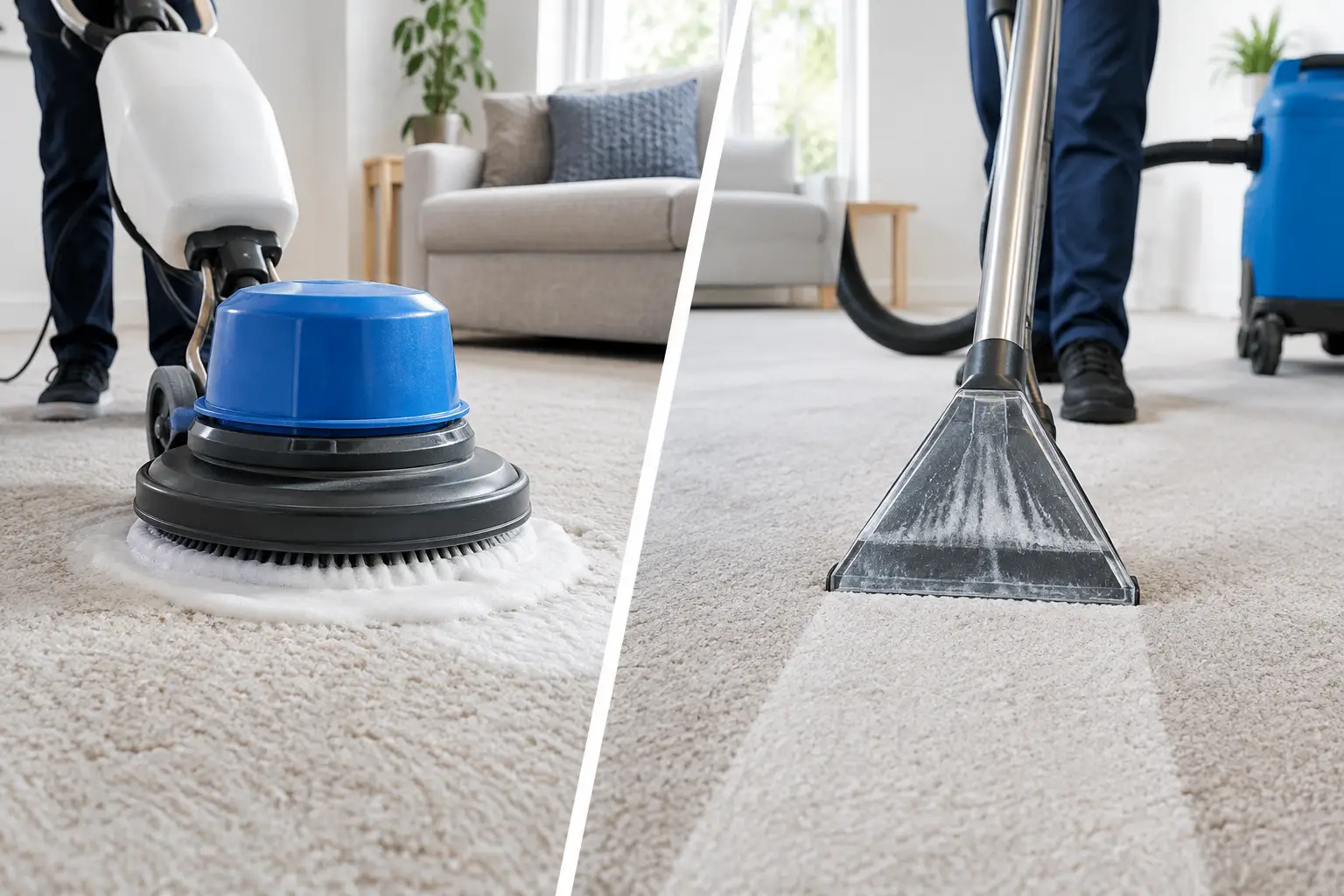
Professional carpet cleaning removes embedded soil that routine vacuuming leaves behind. It can also address spots, odors, and traffic lanes before they become a permanent part of the carpet’s appearance. For tile and grout, professional equipment and cleaning methods can lift buildup from porous grout lines and textured tile that mops cannot fully reach.
Hardwood, marble, and natural stone deserve extra caution. These materials can be damaged by excess water, improper pads, acidic products, or the wrong polishing method. The goal is to clean and protect the surface without dulling it, etching it, or weakening its finish.
Hoffman Carpet Cleaning provides commercial floor and surface-cleaning services with professional technicians, clear expectations, and work backed by a satisfaction guarantee. For property teams, a dependable local provider can be especially valuable when a spill, tenant turnover, or important customer visit requires timely attention.
Protect the Investment After Cleaning
Deep cleaning produces the best long-term value when it is followed by sensible protection. Place mats at all exterior doors, use chair mats where rolling office chairs create wear, and add protective pads beneath furniture legs. In food-service areas, address grease and moisture quickly before they build up in grout or create slippery conditions.
Consider protective treatments where they make practical sense. Carpet protector can make future spills easier to remove and reduce rapid resoiling in high-traffic areas. It is not a substitute for vacuuming or prompt spill care, but it can support a broader maintenance plan. For stone and grout, the appropriate sealer may help reduce absorption, though the right product and application schedule depend on the material.
Avoid moving heavy furniture by dragging it across floors. Use sliders or lifting assistance instead. Even durable commercial flooring can scratch, tear, or dent under concentrated weight. After any renovation, repair, or construction work, plan a thorough cleanup rather than relying on routine maintenance to handle dust and debris.
Watch for the Signs That a Floor Needs More Than Routine Care
A floor rarely fails without warning. Dark carpet paths, recurring odors, sticky tile, cloudy stone, rough grout, worn finish near entrances, or a floor that looks dirty again immediately after mopping are all signs the current process needs adjustment.
These problems may point to inadequate daily soil removal, incorrect products, insufficient matting, or a need for restorative professional service. They can also reveal a deeper issue, such as moisture intrusion, damaged flooring, or a finish that has reached the end of its useful life. Cleaning cannot repair every condition, but early attention can often prevent a small issue from becoming a replacement project.
Assign one person to inspect floors regularly and record concerns by area. This does not need to be complicated. A brief monthly walk-through can identify changes before customers, tenants, or employees do. It also helps you plan cleaning around business hours instead of making rushed decisions during an emergency.
A well-kept floor supports the work happening above it. When customers walk into a clean, dry, well-maintained space, they notice the care behind it. A thoughtful routine, paired with professional help at the right time, keeps that standard visible day after day.